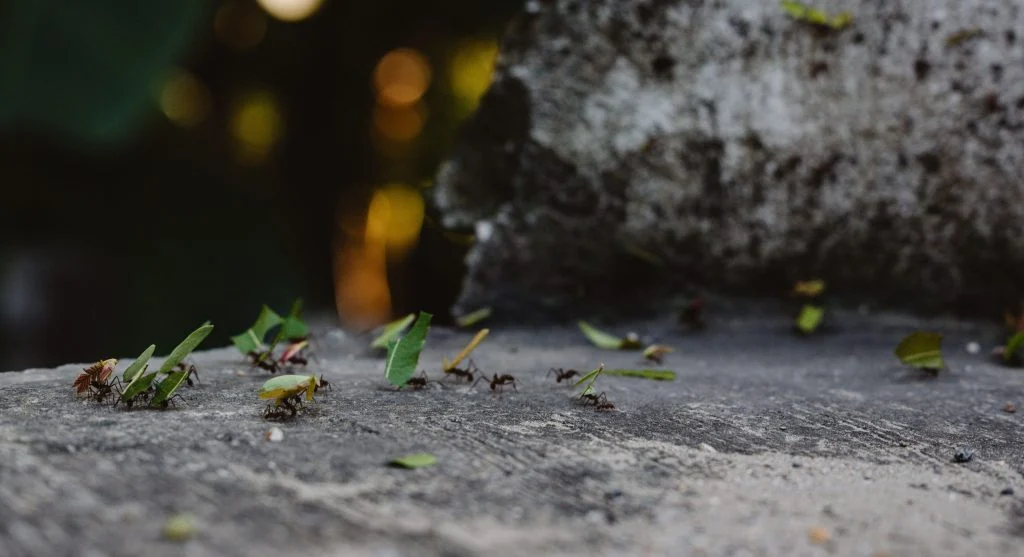
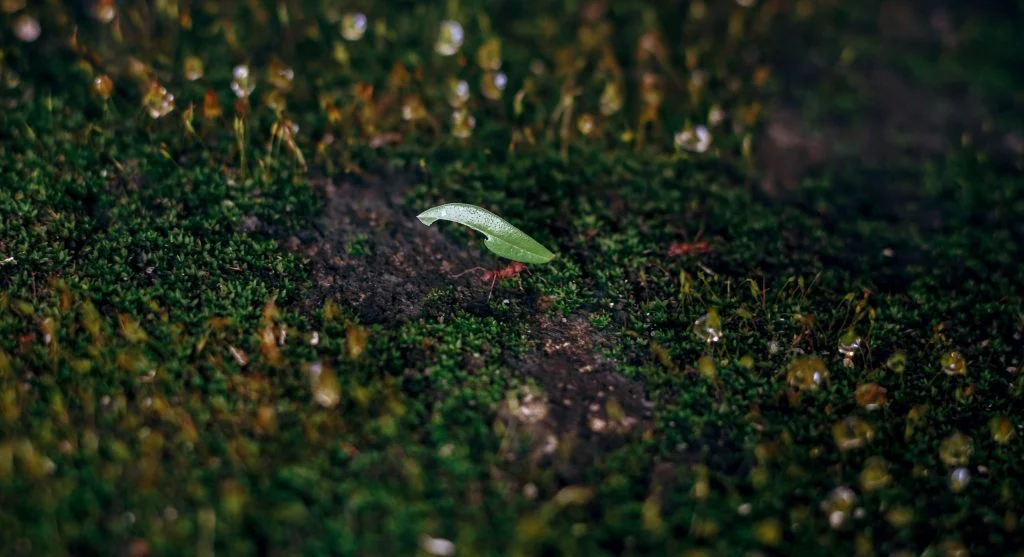
In tropical forests across Central and South America, thousands of tiny workers march through the undergrowth carrying pieces of fresh green leaves above their heads. To someone seeing this for the first time, it appears as though the ants are gathering food for immediate consumption. Surprisingly, that is not what happens.
Leafcutter ants rarely eat the leaves they collect. Instead, they transport every piece back to their underground nests, where the leaves become the foundation of one of nature’s most remarkable farming systems. Deep beneath the forest floor, millions of ants carefully cultivate specialized fungus gardens that serve as the colony’s primary food source.
Researchers studying why leafcutter ants grow fungus gardens explain that these insects have practiced agriculture for tens of millions of years—long before humans planted their first crops. Their complex farming system involves crop cultivation, pest control, waste management, and division of labor, making leafcutter ant colonies some of the most sophisticated societies found in the animal kingdom.
Leafcutter Ants Are Farmers, Not Leaf Eaters
The biggest misconception about leafcutter ants is that they eat the leaves they carry.
Researchers explain that fresh leaves are not easily digestible for these ants. Instead of consuming them directly, workers use the leaves as compost to feed a special type of fungus.
This fungus breaks down the plant material into nutrients that the ants can digest.
The colony therefore depends on the fungus rather than the leaves themselves.
This remarkable partnership has existed for millions of years.
A Colony Can Contain Millions of Workers
Leafcutter ant colonies are among the largest insect societies on Earth.
Some mature colonies contain several million individuals living in enormous underground tunnel systems.
Researchers explain that such large populations require highly organized cooperation.
Every ant performs specialized tasks that help the colony function efficiently.
Without teamwork, maintaining fungus gardens on such a massive scale would be impossible.
Workers Have Different Jobs
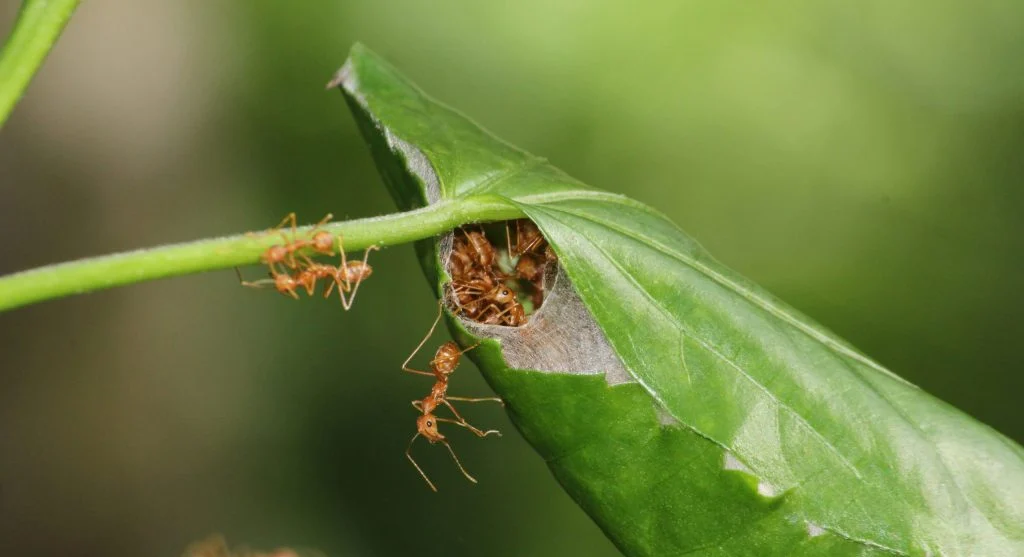
Not every ant performs the same duties.
Researchers explain that colonies contain specialized worker groups of different sizes.
Large workers defend trails from predators.
Medium-sized workers cut and transport leaves.
Smaller workers prepare the leaf material for fungus cultivation.
The smallest workers care for developing fungus and young larvae.
This division of labor greatly improves efficiency.
Leaves Are Carefully Processed
Once leaf fragments arrive underground, they are not simply piled together.
Workers chew the leaves into a soft pulp.
Researchers explain that this processed material creates the ideal growing surface for fungus.
The prepared leaf mixture is carefully added to existing fungus gardens.
Maintaining proper conditions is essential for healthy growth.
The entire process resembles compost preparation in human agriculture.
The Fungus Is the Colony’s Main Food
The cultivated fungus produces specialized nutrient-rich structures.
Researchers explain that these structures become the primary food source for worker ants and developing larvae.
Without the fungus, the colony would not survive.
The ants protect and maintain the fungus continuously.
Over countless generations, both ants and fungus have become completely dependent on each other.
Cleaning the Garden Prevents Disease
Like human farms, fungus gardens face threats from disease.
Researchers explain that harmful molds and bacteria can damage fungal crops.
Worker ants constantly inspect gardens for signs of contamination.
Any infected material is removed before problems spread.
This sanitation system helps maintain healthy fungus production.
Colony survival depends on effective disease management.
Scientists have made another fascinating discovery.
Researchers explain that some leafcutter ants carry beneficial bacteria on their bodies.
These bacteria produce natural substances that suppress harmful fungi.
In effect, the ants use naturally occurring biological protection for their crops.
This partnership demonstrates another layer of complexity within the colony.
Nature has developed remarkably effective systems over millions of years.
Underground Nests Are Engineering Marvels
Leafcutter ant nests can extend deep below the forest floor.
Researchers have documented colonies containing thousands of interconnected chambers.
Different rooms serve different purposes.
Some chambers house fungus gardens.
Others contain developing larvae or waste material.
Ventilation tunnels help regulate temperature and humidity throughout the nest.
This sophisticated design supports millions of insects living together.
Waste Is Carefully Managed
Successful farming requires good sanitation.
Researchers explain that leafcutter ants transport waste to dedicated disposal chambers located away from healthy fungus gardens.
Keeping waste separate reduces disease risks.
Specialized workers often handle refuse management throughout their lives.
This separation protects valuable food crops.
The organization resembles modern waste management systems.
Communication Keeps the Colony Organized
With millions of workers performing different jobs, communication is essential.
Researchers explain that ants primarily communicate using chemical signals called pheromones.
These invisible scent trails guide workers to food sources and help coordinate activities.
Touch and vibration also contribute to colony communication.
Efficient information sharing supports successful farming.
The colony functions almost like a single superorganism.
Rainforests Provide Ideal Conditions
Leafcutter ants thrive in tropical forests where vegetation grows abundantly.
Researchers explain that year-round plant growth provides a continuous supply of fresh leaves.
This reliable resource supports large colonies.
Healthy rainforest ecosystems therefore benefit both ants and countless other organisms.
Protecting forests helps preserve these remarkable insect societies.
Scientists Continue Studying Ant Agriculture
Leafcutter ants remain one of the most studied insects in the world.
Researchers investigate their farming techniques, communication systems, disease control, and colony organization.
Some discoveries have even inspired research in agriculture, robotics, and biology.
The more scientists learn, the more sophisticated these tiny farmers appear.
Their underground societies continue providing valuable insights into cooperation and ecosystem function.
Frequently Asked Questions
Q: Why don’t leafcutter ants eat the leaves they collect?
A: They use the leaves to grow fungus, which becomes the colony’s primary food source.
Q: How large can a leafcutter ant colony become?
A: Some mature colonies contain several million worker ants.
Q: What do leafcutter ants feed their larvae?
A: Larvae are primarily fed the cultivated fungus grown inside the colony.
Q: Do leafcutter ants protect their fungus gardens?
A: Yes. Workers constantly clean, maintain, and defend the fungus from harmful microorganisms.
Q: Where are leafcutter ants found?
A: They mainly inhabit tropical forests in Central and South America.
Key Takeaway
Leafcutter ants do not collect leaves to eat directly. Instead, they use the leaves to cultivate underground fungus gardens that feed millions of colony members. Their remarkable farming system includes crop cultivation, sanitation, pest management, specialized workers, and sophisticated communication, making these insects some of the earliest and most successful farmers in Earth’s history.