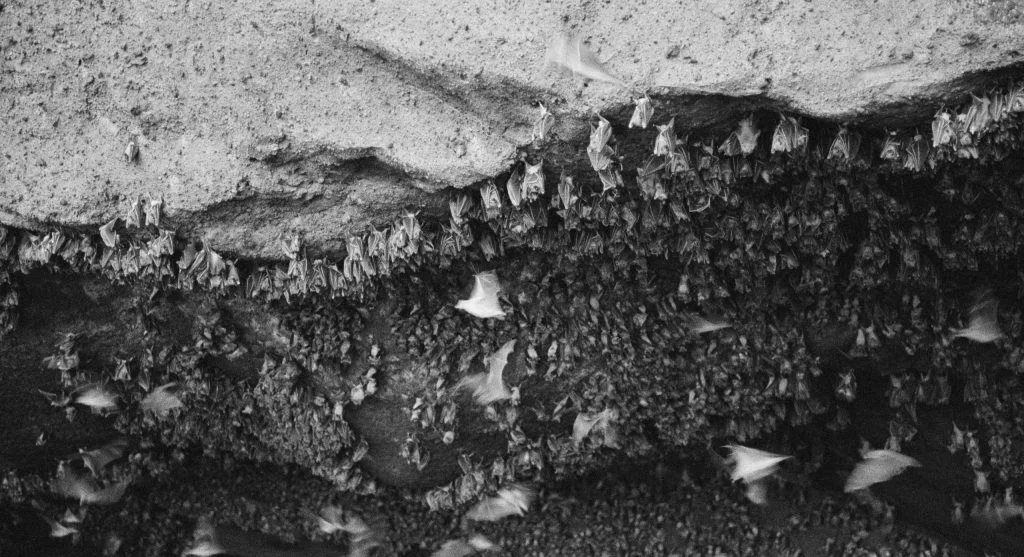
Bats are among the most misunderstood animals found in forests, caves, deserts, wetlands, and tropical ecosystems around the world. Movies, stories, and popular myths have created many incorrect ideas about bat behavior and wildlife ecology.
Researchers studying bat myths explain that bats play important ecological roles involving pollination, insect control, and biodiversity support. Understanding real bat behavior facts helps improve awareness about wildlife conservation and ecosystem balance.
Myth 1: All Bats Drink Blood
One of the most common bat myths claims that all bats feed on blood. Wildlife experts explain that only a very small number of bat species feed this way.
Most bats eat insects, fruit, nectar, fish, or other natural food sources.
Different species possess very different feeding adaptations.
Myth 2: Bats Are Blind
Wildlife researchers explain that bats can see, although many species also rely heavily on echolocation.
Echolocation involves producing sound waves and interpreting returning echoes to navigate environments.
Nighttime wildlife adaptations often combine multiple sensory abilities.
Myth 3: Bats Commonly Attack Humans
Bats generally avoid human contact whenever possible. Wildlife experts explain that bats usually focus on feeding, roosting, and navigating natural habitats.
Most bat species are small and non-aggressive toward people.
Wildlife observation should always avoid disturbing animals in natural environments.
Myth 4: Bats Are Only Important at Night
Bats contribute significantly to ecosystem biodiversity and pollination in many regions.
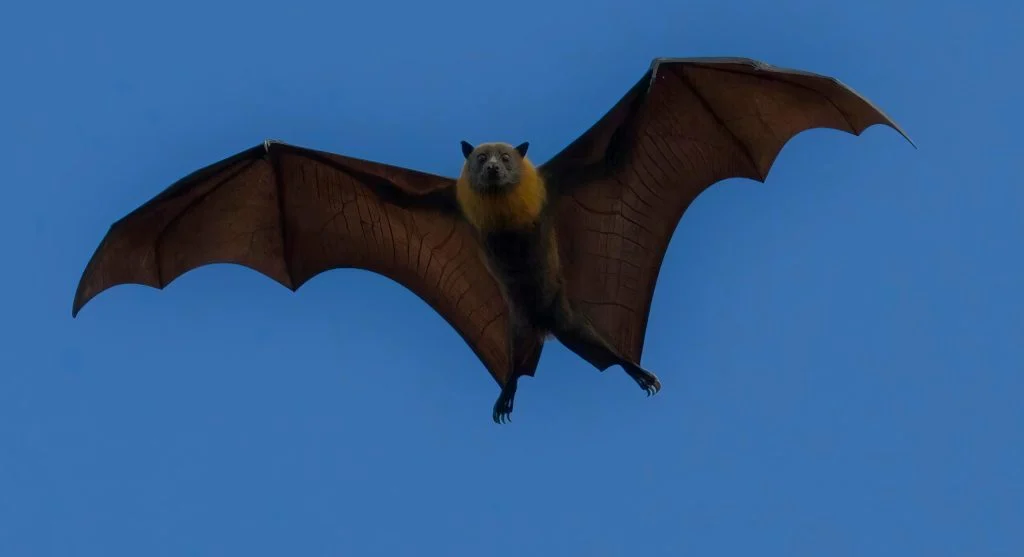
Researchers explain that some bat species help pollinate flowers and disperse seeds within tropical ecosystems.
Other species help control insect populations naturally.
Myth 5: Bats Only Live in Caves
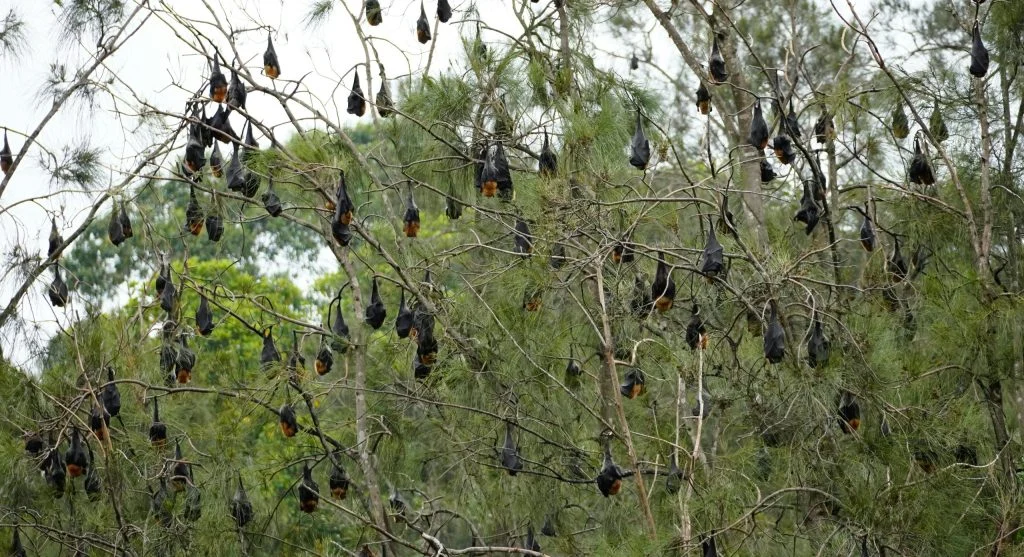
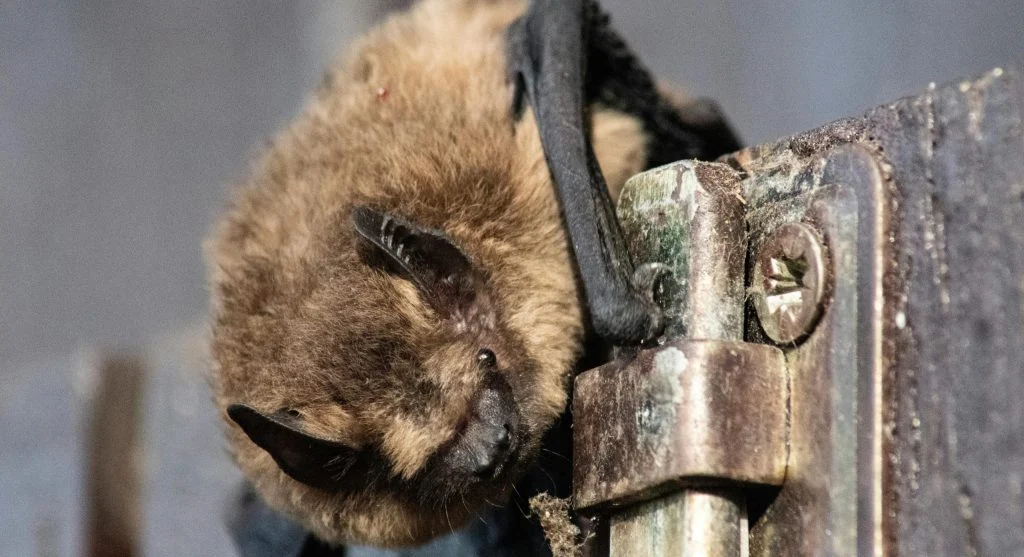
Although many bats roost in caves, others live in forests, trees, deserts, rock crevices, and wetlands.
Wildlife specialists explain that habitat choice depends on species and environmental conditions.
Biodiversity often includes highly adaptable wildlife species.
Myth 6: Bat Populations Never Face Environmental Pressure
Habitat loss, pollution, and environmental changes may affect bat populations and ecosystem stability.
Researchers studying bat myths continue monitoring biodiversity and wildlife habitats worldwide.
Conservation organizations emphasize the importance of protecting roosting habitats and supporting healthy ecosystems for pollinators and insect-eating wildlife.
Frequently Asked Questions
Q: Do all bats drink blood?
A: No. Most bat species feed on insects, fruit, nectar, or fish.
Q: Are bats blind?
A: No. Bats can see and many species also use echolocation.
Q: Why are bats important for ecosystems?
A: Bats help with pollination, seed dispersal, and insect control.
Q: Where do bats live?
A: Bats may live in caves, forests, wetlands, deserts, and trees.
Q: What threatens bat populations?
A: Habitat loss, pollution, and environmental changes may affect bats.
Key Takeaway
Understanding the truth behind common bat myths helps improve awareness about the important ecological roles bats play within natural ecosystems. Pollination, insect control, seed dispersal, and biodiversity support all contribute to healthier environments worldwide. Wildlife researchers and conservation organizations continue emphasizing the importance of protecting bat habitats and maintaining balanced ecosystems for long-term wildlife conservation.