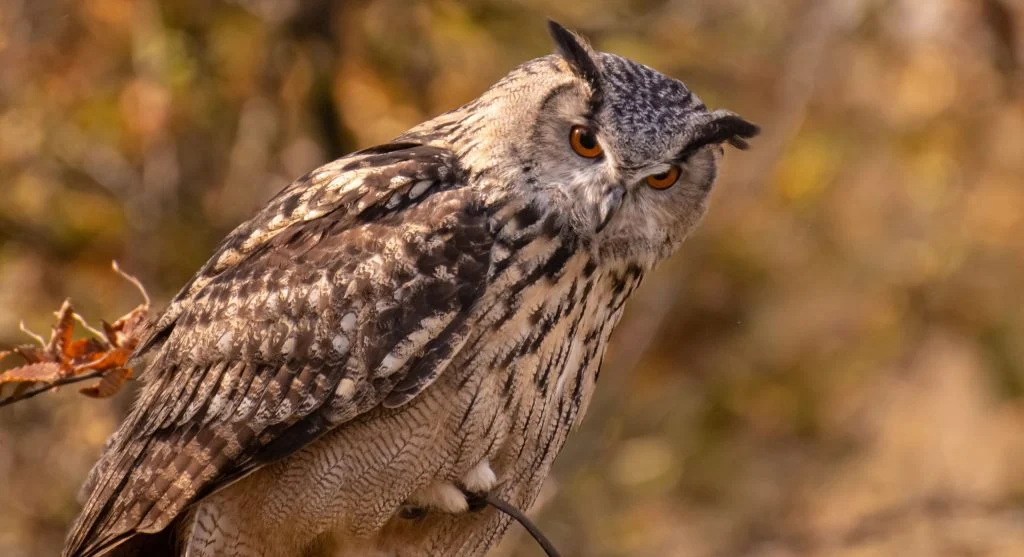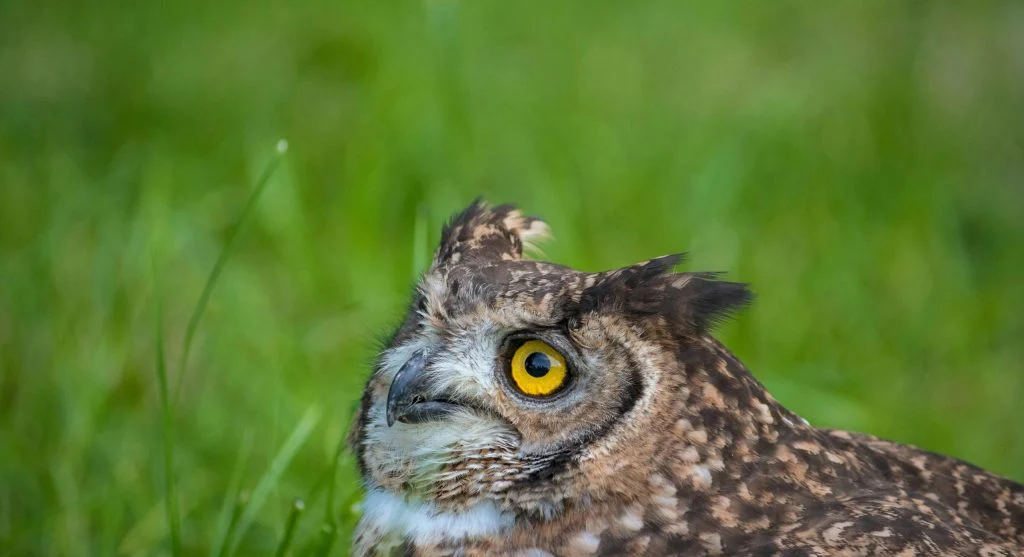
Owls are among the most mysterious birds found in forests, deserts, mountains, grasslands, and wetlands around the world. Their silent flight, nighttime activity, and glowing eyes have inspired stories and myths across many cultures for centuries.
Researchers studying owl myths explain that many popular beliefs about owls are inaccurate or misunderstood. Understanding real owl behavior facts helps improve awareness about bird adaptation, biodiversity, and nighttime wildlife ecosystems.
Myth 1: Owls Can Rotate Their Heads Completely Around
One of the most common owl myths claims that owls can spin their heads in a full circle.
Wildlife experts explain that owls can rotate their heads much farther than humans, but not completely around.
Flexible neck structure helps improve vision while hunting and observing surroundings.
Myth 2: Owls Only Hunt at Night
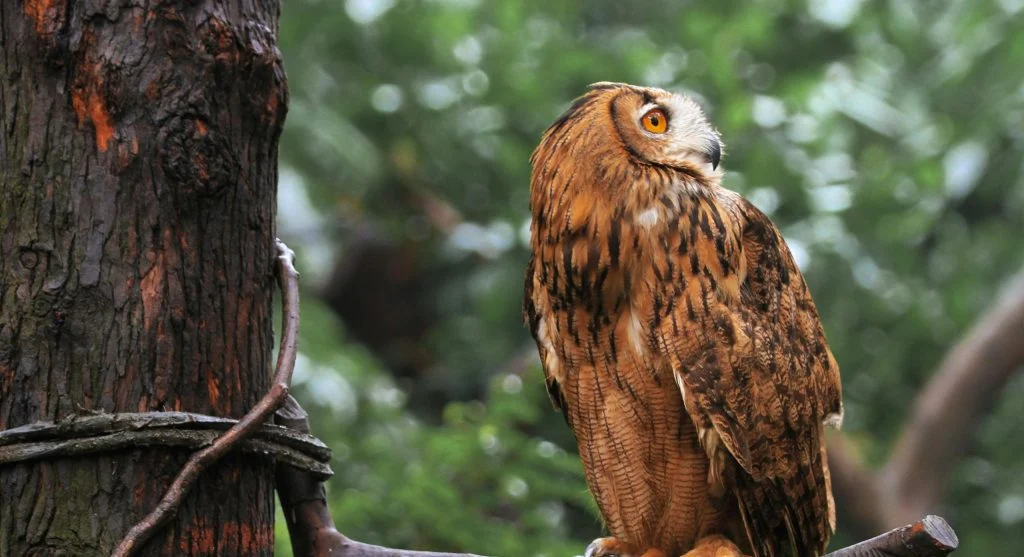
Although many owl species are nocturnal, some are active during daylight or twilight hours.
Researchers studying owl behavior facts explain that activity patterns vary depending on species and habitat conditions.
Wildlife behavior often changes according to food availability and environmental pressure.
Myth 3: Owls Are Silent Because They Make No Sound
Owls can produce hoots, screeches, whistles, and other vocal sounds for communication.
Wildlife experts explain that the phrase “silent owl” usually refers to flight rather than vocal behavior.
Specialized feather structure helps reduce noise during flight movement.
Myth 4: Owls Have Excellent Eyesight but Poor Hearing
Researchers explain that owls possess both strong vision and highly sensitive hearing.
Some owl species can locate prey using sound even in darkness or dense vegetation.
Forest bird adaptations often involve multiple sensory advantages.
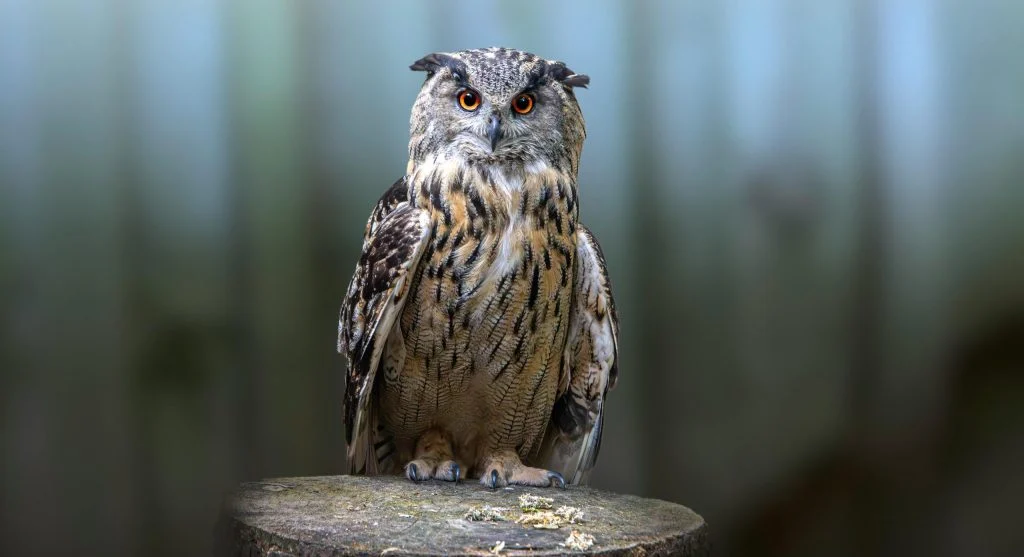
Myth 5: All Owls Live in Forests
Different owl species inhabit many ecosystems including deserts, grasslands, mountains, wetlands, and Arctic regions.
Wildlife specialists explain that habitat choice depends on prey availability and environmental conditions.
Biodiversity includes highly adaptable bird species.
Myth 6: Owls Are Aggressive Toward Humans
Most owls avoid people whenever possible and focus mainly on hunting or nesting activities.
Researchers explain that defensive behavior usually occurs only when nests or young birds feel threatened.
Wildlife observation should always respect natural animal space.
Myth 7: Owl Populations Never Face Environmental Pressure
Habitat loss, pollution, and ecosystem disruption may affect owl populations and biodiversity.
Researchers studying owl myths continue monitoring forest ecosystems and wildlife habitats worldwide.
Conservation organizations emphasize the importance of protecting nesting habitats and maintaining healthy ecosystems for bird populations.
Frequently Asked Questions
Q: Can owls rotate their heads completely around?
A: No. Owls can rotate their heads widely, but not fully around.
Q: Are all owls nocturnal?
A: No. Some owl species are active during daylight or twilight hours.
Q: Why are owl flights so quiet?
A: Specialized feathers help reduce sound during flight.
Q: Do owls have strong hearing?
A: Yes. Owls possess highly sensitive hearing used for hunting.
Q: What threatens owl habitats?
A: Habitat loss and environmental changes may affect owl populations.
Key Takeaway
Understanding the truth behind common owl myths helps improve awareness about wildlife adaptation and biodiversity within nighttime ecosystems. Strong hearing, silent flight, flexible vision, and specialized hunting behavior all contribute to owl survival across diverse habitats. Researchers and conservation organizations continue emphasizing the importance of protecting bird habitats and maintaining healthy ecosystems for wildlife populations worldwide.