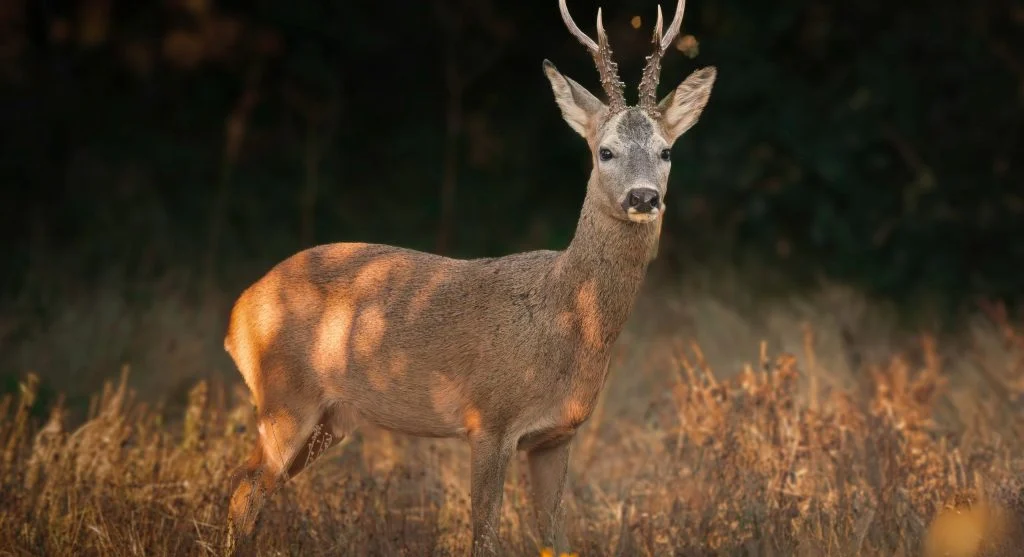
Deer are among the most recognizable mammals living in forests, grasslands, wetlands, and mountain ecosystems around the world. Wildlife observers often notice deer appearing most frequently during sunrise and sunset rather than the middle of the day.
Researchers studying why deer are active at dawn and dusk explain that this timing helps reduce heat exposure, improve feeding opportunities, and lower predator risk. This activity pattern is known as crepuscular behavior and is common among many wildlife species.
Cooler Temperatures Improve Movement Conditions
One major reason why deer are active at dawn and dusk involves temperature. Wildlife experts explain that early morning and evening hours are often cooler than midday conditions.
Lower temperatures may help conserve energy during feeding and travel.
Forest animal survival often depends on avoiding environmental stress.
Low Light May Help Deer Avoid Predators
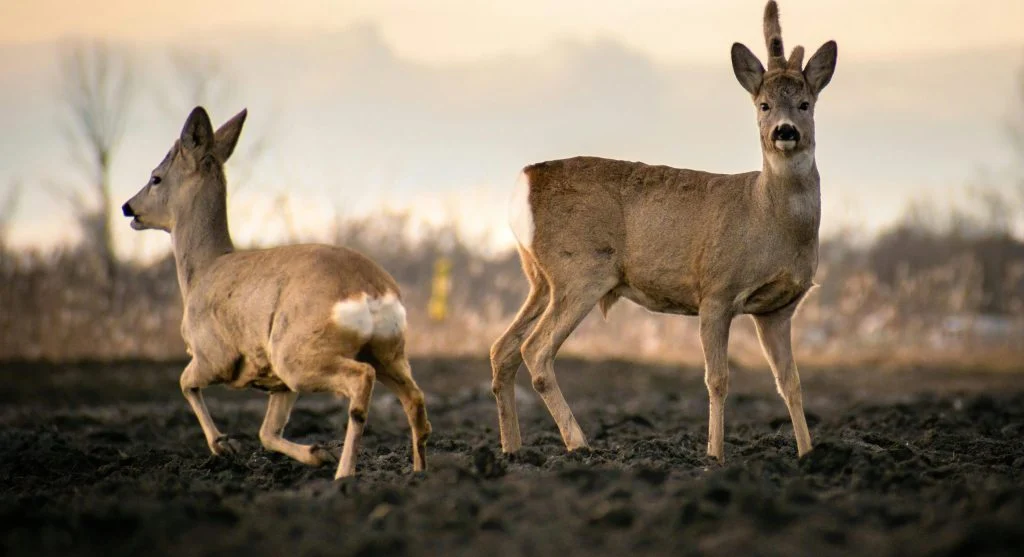
Wildlife researchers explain that dawn and dusk provide lower visibility compared with bright daytime conditions.
This lighting may help deer remain less noticeable while feeding or traveling.
Survival behavior often develops around predator awareness and environmental safety.
Deer Possess Strong Low-Light Vision
Deer eyes are adapted for detecting movement during dim lighting conditions.
Wildlife experts explain that specialized eye structure helps improve visibility during sunrise, sunset, and nighttime hours.
Visual adaptation remains important for many prey species.
Feeding Activity Often Peaks During Twilight Hours
Grass, shrubs, leaves, and other vegetation become major feeding targets during active movement periods.
Researchers studying deer behavior facts explain that feeding often increases during cooler parts of the day.
Food availability strongly influences wildlife movement patterns.
Seasonal Changes Can Affect Deer Activity
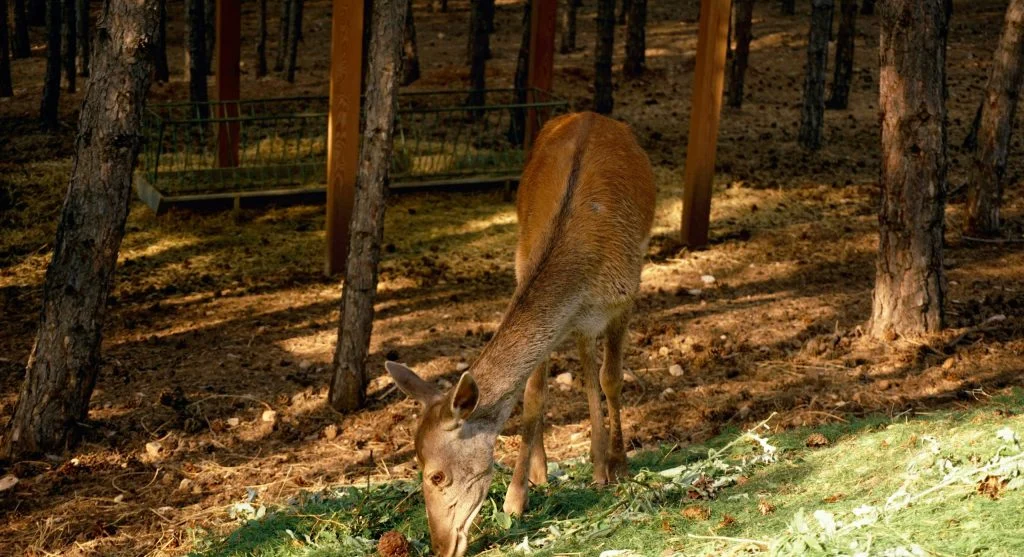
Environmental conditions such as temperature, snowfall, rainfall, and breeding seasons may influence movement behavior.
Wildlife specialists explain that deer activity patterns sometimes shift throughout the year.
Seasonal adaptation helps wildlife respond to changing habitats.
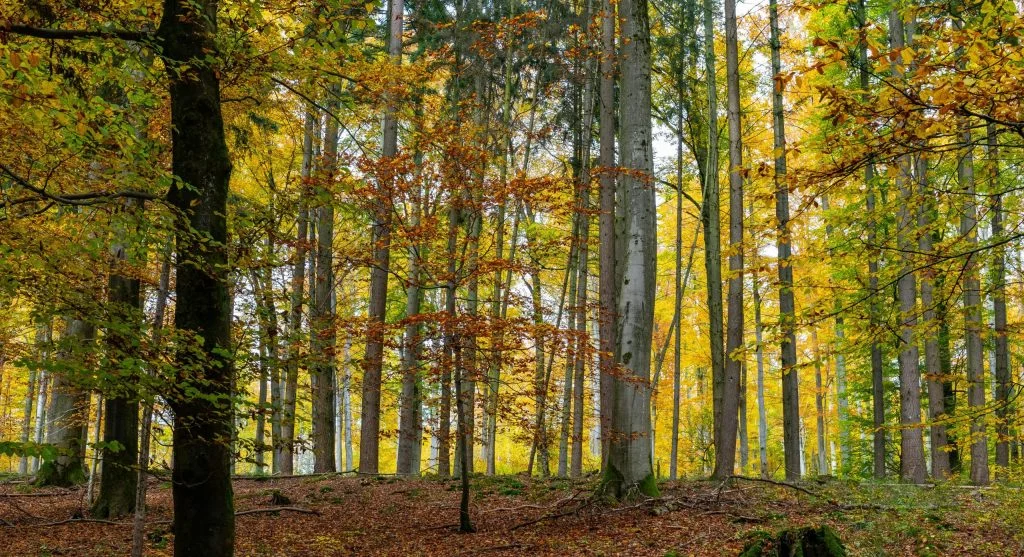
Forests and Grasslands Provide Important Habitat
Healthy ecosystems provide shelter, feeding areas, and movement corridors for deer populations.
Wildlife experts explain that forests, meadows, wetlands, and edge habitats often support diverse wildlife communities.
Habitat quality remains important for biodiversity.
Conservation Programs Monitor Wildlife Populations
Researchers studying why deer are active at dawn and dusk continue monitoring population trends, habitat conditions, and ecosystem biodiversity.
Conservation organizations support habitat management and wildlife research programs across many regions.
Healthy ecosystems help maintain balanced wildlife populations and biodiversity.
Frequently Asked Questions
Q: Why are deer most active at dawn and dusk?
A: Cooler temperatures and lower visibility may improve feeding and survival conditions.
Q: What does crepuscular behavior mean?
A: Crepuscular animals are most active during sunrise and sunset periods.
Q: Can deer see well in low light?
A: Yes. Deer possess strong low-light vision adaptations.
Q: What do deer eat?
A: Deer commonly feed on grasses, shrubs, leaves, and vegetation.
Q: Why are healthy habitats important for deer?
A: Forests and grasslands provide shelter, food, and movement areas.
Key Takeaway
Understanding why deer are active at dawn and dusk highlights the important relationship between wildlife behavior and environmental survival strategies. Cooler temperatures, predator awareness, low-light vision, and feeding opportunities all contribute to crepuscular activity patterns in deer populations. Wildlife researchers and conservation organizations continue emphasizing the importance of protecting healthy habitats that support biodiversity and long-term ecosystem balance.