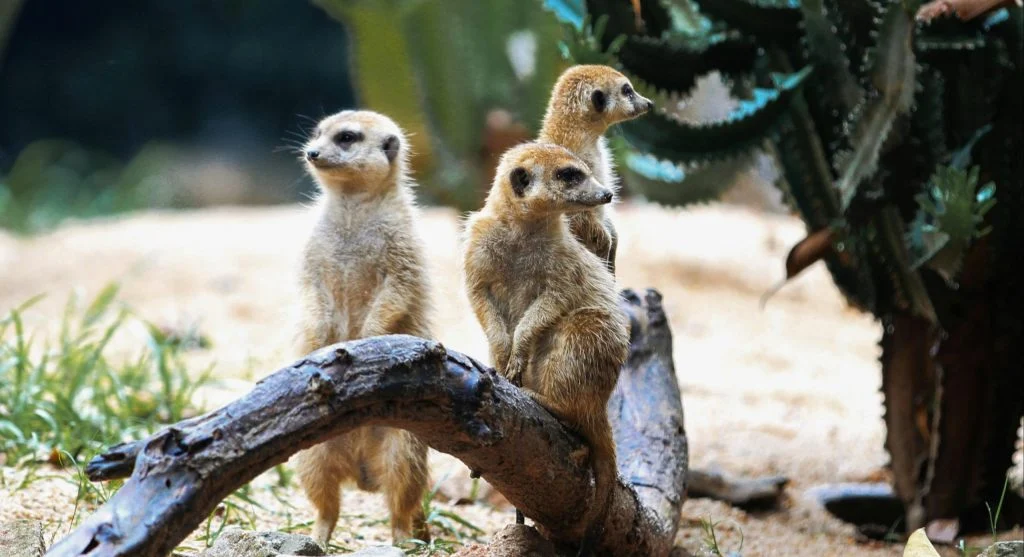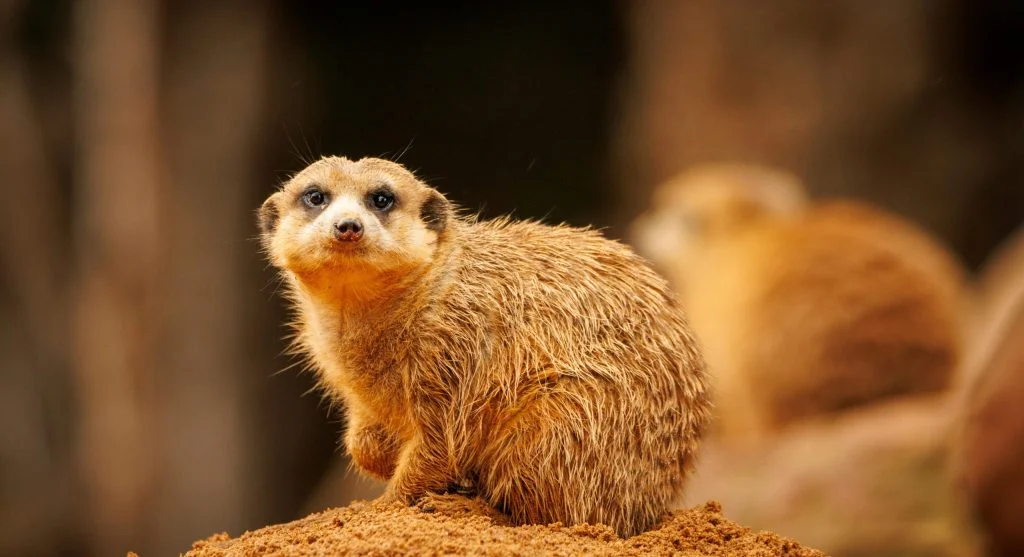
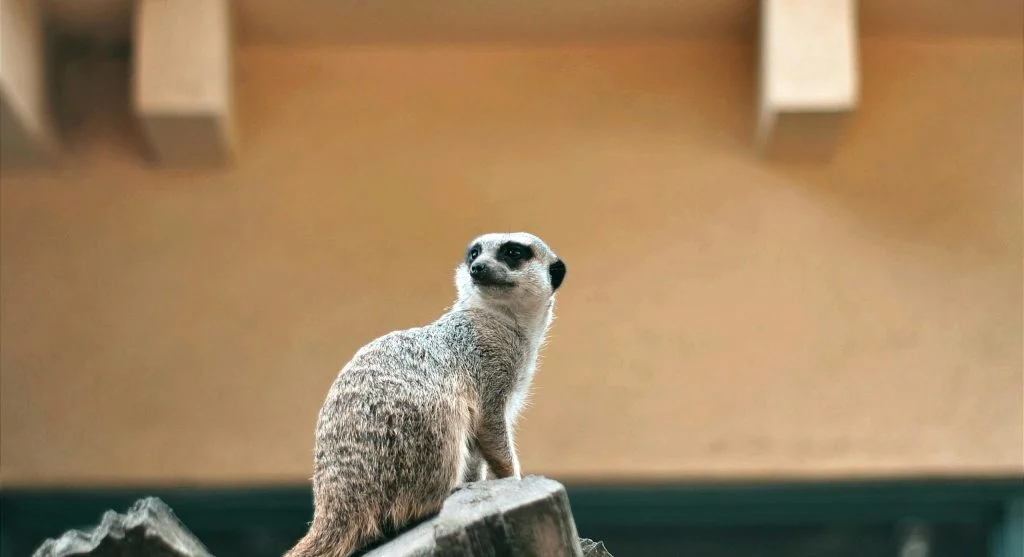
Meerkats are small social mammals living in dry grasslands and desert regions of southern Africa. These animals are widely recognized for their upright posture and group living behavior, especially when one individual appears to watch the surroundings while others search for food.
Researchers studying why meerkats stand guard explain that lookout behavior helps groups detect danger quickly and improve survival chances in open environments. Teamwork remains one of the most important survival strategies within meerkat communities.
Guard Duty Helps Spot Predators Early
One major reason why meerkats stand guard involves predator detection. Wildlife experts explain that birds of prey, snakes, and larger mammals may threaten small desert animals.
Standing upright improves visibility across open landscapes.
Early warning signals help groups react more quickly to danger.
Meerkats Use Vocal Calls to Warn the Group
Wildlife researchers explain that meerkats communicate using different sounds and warning calls.
Specific alarm sounds may signal aerial threats or ground predators.
Communication remains essential for social animal survival.
Group Living Improves Survival Opportunities
Meerkats usually live in organized social groups sometimes called mobs or clans.
Wildlife experts explain that group cooperation may improve feeding efficiency and predator awareness.
Social behavior often provides advantages in harsh environments.
Guard Positions Rotate Between Individuals
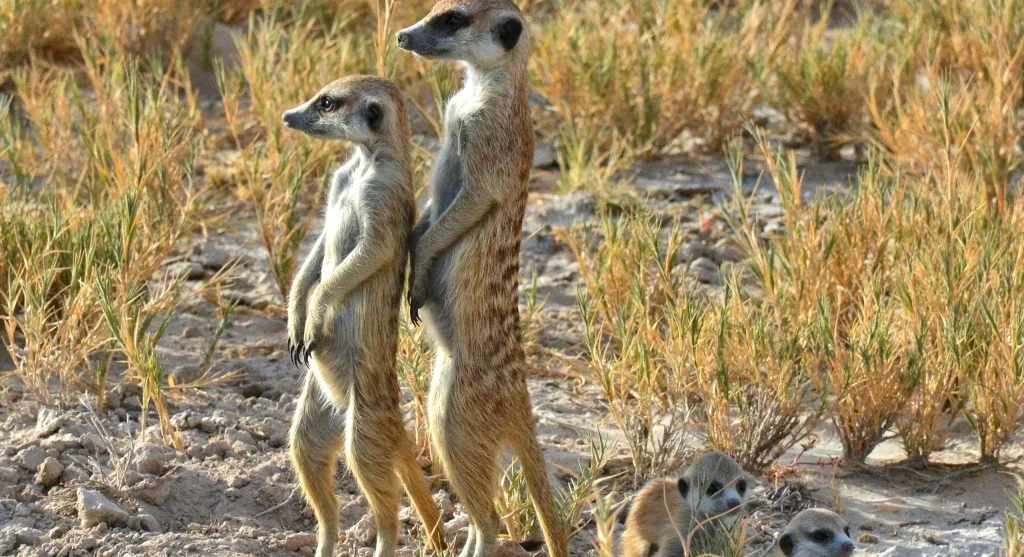
Researchers studying meerkat social behavior explain that lookout responsibilities are often shared between group members.
While one meerkat watches for danger, others search for insects and food underground.
Cooperative behavior helps balance survival tasks within the group.
Burrows Provide Shelter From Heat and Predators
Meerkats spend time inside underground tunnel systems that provide safety and cooler temperatures.
Wildlife specialists explain that burrows help protect against extreme daytime heat common in desert regions.
Underground shelter remains important for desert wildlife survival.
Desert Ecosystems Require Specialized Adaptations
Dry grasslands and semi-arid habitats often contain limited water and intense sunlight.
Researchers explain that many desert animals survive through behavioral adaptations rather than physical strength alone.
Environmental conditions strongly influence animal behavior patterns.
Conservation Monitoring Supports Wildlife Research
Wildlife researchers continue studying meerkat populations, social behavior, and ecosystem conditions across African grasslands.
Scientists studying why meerkats stand guard emphasize the importance of protecting biodiversity and natural habitats.
Healthy ecosystems remain important for long-term wildlife stability and conservation efforts.
Frequently Asked Questions
Q: Why do meerkats stand guard?
A: Meerkats stand guard to watch for predators and warn the group of danger.
Q: How do meerkats communicate danger?
A: Meerkats use vocal alarm calls to alert nearby group members.
Q: Do meerkats live alone?
A: No. Meerkats usually live in organized social groups.
Q: Why are burrows important for meerkats?
A: Burrows provide shelter from predators and extreme desert heat.
Q: What do meerkats eat?
A: Meerkats commonly feed on insects, small animals, and underground prey.
Key Takeaway
Understanding why meerkats stand guard highlights the importance of teamwork and communication in wildlife survival strategies. Shared lookout behavior, vocal warning systems, and social cooperation all help meerkats survive challenging desert environments. Researchers and conservation organizations continue studying social animal behavior and emphasizing the importance of protecting grassland ecosystems and biodiversity worldwide.