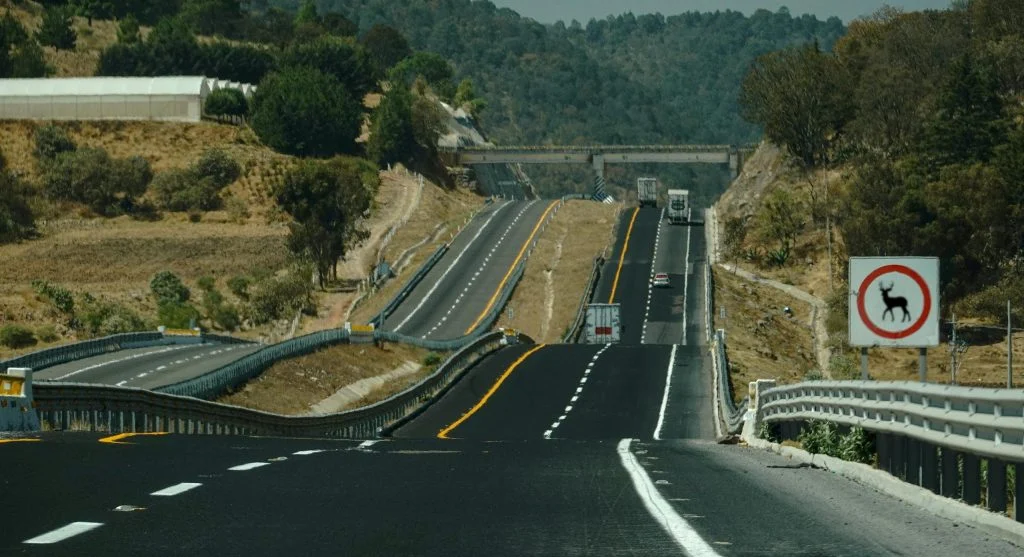
Roads and highways help connect cities and communities, but they can also divide natural ecosystems used by wildlife. Animals moving between feeding areas, breeding habitats, and seasonal migration routes may face dangerous road crossings in many regions.
Researchers studying wildlife crossings above highways explain that specially designed bridges and tunnels help animals travel more safely while reducing habitat fragmentation. Conservation projects involving wildlife corridors are becoming increasingly important in biodiversity protection efforts worldwide.
Wildlife Crossings Help Reduce Animal-Vehicle Collisions
One major reason wildlife crossings above highways are expanding involves road safety. Wildlife experts explain that collisions between vehicles and animals can harm both wildlife and people.
Crossing structures provide safer movement routes across busy transportation areas.
Habitat connectivity remains important for wildlife survival.
Roads Can Divide Natural Animal Habitats
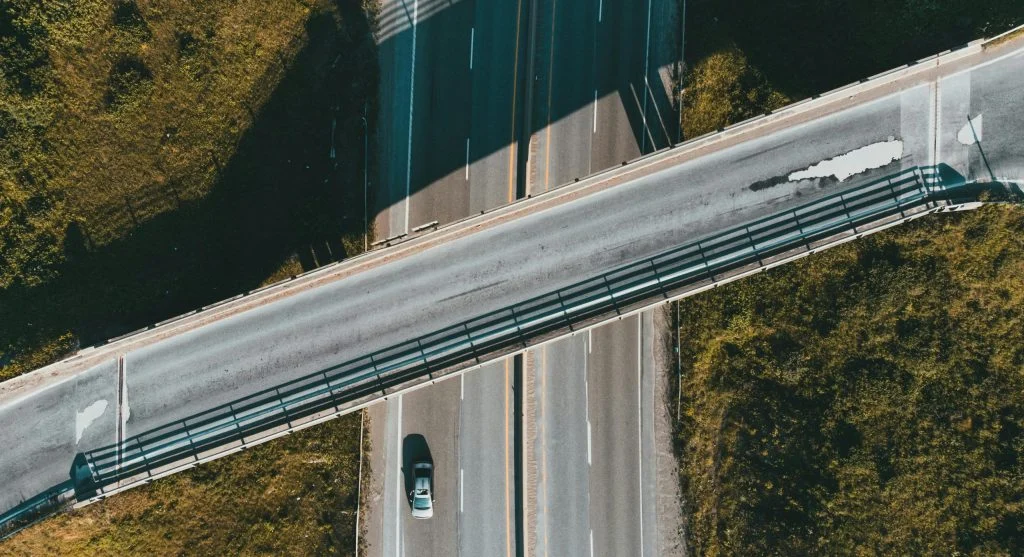
Highways sometimes separate forests, grasslands, wetlands, and mountain habitats into smaller sections.
Researchers explain that fragmented habitats may affect feeding patterns, migration routes, and breeding opportunities.
Wildlife movement often depends on connected ecosystems.
Different Species Use Wildlife Crossings
Wildlife crossings may support deer, bears, wolves, elk, reptiles, amphibians, and smaller mammals depending on local ecosystems.
Conservation researchers explain that crossing design often reflects regional wildlife behavior.
Some projects include fencing guiding animals toward safer crossing points.
Vegetation Helps Animals Feel Safer
Many wildlife bridges include grasses, shrubs, rocks, and trees designed to resemble natural habitats.
Wildlife experts explain that familiar environments may encourage animals to use crossing structures more comfortably.
Habitat design plays an important role in conservation engineering.
Migration Routes May Depend on Safe Corridors
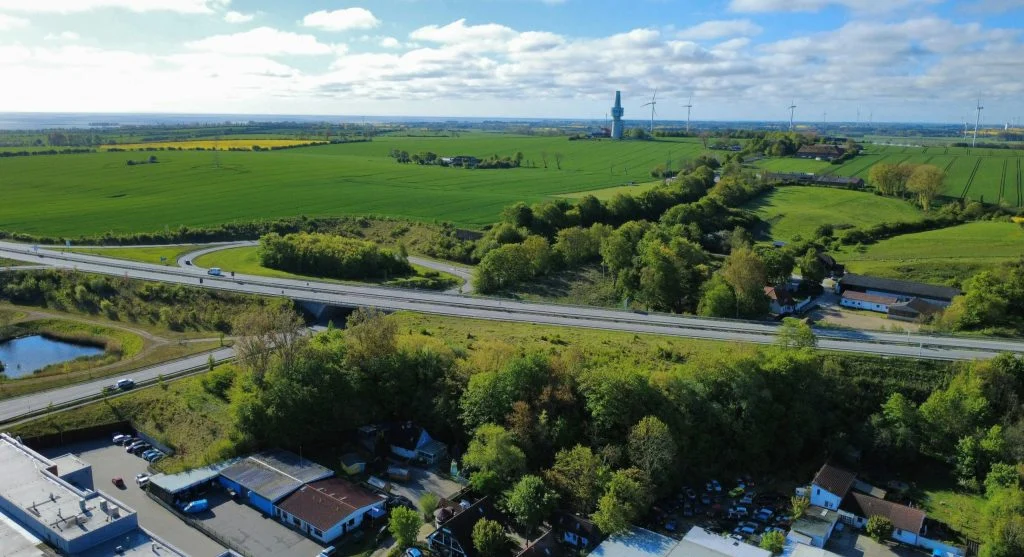
Some species travel long distances seasonally while searching for food, breeding areas, or climate conditions.
Researchers studying safe animal migration routes explain that highways may interrupt traditional movement patterns.
Protected corridors help reconnect ecosystems.
Wildlife Monitoring Continues Around Crossing Projects
Scientists use cameras, tracking systems, and field observations to study how animals interact with wildlife crossings.
Researchers explain that monitoring helps improve future conservation designs and habitat planning.
Wildlife engineering projects continue expanding in several regions worldwide.
Conservation Programs Support Long-Term Biodiversity
Environmental organizations and researchers emphasize the importance of protecting migration routes and habitat connectivity.
Projects involving wildlife crossings above highways continue supporting biodiversity conservation and ecosystem stability.
Healthy ecosystems depend heavily on safe wildlife movement between habitats.
Frequently Asked Questions
Q: What are wildlife crossings above highways?
A: Wildlife crossings are bridges or tunnels helping animals move safely across roads.
Q: Why are wildlife crossings important?
A: They reduce collisions and reconnect separated habitats.
Q: What animals use wildlife crossings?
A: Deer, bears, wolves, reptiles, and many other species may use them.
Q: Why do wildlife bridges contain plants?
A: Natural vegetation helps animals feel safer while crossing.
Q: How do researchers study wildlife crossings?
A: Scientists use cameras, tracking systems, and field observations.
Key Takeaway
Wildlife crossings above highways are becoming increasingly important for protecting biodiversity and supporting safer animal movement between habitats. Bridges, tunnels, and connected migration corridors help reduce collisions while improving long-term ecosystem stability. Researchers and conservation organizations continue developing wildlife crossing projects that support habitat connectivity and healthier ecosystems around the world.