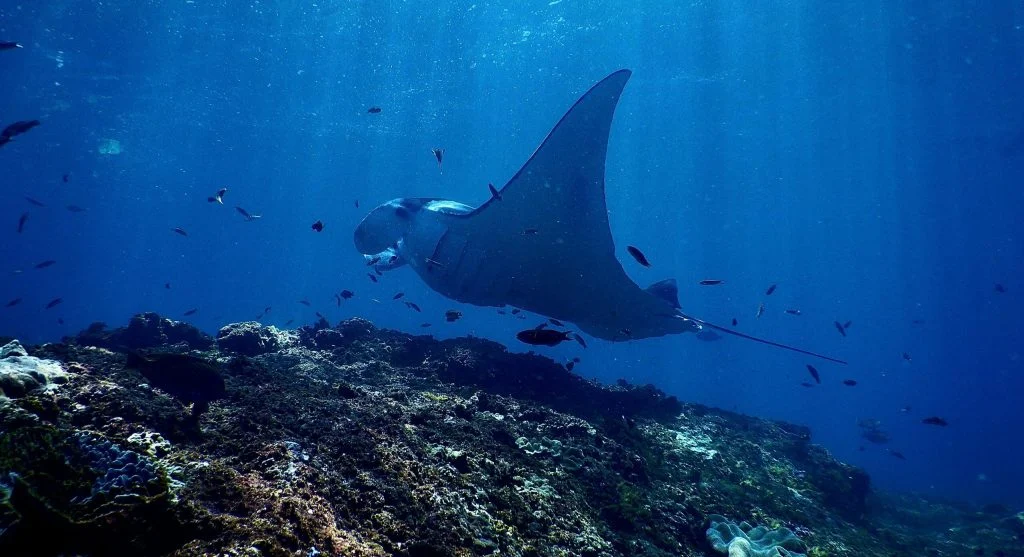
Manta rays are among the largest fish in the world, yet they feed on some of the smallest organisms found in the ocean. These graceful marine animals can reach impressive sizes while surviving primarily on tiny plankton drifting through the water.
Researchers studying why manta rays perform somersaults explain that these underwater flips help maximize feeding efficiency when plankton concentrations become especially dense. This fascinating behavior highlights the remarkable adaptations found within marine ecosystems.
Manta Rays Feed Using Specialized Filter Systems
One major reason why manta rays perform somersaults relates directly to feeding behavior.
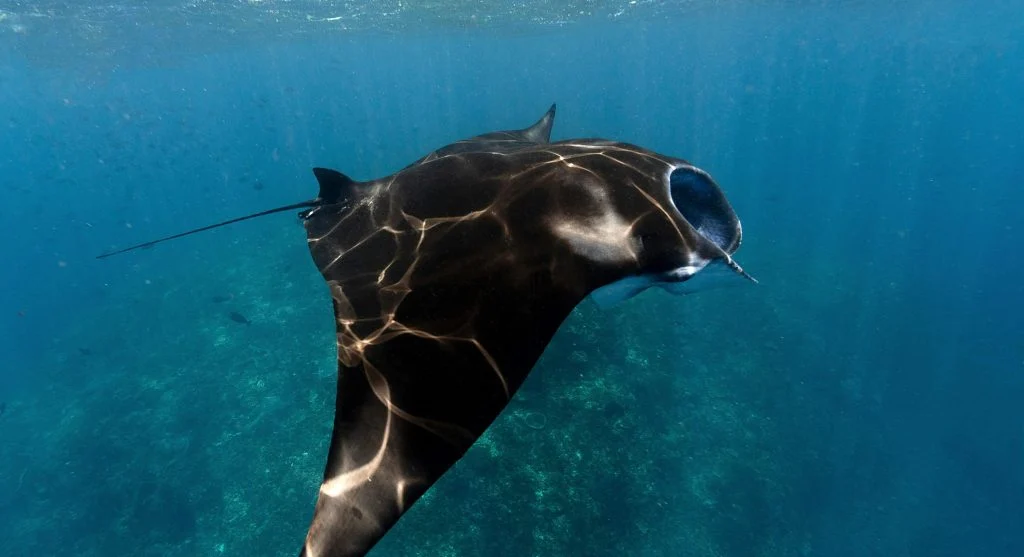
Marine experts explain that manta rays swim with open mouths while filtering plankton and microscopic organisms from the water.
Special structures inside the mouth help trap food particles efficiently.
Somersaults Keep Rays Inside Food-Rich Areas
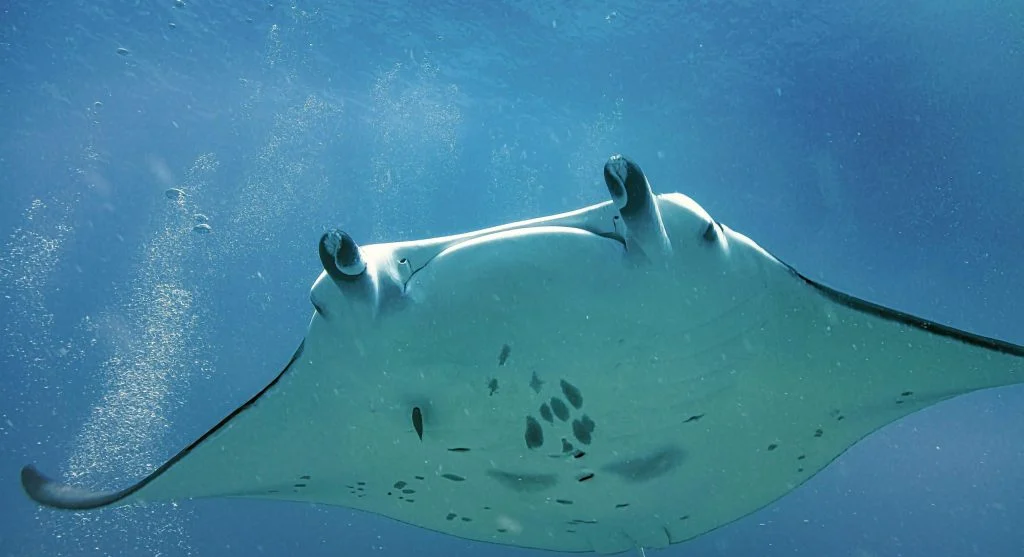
Researchers explain that when plankton becomes concentrated in one location, manta rays may perform repeated loops or somersaults.
This behavior allows them to remain within productive feeding zones longer.
Efficient feeding helps large animals meet their energy needs.
Plankton Blooms Create Feeding Opportunities
Plankton populations can increase significantly under favorable ocean conditions.
Wildlife scientists explain that ocean currents, sunlight, and nutrient availability often influence plankton growth.
These blooms attract many marine species, including manta rays.
Manta Rays Can Travel Long Distances
Although feeding areas are important, manta rays may travel great distances between habitats.
Researchers studying manta ray feeding behavior continue tracking migration routes and seasonal movements.
Long-distance travel helps animals locate favorable environmental conditions.
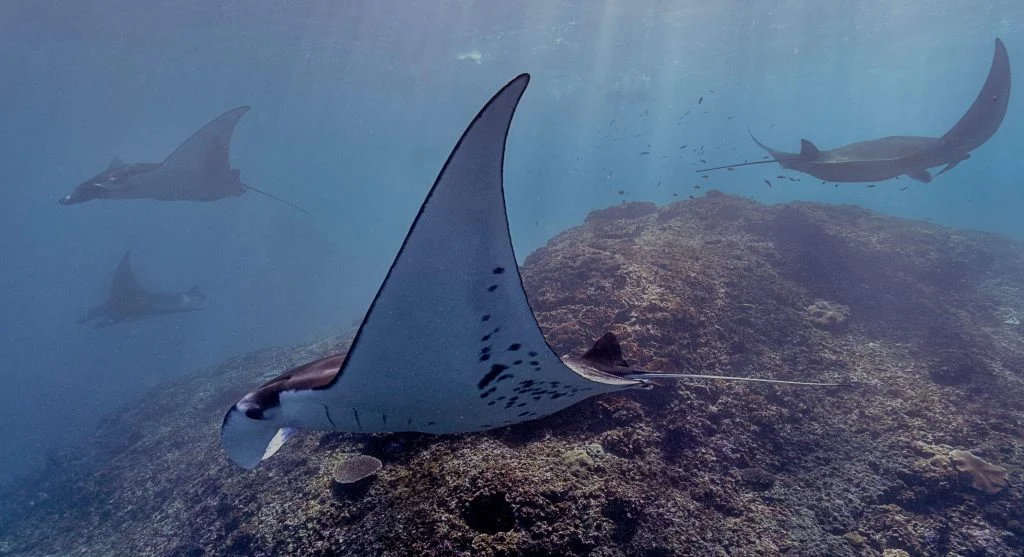
Large Size Does Not Mean Aggressive Behavior
Manta rays may appear intimidating because of their wingspan, but they are harmless filter feeders.
Marine experts explain that manta rays consume plankton rather than large prey.
Their feeding strategy differs greatly from predatory marine species.
Cleaning Stations Help Maintain Health
Manta rays often visit reef locations known as cleaning stations.
Small fish remove parasites and dead skin while manta rays hover nearby.
This relationship benefits both species within the ecosystem.
Conservation Efforts Support Manta Ray Populations
Researchers continue studying why manta rays perform somersaults while monitoring population trends and habitat conditions.
Marine conservation programs focus on protecting important feeding grounds and migration routes.
Healthy ocean ecosystems remain essential for manta ray survival.
Frequently Asked Questions
Q: Why do manta rays perform somersaults?
A: Somersaults help manta rays stay within dense plankton feeding areas.
Q: What do manta rays eat?
A: Manta rays primarily feed on plankton and tiny marine organisms.
Q: Are manta rays dangerous?
A: No. Manta rays are harmless filter feeders.
Q: How do manta rays collect food?
A: They swim with open mouths and filter plankton from the water.
Q: Why are marine reserves important?
A: Marine reserves help protect feeding habitats and biodiversity.
Key Takeaway
Manta rays perform underwater somersaults as a highly effective feeding strategy that helps them remain within plankton-rich waters. This remarkable behavior demonstrates how marine animals adapt to their environments while maximizing access to food resources. Ongoing conservation efforts continue supporting the habitats that manta rays and countless other ocean species depend upon.