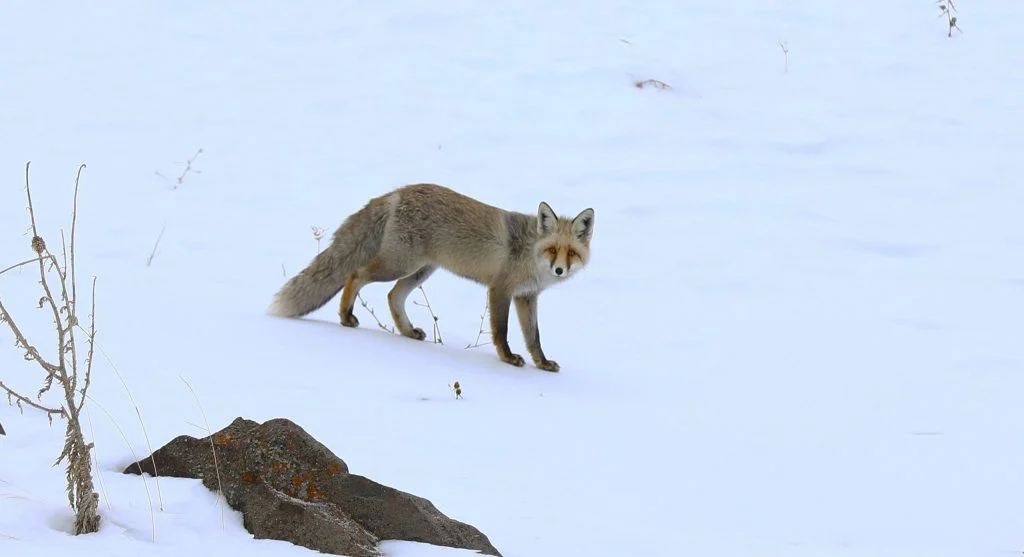
Arctic foxes live in some of the coldest environments on Earth, including tundra ecosystems across the Arctic regions of North America, Europe, and Asia. These small predators survive freezing temperatures, seasonal darkness, and extreme weather conditions throughout the year.
Researchers studying why Arctic foxes change fur color explain that seasonal camouflage helps these animals blend into changing environments while improving hunting and survival opportunities. Fur adaptation remains one of the most remarkable examples of wildlife survival in polar ecosystems.
Winter Fur Helps Arctic Foxes Blend Into Snow
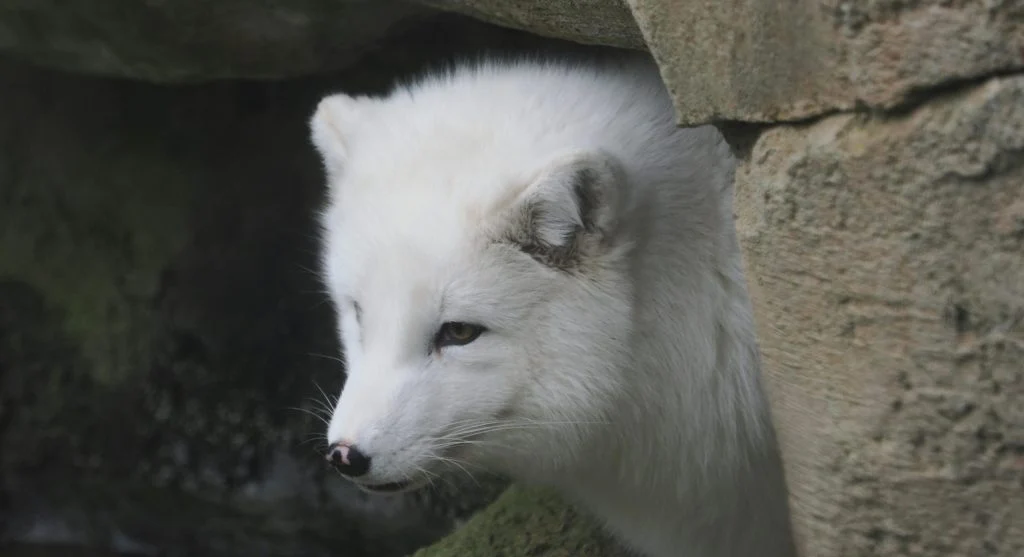
One major reason why Arctic foxes change fur color involves camouflage. Wildlife experts explain that many Arctic foxes develop white fur during winter months when snow covers the tundra.
White coloration helps reduce visibility in icy landscapes.
Seasonal camouflage wildlife adaptations often improve survival chances.
Summer Fur Matches Rocky Tundra Landscapes
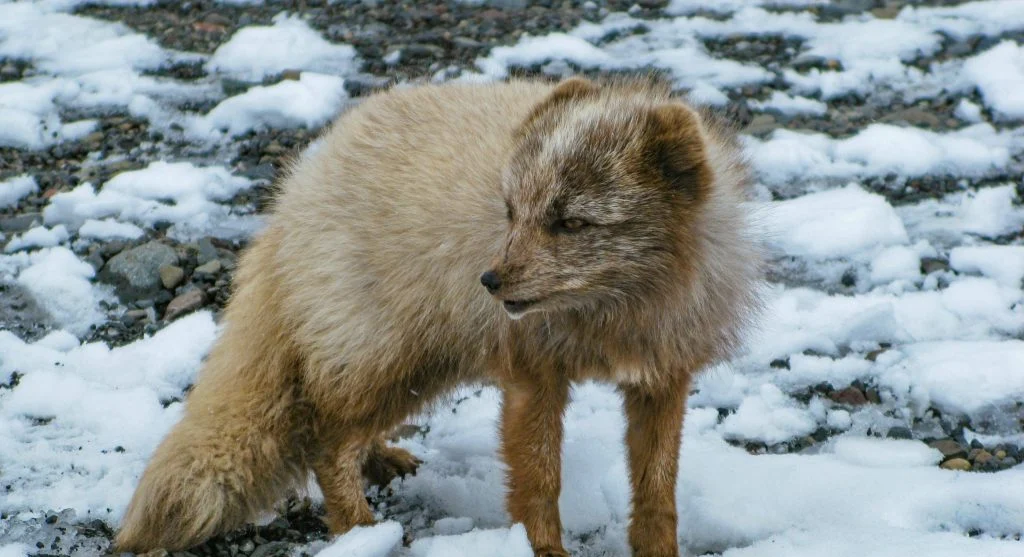
As snow melts during warmer months, many Arctic foxes develop brown or gray fur instead of bright white coats.
Researchers explain that darker fur helps foxes blend into rocks, soil, and tundra vegetation during summer.
Changing environments often influence animal appearance and behavior.
Thick Fur Provides Important Cold Protection
Arctic foxes possess some of the warmest fur among mammals living in polar regions.
Wildlife experts explain that dense fur helps trap body heat during freezing temperatures and strong Arctic winds.
Insulation remains essential for tundra survival behavior.
Small Ears Help Reduce Heat Loss
Compared with many other fox species, Arctic foxes possess smaller rounded ears.
Researchers studying Arctic animal adaptations explain that smaller ears may help reduce heat loss in freezing environments.
Body structure often reflects climate adaptation.
Arctic Foxes Feed on Many Food Sources
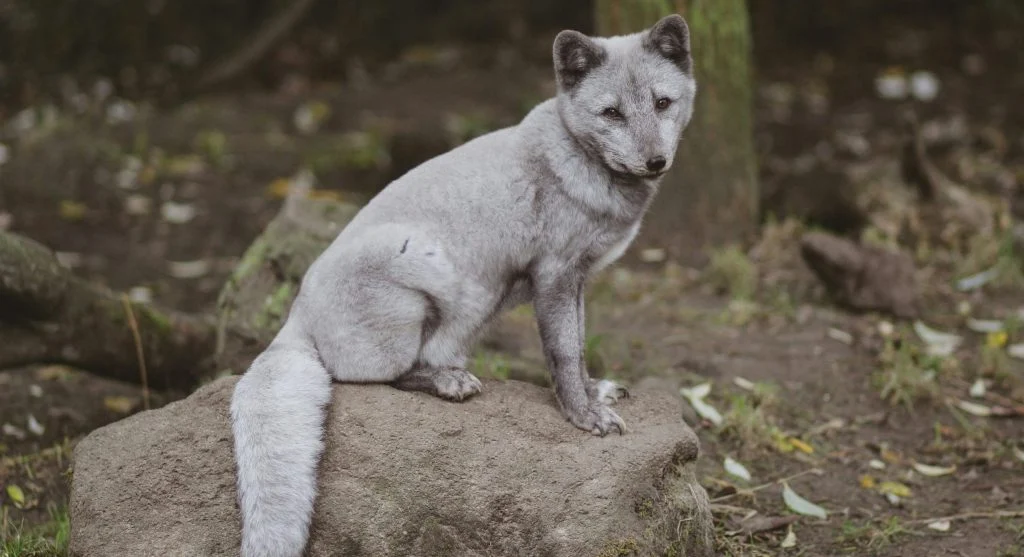
Arctic foxes are flexible predators and scavengers capable of eating small mammals, birds, eggs, fish, and leftover animal remains.
Wildlife researchers explain that food availability may change dramatically between seasons in Arctic ecosystems.
Flexible feeding behavior improves survival opportunities.
Seasonal Changes Shape Arctic Ecosystems
Long winters, short summers, and dramatic daylight shifts strongly influence Arctic wildlife behavior.
Researchers explain that many tundra species depend heavily on seasonal adaptation for survival.
Climate conditions remain closely connected to biodiversity patterns.
Researchers Continue Monitoring Arctic Wildlife
Scientists studying why Arctic foxes change fur color continue monitoring tundra habitats, wildlife populations, and environmental conditions.
Conservation organizations emphasize the importance of protecting Arctic ecosystems and maintaining biodiversity in polar regions.
Healthy tundra habitats remain important for long-term wildlife stability.
Frequently Asked Questions
Q: Why do Arctic foxes change fur color?
A: Seasonal fur color helps Arctic foxes camouflage within changing environments.
Q: What color is Arctic fox fur during winter?
A: Many Arctic foxes develop white fur during snowy winter months.
Q: Why do Arctic foxes have thick fur?
A: Thick fur helps trap heat and protect against freezing temperatures.
Q: What do Arctic foxes eat?
A: Arctic foxes feed on small mammals, birds, fish, and other available food sources.
Q: Why are Arctic ecosystems important?
A: Arctic ecosystems support specialized wildlife adapted to extreme conditions.
Key Takeaway
Understanding why Arctic foxes change fur color highlights the remarkable survival adaptations wildlife develops in extreme polar environments. Seasonal camouflage, thick insulating fur, flexible feeding behavior, and specialized body structure all help Arctic foxes survive harsh tundra ecosystems. Researchers and conservation organizations continue studying Arctic biodiversity while emphasizing the importance of protecting fragile polar habitats worldwide.