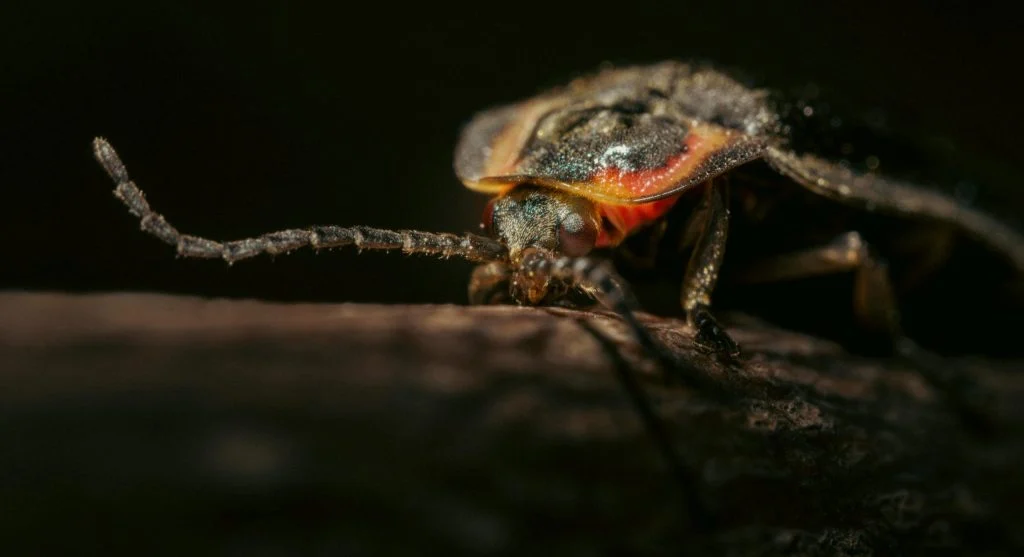
Fireflies are small winged insects best known for producing flashes of glowing light during warm evenings in forests, wetlands, grasslands, and backyard environments. These glowing insects appear most commonly during spring and summer seasons when nighttime temperatures become warmer.
Researchers studying why fireflies glow at night explain that a natural chemical reaction inside the insect’s body creates bioluminescence. This light production helps communication, mating behavior, and survival within nighttime ecosystems.
Bioluminescence Creates Natural Light
One major reason why fireflies glow at night involves bioluminescence, which is the production of light by living organisms.
Wildlife experts explain that special chemicals inside the firefly react with oxygen to create glowing flashes.
This process produces very little heat compared with artificial light sources.
Light Signals Help Fireflies Communicate
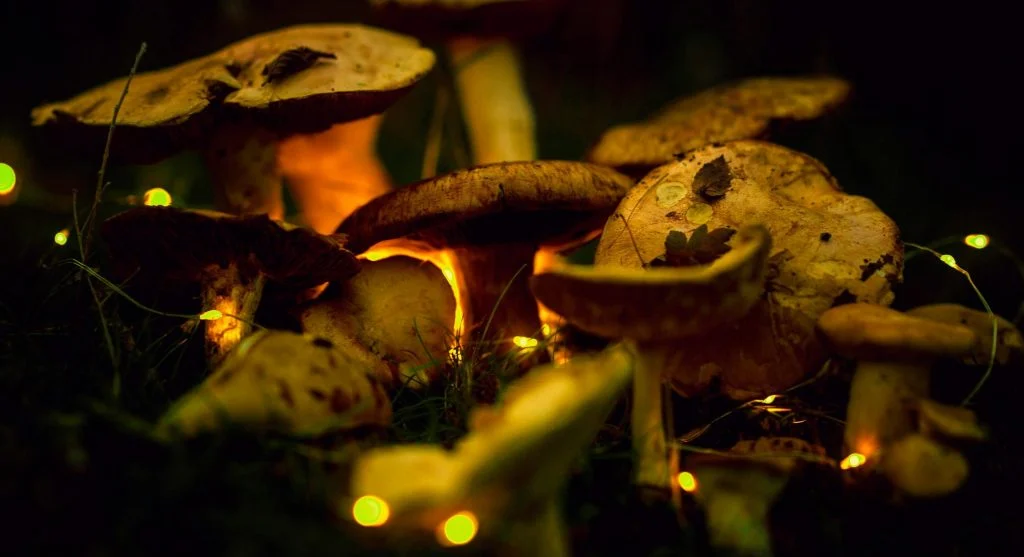
Researchers studying glowing insect behavior explain that flashing patterns help fireflies identify members of the same species.
Different species may produce different flash timing and movement patterns.
Communication remains important for many nighttime insects.
Warm Weather Increases Firefly Activity
Fireflies are most active during warmer months because temperature strongly affects insect activity.
Wildlife experts explain that humid summer evenings often create favorable conditions for glowing behavior.
Seasonal weather patterns influence many insect populations.
Larvae Also Produce Light
Young fireflies living in soil or leaf litter may also produce small glowing signals.
Researchers explain that light production could help discourage predators from attacking.
Bioluminescence appears in several stages of the firefly life cycle.
Wetlands and Forests Support Firefly Habitats
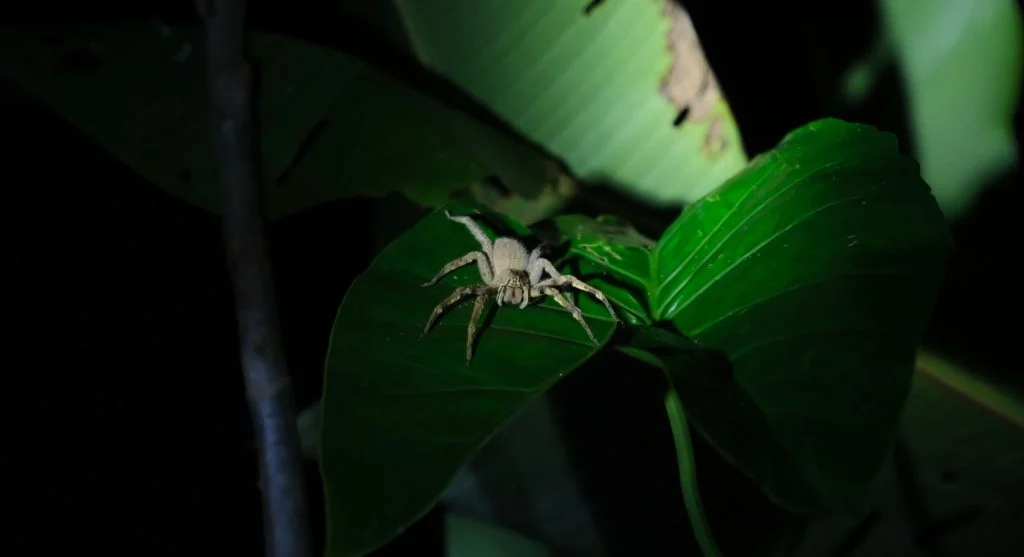
Fireflies often depend on moist environments containing vegetation, freshwater, and shelter.
Wildlife specialists explain that wetlands, forests, and grassy habitats help support insect biodiversity.
Healthy ecosystems remain important for many small wildlife species.
Artificial Lights Can Affect Firefly Activity
Bright artificial lighting may interfere with natural flashing signals used during communication.
Researchers studying firefly bioluminescence explain that excessive nighttime lighting may affect mating success in some regions.
Environmental changes often influence insect behavior patterns.
Conservation Efforts Help Protect Insect Biodiversity
Habitat loss, pollution, and environmental changes may affect firefly populations and insect ecosystems worldwide.
Researchers continue studying why fireflies glow at night while monitoring biodiversity and habitat conditions.
Conservation organizations emphasize the importance of protecting wetlands, forests, and healthy nighttime ecosystems.
Frequently Asked Questions
Q: Why do fireflies glow at night?
A: Fireflies glow because of a natural bioluminescent chemical reaction.
Q: What is bioluminescence?
A: Bioluminescence is the production of light by living organisms.
Q: Why do fireflies flash different patterns?
A: Flashing patterns help fireflies communicate and identify species.
Q: Where do fireflies usually live?
A: Fireflies commonly inhabit forests, wetlands, grasslands, and moist habitats.
Q: Can artificial light affect fireflies?
A: Yes. Bright artificial lighting may disrupt natural communication signals.
Key Takeaway
Understanding why fireflies glow at night reveals the fascinating role of bioluminescence within natural ecosystems. Chemical light production helps fireflies communicate, attract mates, and survive in nighttime environments. Researchers and conservation organizations continue studying insect biodiversity while emphasizing the importance of protecting wetlands, forests, and healthy habitats that support firefly populations worldwide.