Summer heat waves can create difficult conditions for wildlife across forests, deserts, wetlands, mountains, and grasslands. High temperatures often affect food availability, water access, movement patterns, and animal behavior throughout natural ecosystems.
Wildlife researchers studying wildlife during summer heat waves explain that many species rely on specialized survival strategies to cope with extreme heat. Understanding these behaviors helps conservation experts monitor ecosystem health and protect vulnerable habitats during warmer seasons.
Why Extreme Heat Creates Challenges for Wildlife
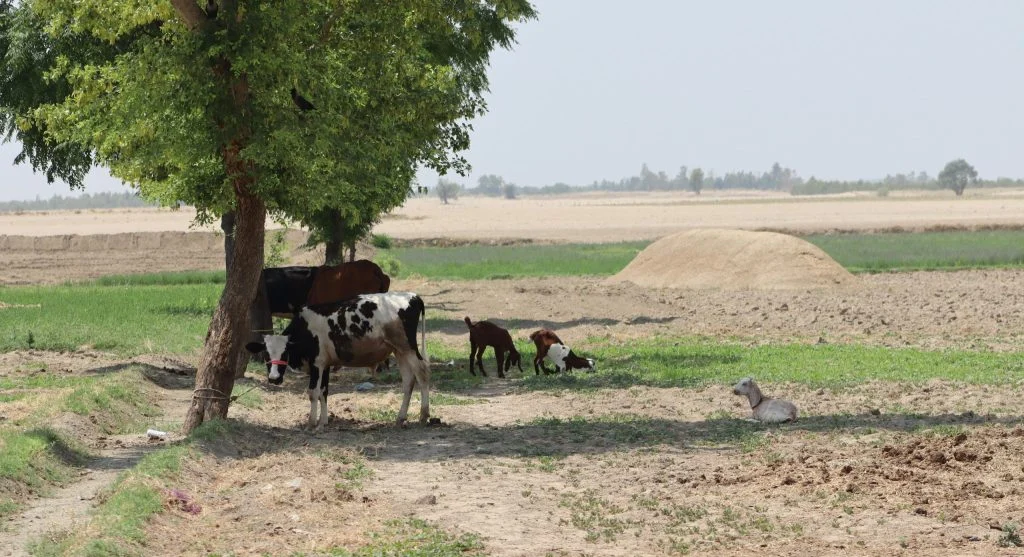
Animals must carefully regulate body temperature to survive hot weather conditions. Prolonged heat waves can increase dehydration risks, reduce food supplies, and force animals to change normal activity patterns.
Wildlife specialists explain that some species are more vulnerable to heat stress than others depending on habitat, body size, and water needs.
Extreme weather wildlife research also shows that heat waves may influence breeding success, migration timing, and long-term ecosystem stability.
Credit: Dr Photographer / Pexels
Many Animals Become Active During Cooler Hours
One common survival strategy involves changing activity schedules. Wildlife experts explain that many species become more active during early morning, evening, or nighttime hours when temperatures are lower.
Reduced daytime movement helps conserve energy and lowers the risk of overheating. Some mammals, birds, and reptiles may spend much of the hottest part of the day resting in shaded areas.
Researchers studying seasonal wildlife behavior continue monitoring how temperature changes affect feeding and movement patterns.
Water Sources Become Extremely Important
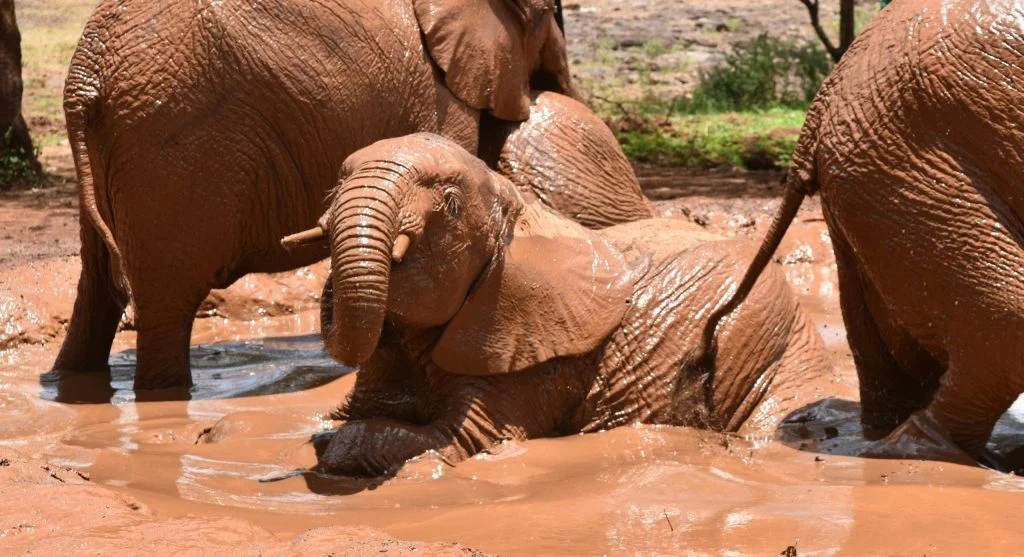
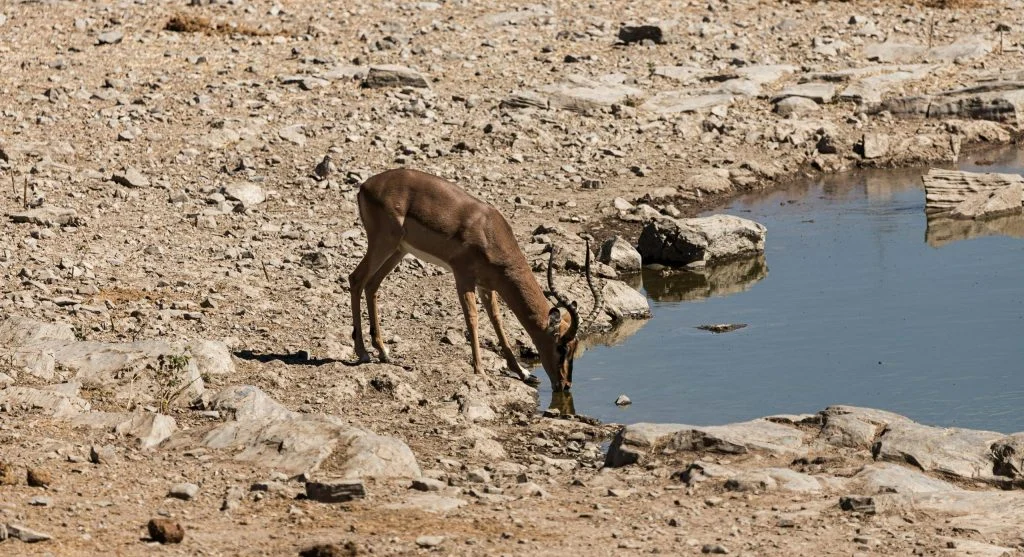
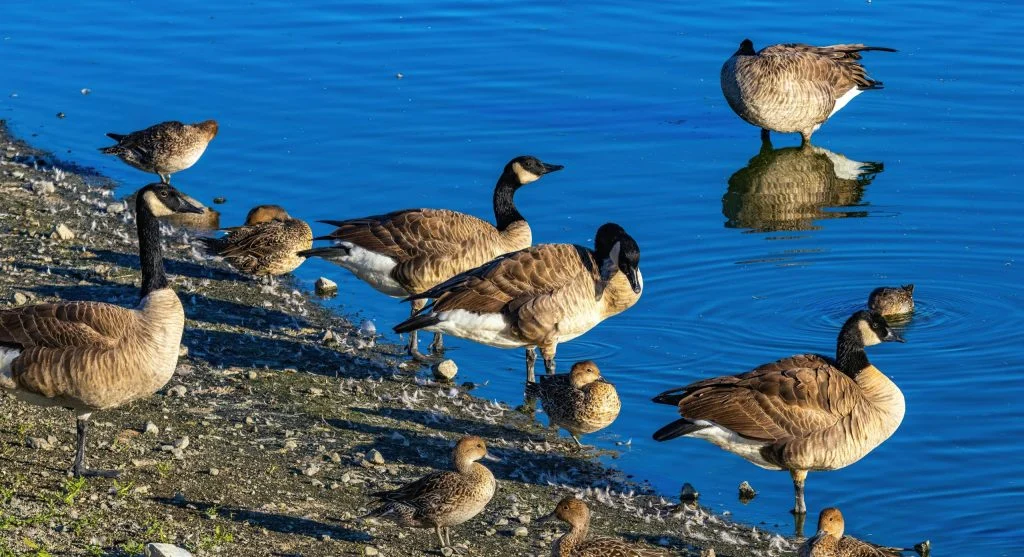
During heat waves, rivers, ponds, wetlands, and shaded streams often become critical gathering points for wildlife. Animals may travel longer distances to reach reliable water sources.
Wildlife conservation experts explain that drought conditions combined with extreme heat can create additional pressure on ecosystems already facing water shortages.
Birds, mammals, amphibians, and insects all depend on accessible water during hot weather periods.
Some Species Use Shade and Underground Shelter
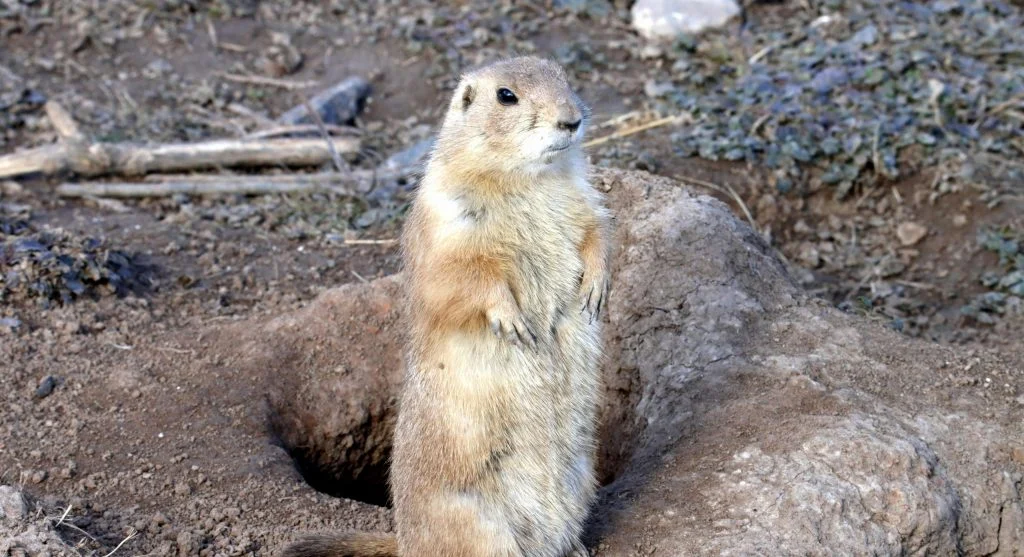
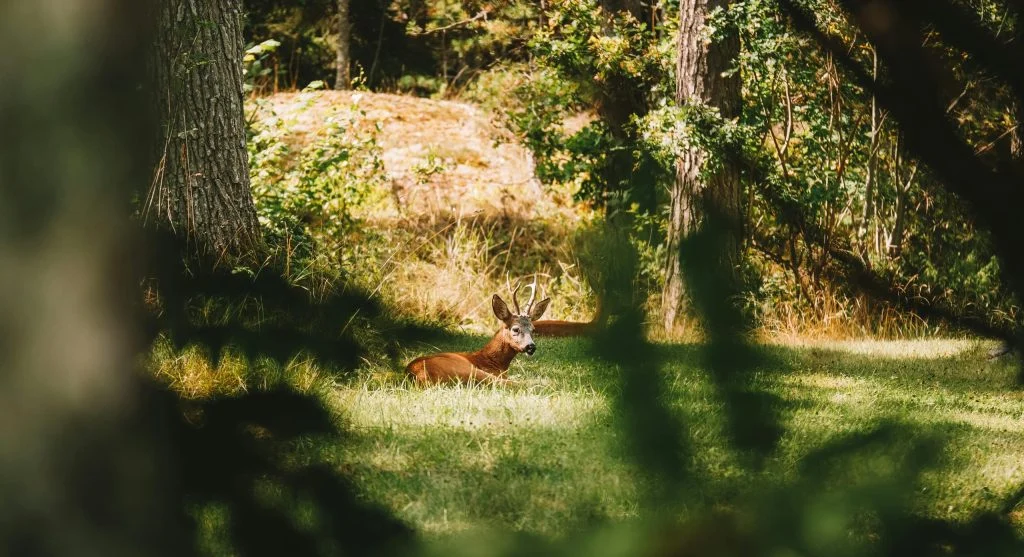
Burrows, caves, dense vegetation, and shaded forest areas help animals avoid direct sunlight during heat waves. Smaller mammals and reptiles often retreat underground where temperatures remain cooler.
Wildlife researchers explain that thick vegetation and tree cover may become especially important during prolonged hot weather conditions.
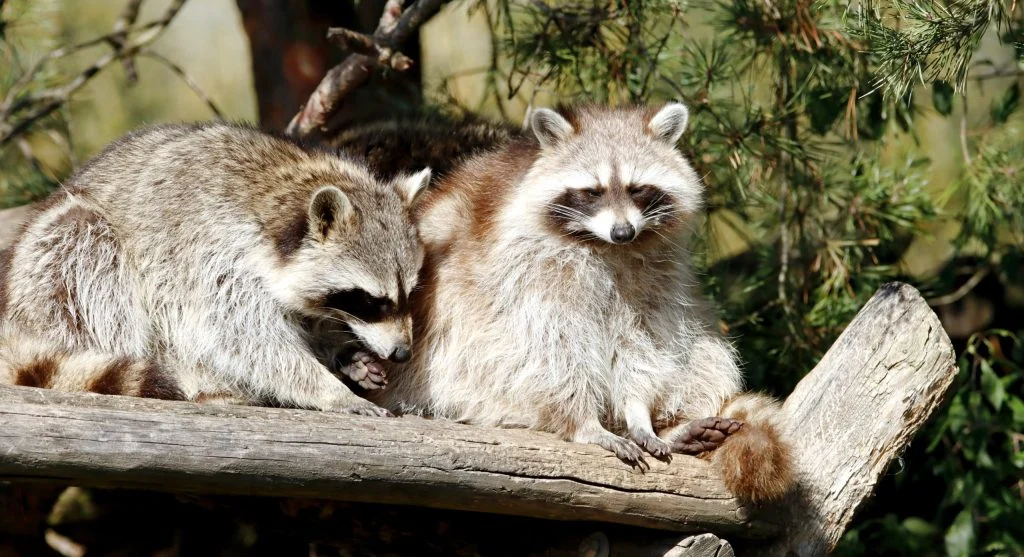
Forest habitats often provide natural cooling areas that help reduce heat stress for many species.
Credit: Oliver Schmid / Pexels
Birds Often Adjust Behavior During Heat Waves
Bird species may reduce daytime activity and seek cooler locations during periods of extreme heat. Wildlife specialists explain that birds sometimes spread wings, pant, or rest in shaded areas to regulate body temperature.
Some birds may also visit water sources more frequently for drinking and cooling.
Researchers studying extreme weather wildlife patterns note that prolonged heat may affect nesting success and food availability for some bird populations.
Marine Wildlife Can Also Be Affected by Heat
Ocean heat waves may influence marine ecosystems and underwater habitats. Warmer water temperatures can affect coral reefs, fish movement, and food chains.
Marine wildlife researchers continue monitoring how rising water temperatures impact sea turtles, fish species, and marine biodiversity.
Changes in ocean temperature may also influence migration routes and feeding patterns for certain marine animals.
Habitat Protection Helps Wildlife During Extreme Weather
Healthy ecosystems often provide better protection during environmental stress. Forests, wetlands, grasslands, and protected natural areas support wildlife by offering shade, water, and food resources.
Conservation organizations explain that habitat protection remains important for helping ecosystems remain resilient during changing weather conditions.
Wildlife researchers studying wildlife during summer heat waves continue emphasizing the importance of protecting natural habitats and water systems.
Credit: Robert So / Pexels
Frequently Asked Questions
Q: How do animals survive extreme summer heat?
A: Many animals rest in shade, become active during cooler hours, and stay close to water sources during heat waves.
Q: Why are water sources important during heat waves?
A: Water helps wildlife stay hydrated and regulate body temperature during periods of extreme heat.
Q: Do birds change behavior during hot weather?
A: Yes. Birds may reduce daytime activity, seek shade, and visit water sources more often.
Q: Can heat waves affect marine wildlife?
A: Warmer ocean temperatures may affect coral reefs, fish movement, feeding patterns, and marine ecosystems.
Q: How can protected habitats help wildlife during heat waves?
A: Forests, wetlands, and natural ecosystems provide shade, shelter, water, and food resources during extreme weather.
Key Takeaway
Wildlife during summer heat waves relies on specialized survival strategies including shade use, nighttime activity, and access to water sources. Extreme temperatures can influence animal behavior, ecosystem health, and migration patterns across many habitats. Wildlife experts continue emphasizing the importance of habitat conservation and ecosystem protection during periods of changing environmental conditions.