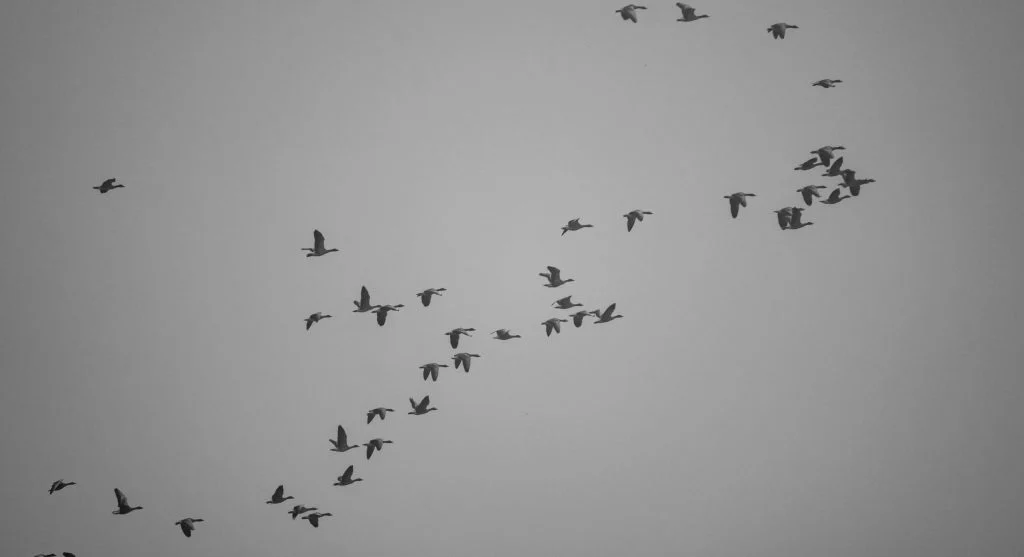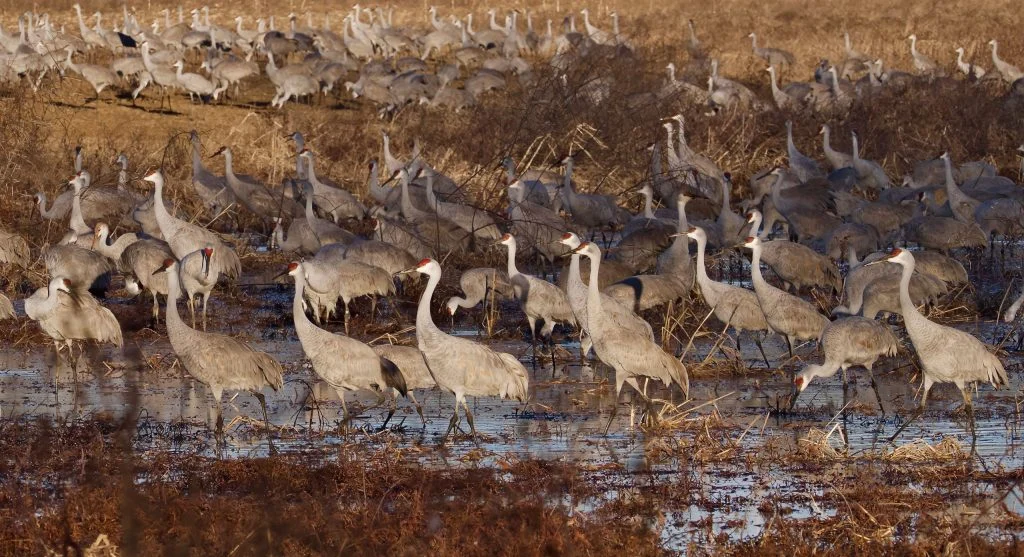
Every year, millions of birds travel remarkable distances between their breeding areas and wintering grounds. Among the most impressive of these travelers are sandhill cranes, large birds known for their graceful appearance, loud calls, and dramatic seasonal migrations. These birds may travel hundreds or even thousands of miles, yet many return to the same stopover locations year after year.
Researchers studying sandhill crane migration have found that these stopover sites are essential for survival. During migration, cranes need safe places to rest, feed, and rebuild energy before continuing their journey. Returning to familiar locations gives them important advantages that can improve their chances of completing migration successfully.
The repeated use of the same stopovers also shows why wetlands, rivers, and grasslands are so important for migratory wildlife. Without these habitats, many birds would struggle to finish their seasonal journeys.
Migration Requires Enormous Amounts of Energy
Long-distance flight requires a large amount of energy.
Wildlife experts explain that migrating birds must manage their energy reserves carefully throughout the journey. Unlike short local movements, migration can take birds across several regions, landscapes, and weather conditions.
Sandhill cranes depend on stopovers where they can feed and rest before moving on. These places work much like refueling stations during a long road trip.
Returning to familiar stopovers helps cranes find dependable food sources without wasting valuable time and energy searching unfamiliar areas.
Familiar Locations Offer Reliable Resources
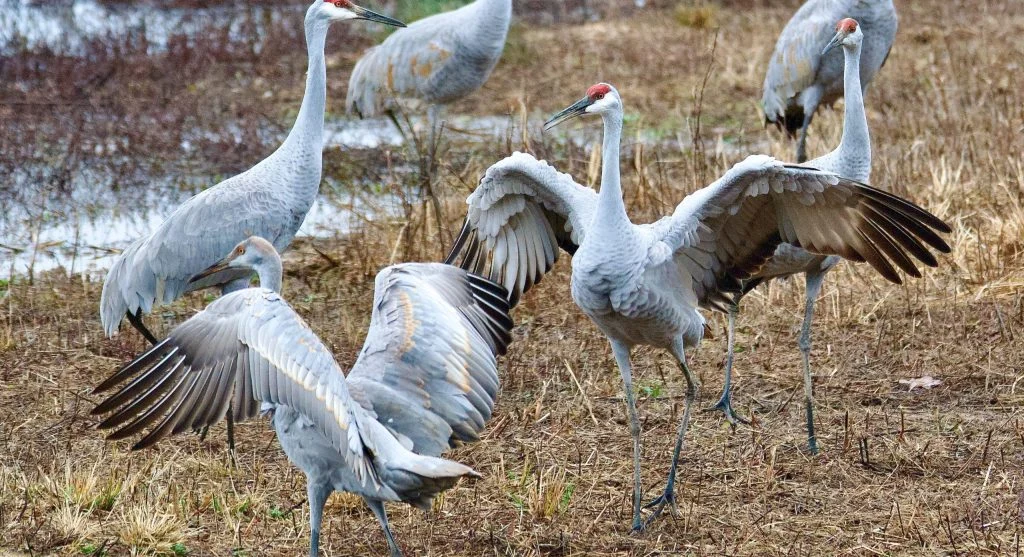
Researchers believe predictability is one major reason sandhill cranes return to the same stopovers.
Many traditional migration sites regularly provide food, water, and shelter. Over generations, cranes may learn which places offer the most reliable conditions.
Coming back to proven habitats reduces uncertainty and makes migration more efficient.
Birds that already know where resources are located can spend more time feeding and less time searching.
Young Birds Learn Migration Routes
Migration knowledge is not completely instinctive.
Scientists who study bird migration behavior explain that young cranes often travel with experienced adults.
During these journeys, younger birds learn important migration routes, feeding areas, and stopover locations.
This passing of knowledge helps preserve migration traditions from one generation to the next.
Because of this, some stopover sites may remain important for decades or even centuries.
Wetlands Play a Critical Role
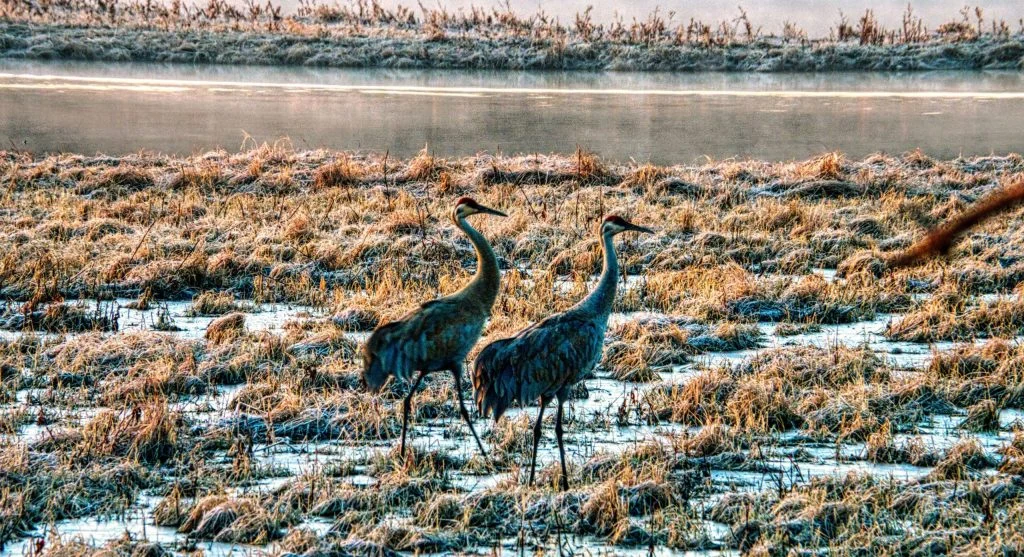
Many sandhill crane stopovers are found near wetlands.
Wetlands provide shallow water where cranes can rest more safely at night while lowering the risk of predator encounters.
During the day, nearby fields and grasslands often offer feeding opportunities.
Researchers explain that healthy wetland ecosystems are essential for many migratory bird species, not only cranes.
These habitats support biodiversity while also providing the resources birds need during long migrations.
Weather Influences Migration Timing
Migration schedules are closely linked to weather conditions.
Strong winds, storms, temperature shifts, and seasonal patterns all affect when birds travel.
Sandhill cranes often adjust their migration timing based on environmental conditions.
Researchers explain that familiar stopovers may also give birds safe places to wait until the weather becomes better for travel.
This flexibility helps reduce the risks that come with long-distance migration.
Navigation Abilities Remain Remarkable
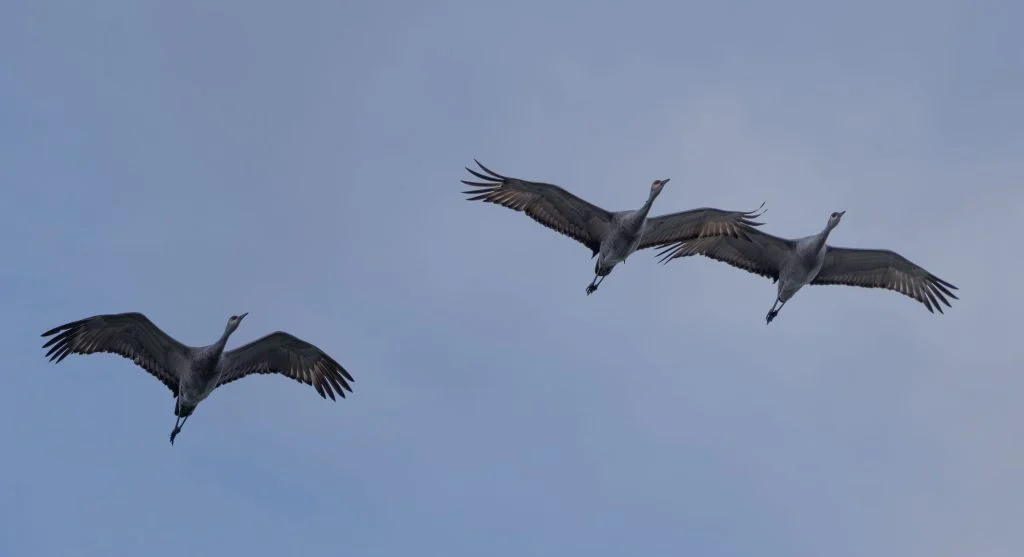
One of the most fascinating parts of migration is navigation.
Scientists are still studying how birds find their destinations with such accuracy.
Research suggests that migratory birds may rely on several environmental cues, including the sun, stars, landscape features, and Earth’s magnetic field.
These navigation tools help cranes follow familiar routes and locate stopovers across vast distances.
Although researchers continue to study the details, bird navigation remains one of nature’s most remarkable mysteries.
Migration Benefits Entire Ecosystems
Bird migration matters for more than the birds themselves.
Seasonal movements influence ecosystems across large regions.
Sandhill cranes help disperse seeds, interact with plant communities, and contribute to ecological processes in different habitats.
Their migrations also attract birdwatchers, photographers, and nature enthusiasts, helping raise awareness for conservation.
Protecting migration routes benefits both wildlife and local communities.
Conservation Efforts Focus on Key Stopovers
Because stopover habitats are so important, conservation organizations work to protect many of these areas.
Researchers explain that habitat loss is one of the biggest challenges facing migratory species.
Urban development, land-use changes, and wetland degradation can reduce the number of critical migration sites available to birds.
Protecting wetlands, grasslands, and river systems helps ensure that future generations of cranes can continue using traditional routes.
Successful conservation often requires cooperation across many regions because migration routes cross political and geographic boundaries.
Researchers Continue Monitoring Crane Populations
Modern technology has greatly improved migration research.
Scientists now use satellite tracking devices, field observations, and population surveys to monitor crane movements.
These studies help identify important stopovers and show how environmental changes affect migration behavior.
Research also helps conservation organizations decide which habitats should be protected first.
Understanding migration patterns remains essential for protecting these remarkable birds.
Frequently Asked Questions
Q: Why do sandhill cranes return to the same stopovers?
A: Familiar stopovers provide reliable food, water, and safe resting locations during migration.
Q: How far can sandhill cranes migrate?
A: Depending on the population, migration distances can range from hundreds to thousands of miles.
Q: How do young cranes learn migration routes?
A: Young birds often travel with experienced adults and learn important routes and stopovers.
Q: Why are wetlands important during migration?
A: Wetlands provide safe resting areas and access to food resources.
Q: What threatens migration stopovers?
A: Habitat loss, wetland degradation, and land-use changes can reduce available stopover sites.
Key Takeaway
Sandhill cranes return to the same migration stopovers because these places offer dependable food, shelter, and safety during one of nature’s most demanding journeys. Their ability to navigate across vast distances shows why wetlands and other key habitats must be protected. Preserving these stopovers helps future generations of cranes continue their incredible seasonal migrations.