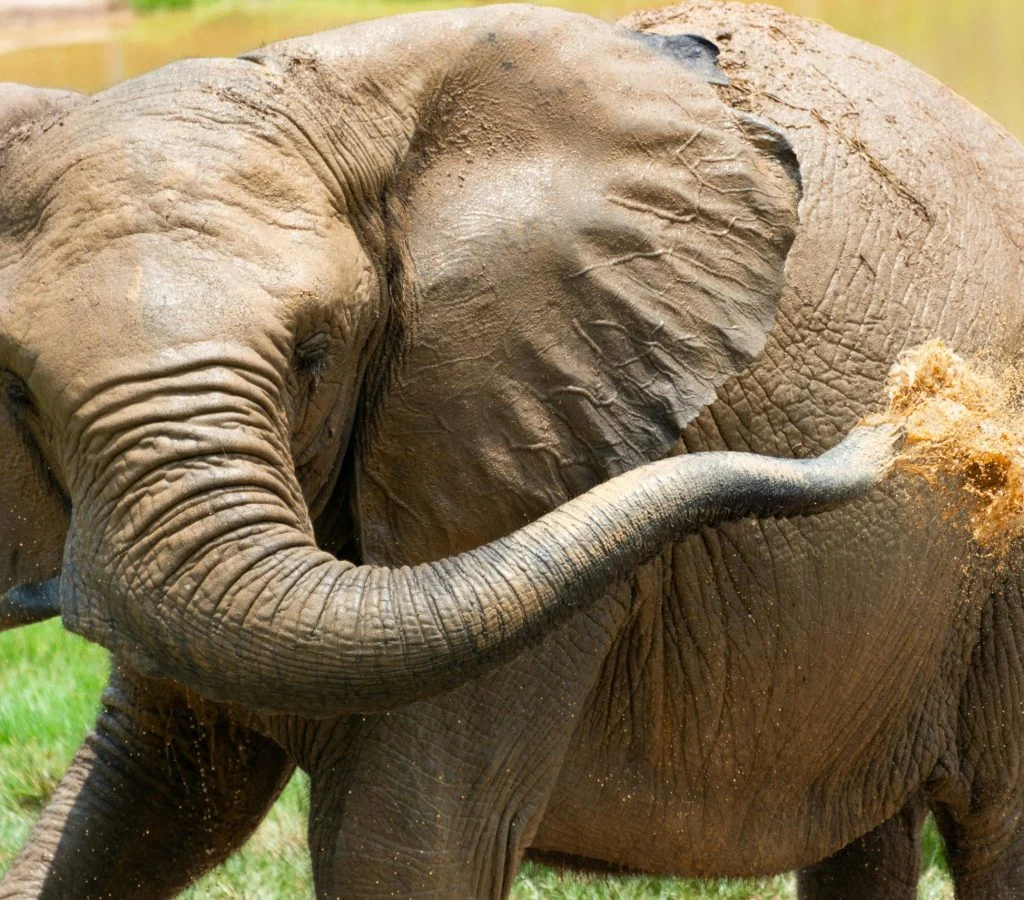
Elephants are among the largest land animals on Earth, and surviving in warm grasslands, forests, and savanna ecosystems requires several specialized adaptations. One of the most recognizable elephant behaviors involves rolling, spraying, or covering the body with mud.
Wildlife researchers studying why elephants use mud baths explain that this behavior supports cooling, skin protection, and overall health. Mud bathing plays an important role in helping elephants manage environmental conditions in hot habitats.
Mud Helps Elephants Stay Cool
One major reason why elephants use mud baths involves temperature regulation. Elephants produce body heat while moving through warm environments, yet they have relatively few sweat glands compared with many animals.
Wildlife experts explain that wet mud helps cool the skin as moisture slowly evaporates under hot conditions.
This natural cooling process becomes especially important during warm afternoons in open habitats.
Mud Also Protects Elephant Skin
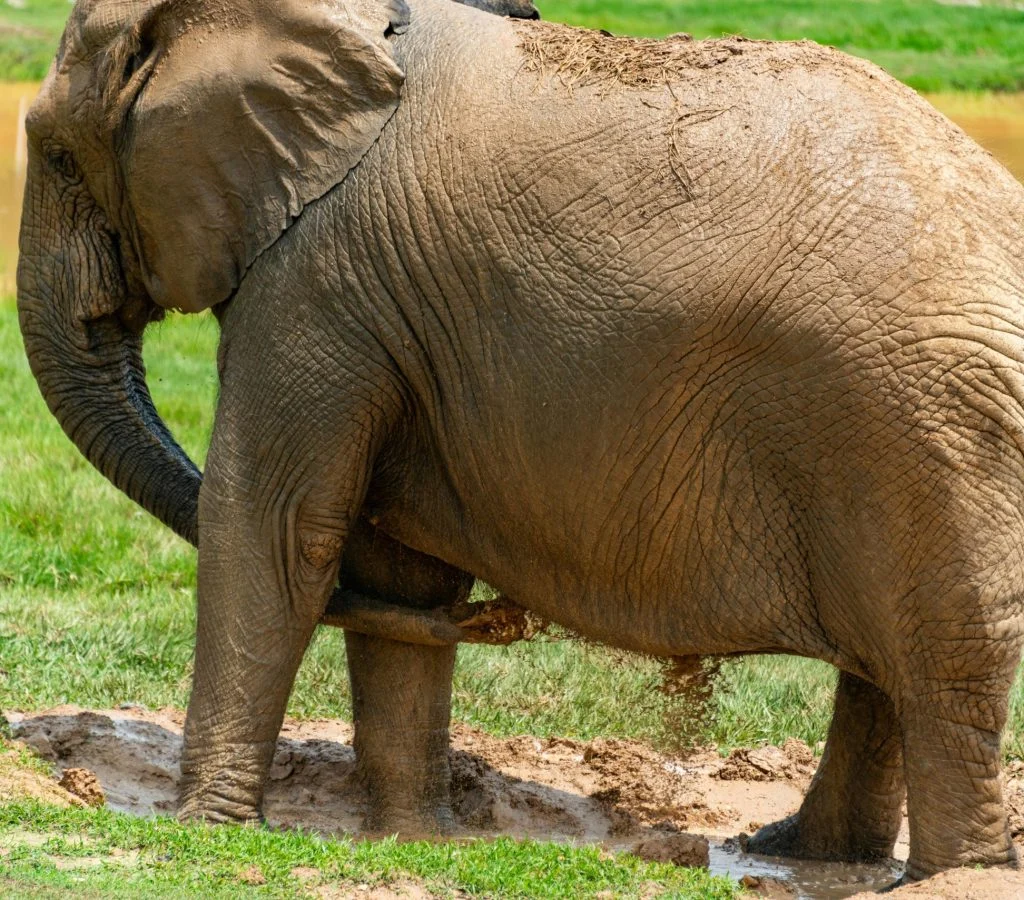
Elephant skin can become sensitive to sun exposure, insects, and dry environmental conditions. Wildlife researchers explain that dried mud creates a protective layer over the body.
This layer may help reduce irritation caused by biting insects and intense sunlight.
Elephant behavior facts also show that mud can help protect skin from dryness and environmental debris.
Water and Mud Sources Are Important Gathering Areas
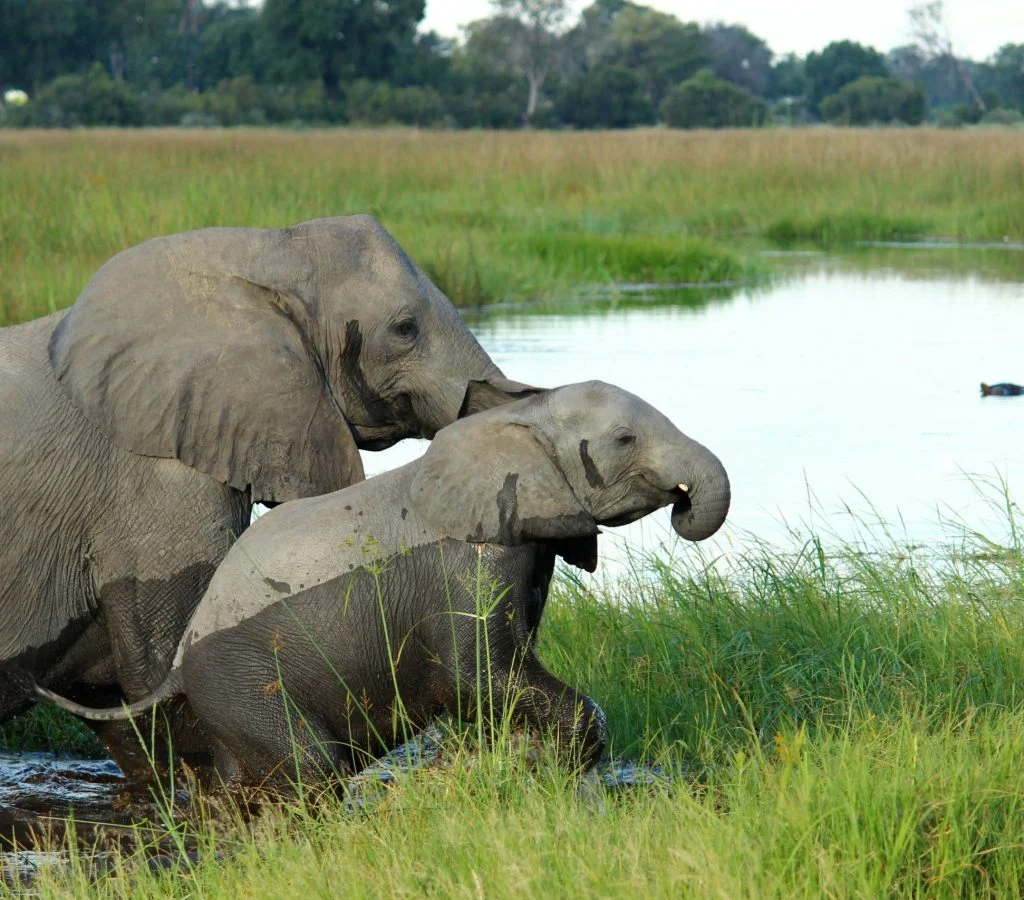
Rivers, watering holes, and muddy wetlands often become important social locations for elephant groups. Wildlife specialists explain that elephants may gather together near these resources during warm weather.
Young elephants frequently learn mud-bathing behavior by observing older herd members.
Researchers studying African elephant habits continue observing how social behavior develops within family groups.
Elephants Use Their Trunks to Spray Mud
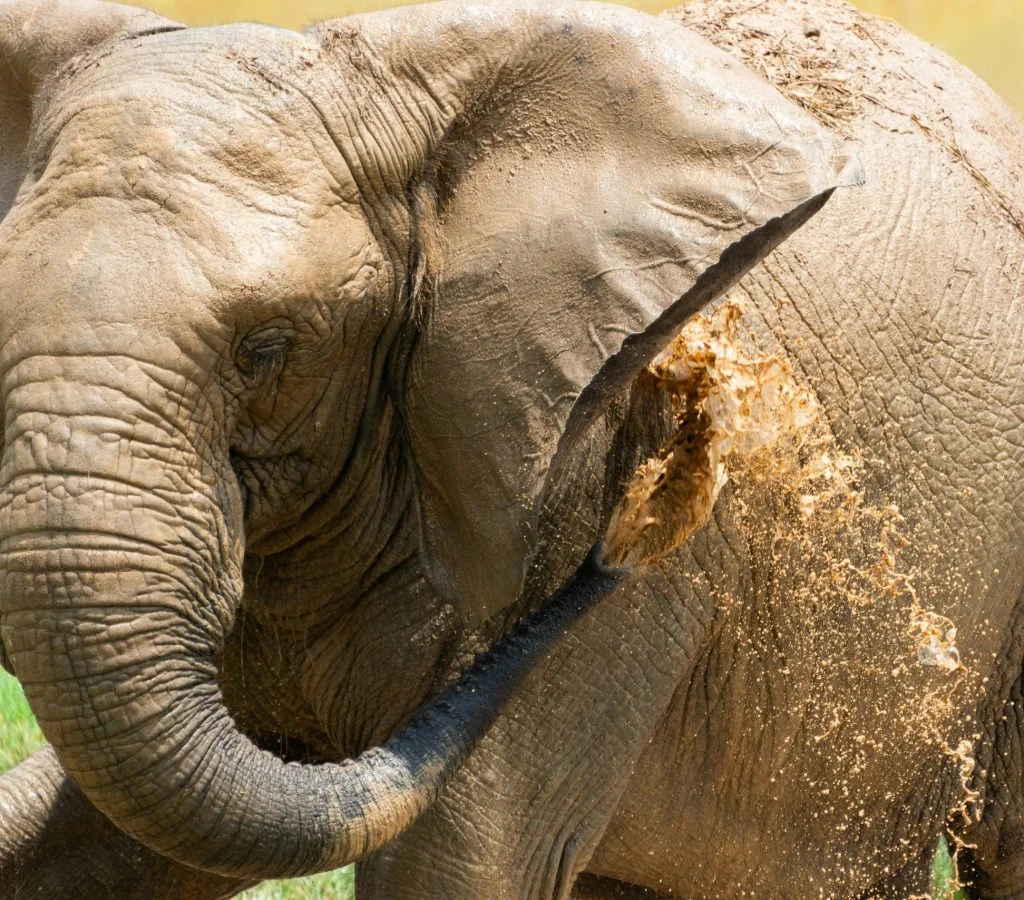
Elephants commonly collect mud or water with their trunks before spraying it across the body. Wildlife experts explain that trunks are highly flexible and capable of handling many different tasks.
In addition to feeding and drinking, trunks assist with communication, object handling, and environmental exploration.
Trunk coordination helps elephants efficiently apply cooling mud across hard-to-reach body areas.
Mud Bathing Often Happens During Hotter Hours
Wildlife researchers explain that elephants may spend more time near water and mud during hotter parts of the day.
Shade, water access, and cooling behavior become especially important in dry or open habitats.
Some elephants also use dust bathing after mud bathing, which may provide additional skin protection.
Elephants Play Important Ecosystem Roles
Elephants influence ecosystems by shaping vegetation, spreading seeds, and creating pathways through forests and grasslands.
Wildlife conservation researchers explain that large herbivores often contribute to biodiversity and habitat structure.
Water access areas used by elephants may also support many smaller wildlife species.
Habitat Protection Remains Important for Elephant Populations
Habitat fragmentation, drought conditions, and environmental pressure can affect elephant populations in some regions.
Conservation organizations continue supporting wildlife corridors, protected habitats, and ecosystem monitoring programs.
Experts studying why elephants use mud baths emphasize the importance of preserving healthy environments containing water sources and natural habitat diversity.
Frequently Asked Questions
Q: Why do elephants use mud baths?
A: Elephants use mud baths to cool the body, protect skin, and reduce irritation from insects and sunlight.
Q: How do elephants apply mud to their bodies?
A: Elephants use their trunks to spray mud and water across the skin.
Q: Why are watering holes important for elephants?
A: Watering holes provide drinking water, cooling areas, and social gathering locations for elephant groups.
Q: Do young elephants learn mud bathing behavior?
A: Yes. Young elephants often observe and copy behavior from older herd members.
Q: Why are elephants important for ecosystems?
A: Elephants help shape habitats, spread seeds, and support biodiversity in natural ecosystems.
Key Takeaway
Understanding why elephants use mud baths reveals how important behavioral adaptations are for wildlife survival in warm environments. Mud bathing helps elephants cool down, protect sensitive skin, and reduce insect irritation while supporting overall health. Wildlife researchers and conservation experts continue emphasizing the importance of protecting habitats that provide water access and environmental stability for elephant populations and biodiversity.