Kangaroos are among the most recognizable animals associated with Australia. These powerful marsupials are known for strong jumping ability, muscular tails, and unique methods of raising young offspring.
Wildlife researchers studying kangaroo facts continue discovering how these animals adapt to dry grasslands, forests, and open wilderness habitats. Their specialized movement and survival strategies make kangaroos one of the most fascinating mammals in the animal world.
1. Kangaroos Are Marsupials
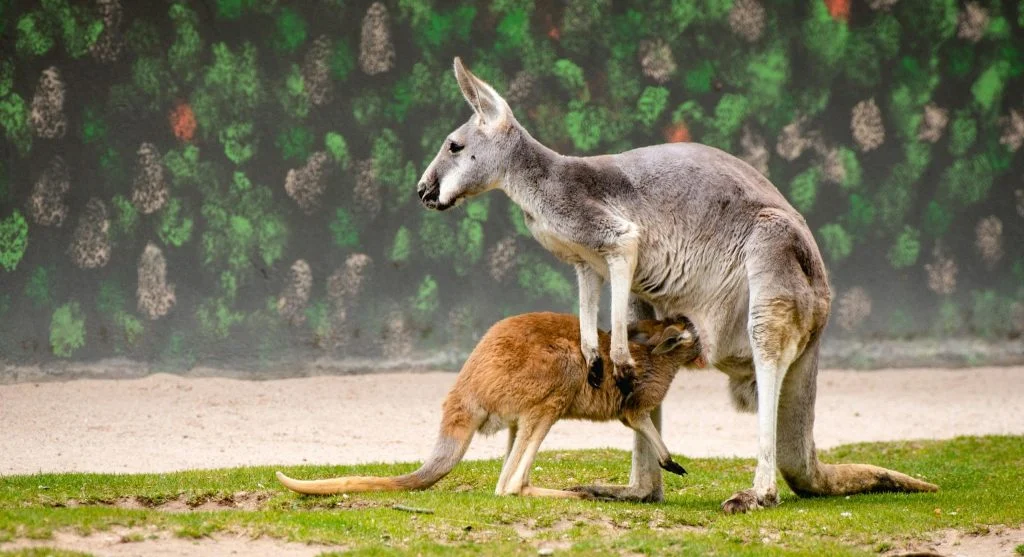
One of the most important kangaroo facts involves reproduction. Kangaroos are marsupials, meaning mothers carry developing young inside a pouch.
Wildlife experts explain that newborn kangaroos, often called joeys, continue growing safely inside the pouch after birth.
This adaptation helps protect vulnerable offspring during early development stages.
Credit: NinaLesley / Pexels
2. Kangaroos Travel Mainly by Jumping
Kangaroos use strong back legs and large feet for movement. Wildlife researchers explain that hopping allows kangaroos to travel efficiently across open landscapes.
Powerful leg muscles help kangaroos cover large distances while conserving energy.
Australian wildlife experts continue studying how kangaroo movement supports survival in dry habitats.
3. Their Tails Help With Balance and Support
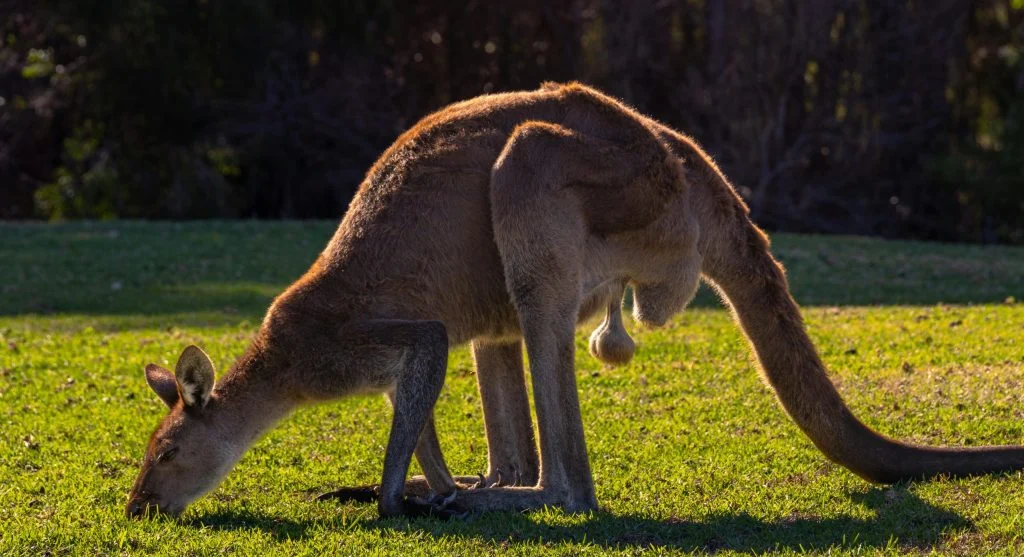
Another fascinating marsupial adaptation involves the kangaroo tail. Wildlife experts explain that tails help maintain balance while hopping and standing upright.
Kangaroos may also use tails for additional support while moving slowly or fighting.
Strong tails contribute significantly to overall movement stability.
4. Kangaroos Often Live in Social Groups
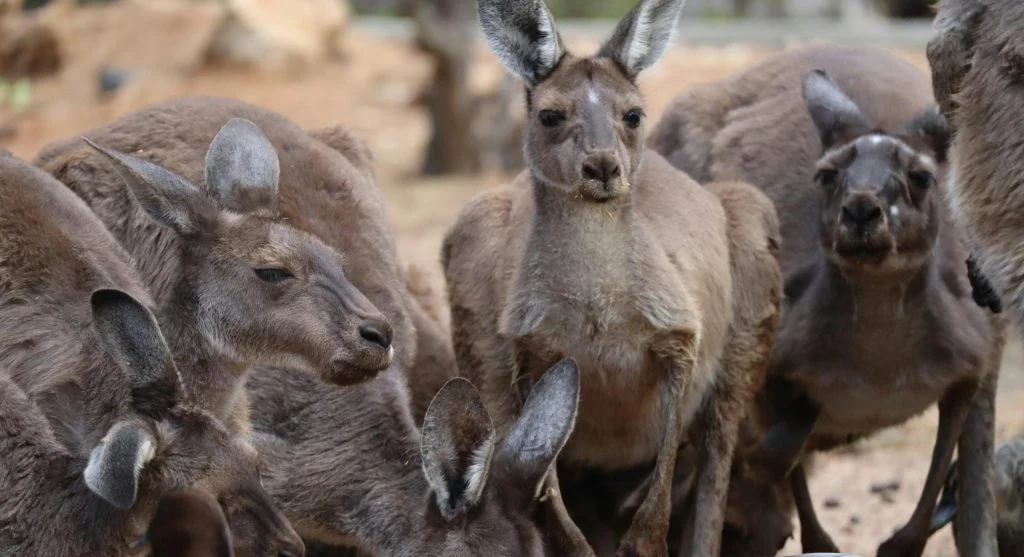
Many kangaroos gather in groups commonly called mobs. Wildlife specialists explain that group living may improve awareness of predators and environmental conditions.
Group size often depends on food availability, habitat conditions, and species.
Researchers studying kangaroo behavior continue examining communication and social interaction within mobs.
5. Kangaroos Can Adapt to Dry Conditions
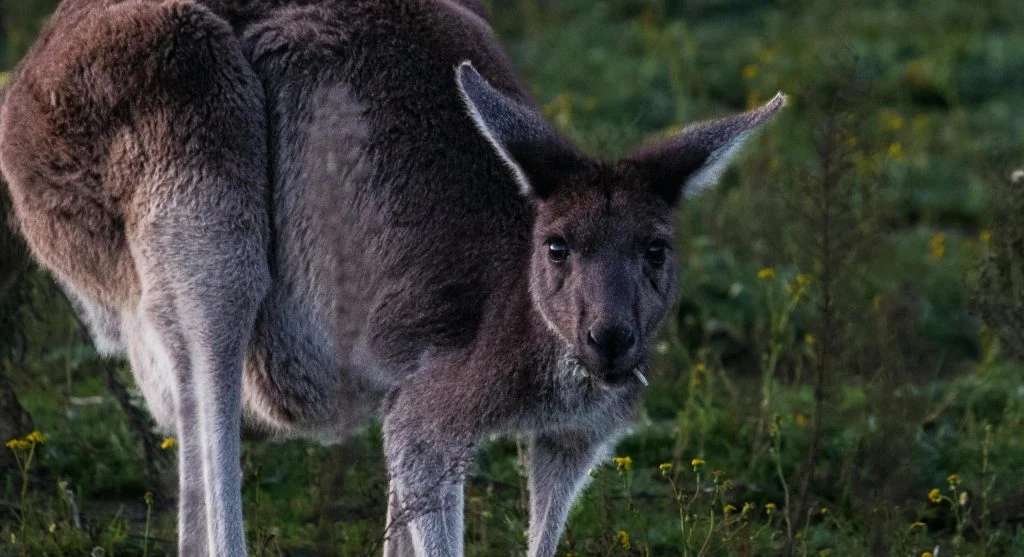
Australia contains many dry and semi-arid environments where water may become limited. Wildlife experts explain that kangaroos have several adaptations that help conserve moisture and survive warm conditions.
Activity patterns may also change depending on temperature and environmental conditions.
Some kangaroos become more active during cooler evening or nighttime hours.
Credit: Michelle Carrie / Pexels
6. Kangaroos Mainly Eat Plants
Kangaroos are herbivores that feed mainly on grasses, leaves, shrubs, and vegetation. Wildlife researchers explain that specialized digestive systems help process tough plant material.
Feeding behavior may change seasonally depending on rainfall and plant growth.
Healthy grassland ecosystems remain important for supporting kangaroo populations.
7. Kangaroos Can Defend Themselves When Threatened
Although kangaroos often avoid conflict, they can become defensive when threatened. Wildlife experts explain that strong legs and feet can be used during defensive behavior.
Kangaroos may also use tails for balance during kicking movements.
Outdoor visitors are encouraged to observe wildlife from safe distances without disturbing animals.
8. Habitat Protection Supports Australian Wildlife
Habitat loss, drought conditions, road activity, and environmental changes can affect wildlife populations in some regions.
Conservation organizations continue supporting habitat protection and biodiversity monitoring across Australian ecosystems.
Experts studying kangaroo facts emphasize the importance of preserving grasslands, forests, and natural migration areas for long-term wildlife health.
Credit: Michael Waddle / Pexels
Frequently Asked Questions
Q: Why are kangaroos called marsupials?
A: Kangaroos are marsupials because mothers carry developing young inside a pouch.
Q: How do kangaroos move?
A: Kangaroos mainly travel by hopping using powerful back legs and large feet.
Q: What do kangaroos eat?
A: Kangaroos mainly eat grasses, shrubs, leaves, and other plant material.
Q: Why do kangaroos have strong tails?
A: Tails help kangaroos maintain balance and provide support during movement.
Q: Where do kangaroos live?
A: Kangaroos live in grasslands, forests, bushlands, and open habitats across Australia.
Key Takeaway
These kangaroo facts highlight how specialized adaptations help marsupials survive in diverse Australian environments. Powerful jumping ability, strong tails, pouch development, and dry-climate adaptations all support kangaroo survival. Wildlife researchers and conservation groups continue emphasizing the importance of protecting Australian habitats that support kangaroos and broader biodiversity.