Animal tracks provide valuable clues about wildlife activity in forests, grasslands, wetlands, mountains, and snowy landscapes. Outdoor visitors often discover footprints near rivers, muddy trails, sandy shorelines, or soft soil after rainfall.
Wildlife researchers explain that learning how to identify animal tracks can improve outdoor awareness and help visitors better understand local ecosystems. Tracking also encourages careful observation of animal movement and habitat behavior without disturbing wildlife directly.
Why Animal Tracks Matter in Wildlife Observation
Tracks reveal where animals travel, feed, rest, or search for water. Wildlife experts explain that footprints can help identify species that remain difficult to observe directly.
Animal footprint identification also helps researchers study wildlife movement patterns and habitat use.
Fresh tracks may appear after rain, snowfall, or early morning conditions when ground surfaces remain soft.

Credit: François Noverraz / Pexels
Look for Tracks in Soft Ground Areas
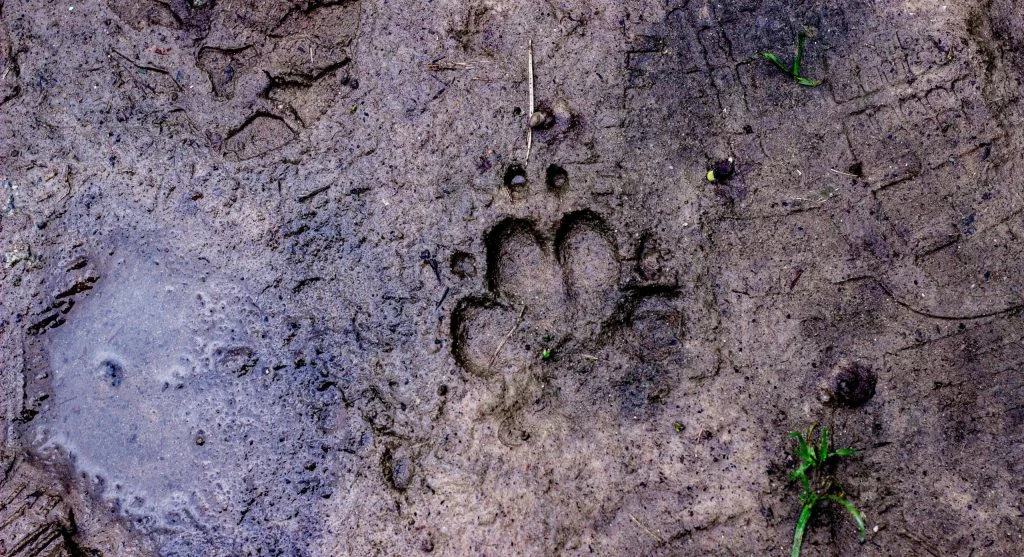
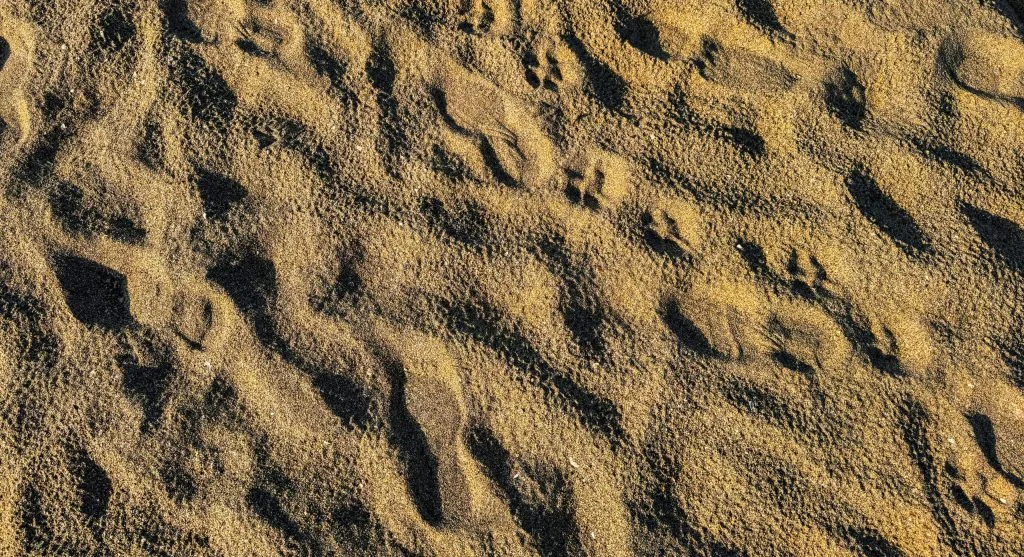
One of the best wildlife tracking tips involves checking areas where tracks remain visible longer. Mud, sand, snow, and damp soil often capture clear animal impressions.
Wildlife researchers explain that riverbanks, forest trails, wetlands, and lakeshores commonly contain visible tracks.
Morning walks after rain or overnight snowfall may improve tracking opportunities.
Observe Track Shape Carefully
Different animals leave different footprint shapes. Wildlife experts explain that hoofed animals, mammals with claws, birds, and reptiles all produce unique track patterns.
Track size, toe count, claw marks, and overall shape may help narrow species identification.
Animal footprint identification guides often compare tracks side by side for easier recognition.
Notice the Spacing Between Footprints
Track spacing can reveal how animals move through habitats. Some animals walk slowly, while others hop, run, or climb.
Wildlife researchers explain that stride length and movement patterns may indicate speed, size, and behavior.
Grouped tracks may also suggest herd movement or repeated use of wildlife trails.
Search for Additional Wildlife Clues Nearby
Animal tracks are often accompanied by other environmental signs. Broken plants, fur, feathers, feeding marks, nests, or droppings may all help identify nearby species.
Wildlife tracking specialists explain that combining several clues improves observation accuracy.
Outdoor visitors should avoid disturbing natural evidence while exploring wildlife habitats.
Credit: Hakan Kayahan / Pexels
Use Field Guides or Wildlife Apps Carefully
Field guides and wildlife identification apps may help compare tracks with known species. Wildlife experts explain that local habitat knowledge improves tracking success.
Regional wildlife guides often include common species found in nearby ecosystems.
Researchers continue using tracking techniques alongside cameras and environmental monitoring tools.
Respect Wildlife While Tracking Outdoors
Outdoor nature walks should prioritize wildlife safety and habitat protection. Visitors should avoid following animals too closely or disturbing nesting areas.
Wildlife experts recommend staying on trails whenever possible and observing tracks without damaging habitats.
Responsible wildlife observation supports healthier ecosystems and safer outdoor experiences.
Weather Conditions Affect Track Visibility
Rain, snow, wind, and sunlight may change how long tracks remain visible. Wildlife researchers explain that fresh tracks usually appear clearer than older impressions.
Snowy landscapes often provide excellent tracking opportunities because footprints stand out against bright surfaces.
Dry conditions may make tracks more difficult to detect in some habitats.
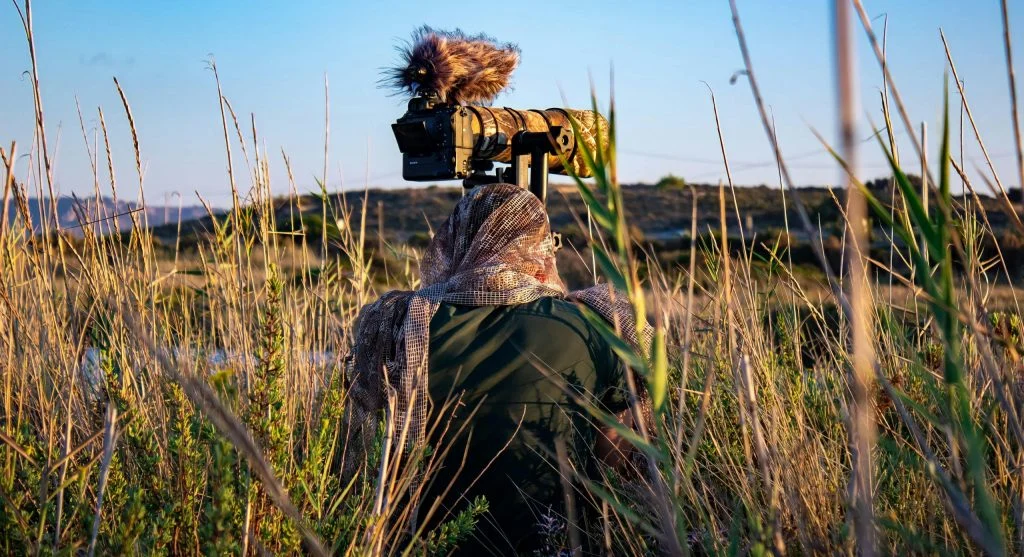
Credit: Angelo Martucci / Pexels
Frequently Asked Questions
Q: Where are animal tracks easiest to find?
A: Animal tracks are easiest to find in mud, snow, sand, or damp soil near trails and water sources.
Q: What can tracks reveal about wildlife?
A: Tracks may show movement patterns, feeding activity, species type, and habitat use.
Q: Why is track spacing important?
A: Spacing can reveal how animals move, including walking, hopping, or running behavior.
Q: Can weather affect wildlife tracks?
A: Yes. Rain, snow, sunlight, and wind can change how visible tracks remain over time.
Q: How can visitors track wildlife responsibly?
A: Visitors should stay on trails, avoid disturbing habitats, and observe wildlife signs respectfully.
Key Takeaway
Learning how to identify animal tracks helps outdoor visitors better understand wildlife behavior and natural ecosystems. Footprints, movement patterns, and nearby environmental clues provide valuable information about animals living in forests, wetlands, grasslands, and mountain habitats. Wildlife experts continue encouraging respectful wildlife tracking practices that support conservation awareness and responsible outdoor exploration.