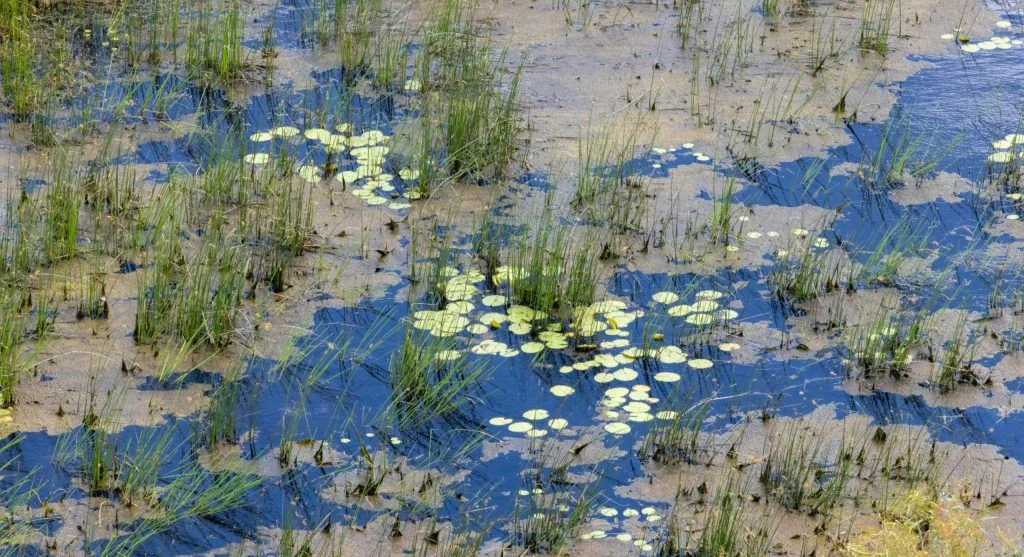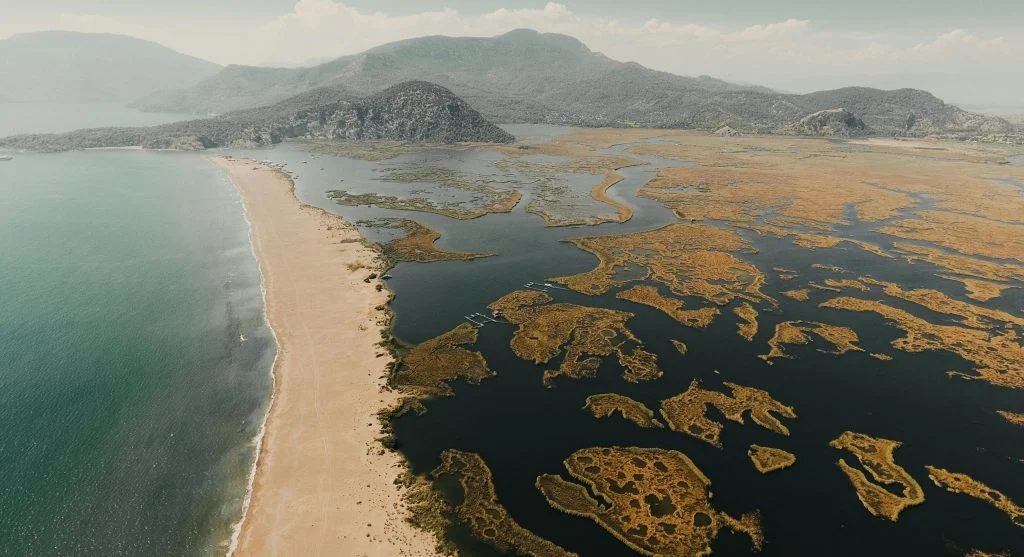
National parks protect some of the most valuable natural environments on Earth. Forests, mountains, wetlands, deserts, grasslands, and coastal ecosystems within protected areas support wildlife populations and preserve important biodiversity.
Researchers studying why national parks are important explain that protected landscapes help maintain ecosystem balance, support conservation programs, and provide safe habitats for wildlife species. National parks also create opportunities for scientific research, outdoor education, and nature tourism.
National Parks Protect Wildlife Habitats
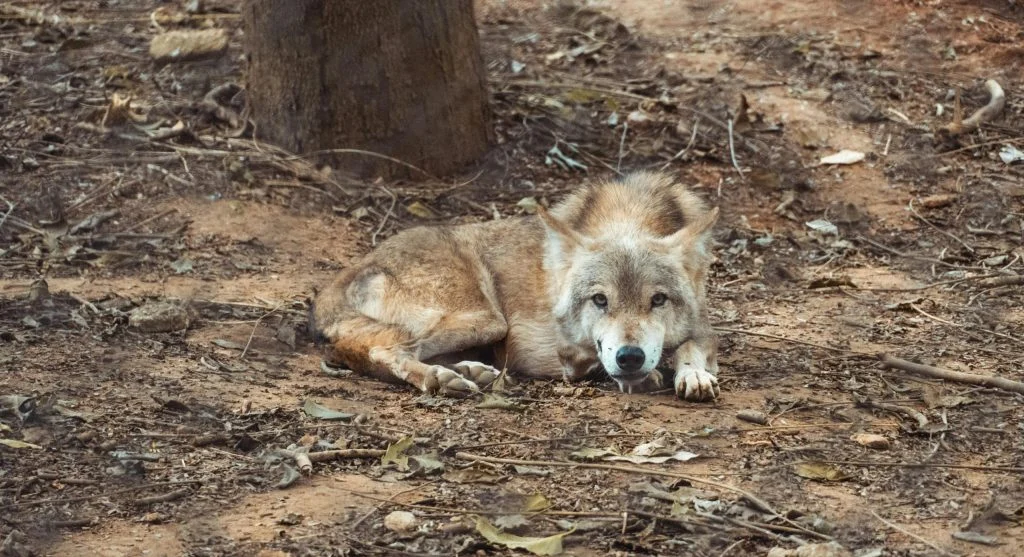
One major reason why national parks are important involves habitat protection. Wildlife experts explain that protected areas help preserve forests, rivers, grasslands, wetlands, and mountain ecosystems used by countless species.
Many animals depend on stable habitats for feeding, migration, shelter, and breeding activity.
Protected natural habitats also reduce environmental disturbance in sensitive ecosystems.
Credit: Suhas Hanjar / Pexels
Protected Areas Help Maintain Biodiversity
National parks often contain diverse ecosystems supporting plants, insects, birds, mammals, reptiles, amphibians, and aquatic species.
Wildlife researchers explain that biodiversity strengthens ecosystem stability and environmental resilience.
Healthy food chains and balanced predator-prey relationships depend on functioning habitats.
National Parks Support Scientific Research
Researchers use protected areas to study wildlife behavior, migration patterns, ecosystem health, and environmental change.
Wildlife conservation areas provide opportunities for long-term biodiversity monitoring and scientific observation.
Research findings often help improve conservation planning and habitat management programs.
Migration Routes May Cross Protected Landscapes
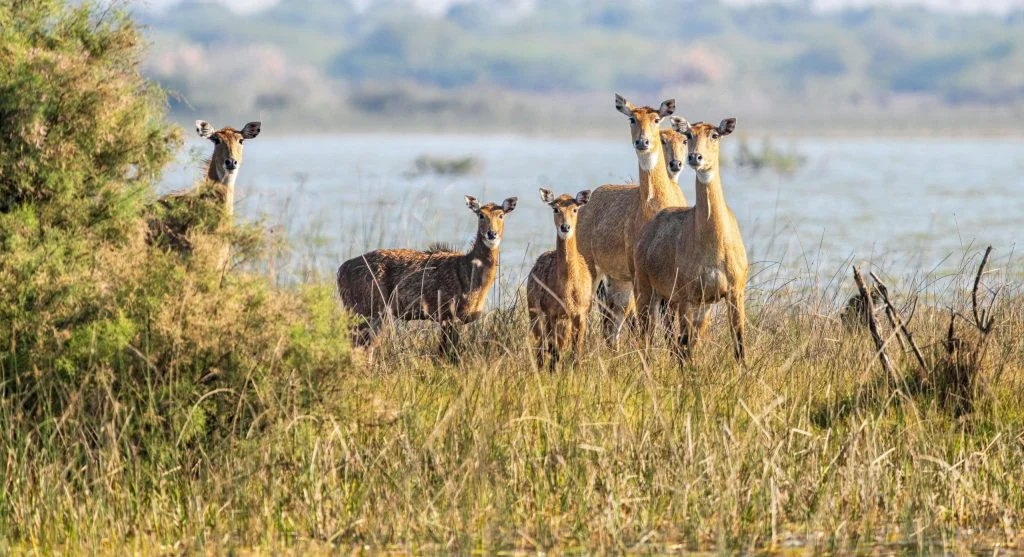
Many migratory birds and mammals depend on national parks during seasonal travel periods. Wildlife experts explain that protected habitats may provide important feeding, resting, and breeding areas.
Large connected ecosystems help support safer migration pathways for wildlife populations.
Conservation organizations continue monitoring migration activity across protected regions.
Credit: Abhishek Navlakha / Pexels
National Parks Support Environmental Education
Protected areas often provide opportunities for outdoor learning, wildlife observation, and environmental awareness programs.
Wildlife experts explain that public understanding of ecosystems may improve through responsible outdoor experiences.
Nature education also encourages long-term support for biodiversity conservation.
Tourism Can Help Support Conservation Efforts
Responsible nature tourism may help support park management, conservation programs, and local economies.
Wildlife researchers explain that carefully managed tourism can increase awareness about habitat protection and biodiversity importance.
Visitors are encouraged to follow park guidelines and avoid disturbing wildlife habitats.
Environmental Challenges Still Affect Protected Areas
Climate conditions, pollution, invasive species, and habitat fragmentation may still affect ecosystems inside and outside national parks.
Conservation organizations continue supporting habitat restoration and environmental monitoring programs.
Researchers studying why national parks are important emphasize the need for long-term biodiversity protection and sustainable ecosystem management.
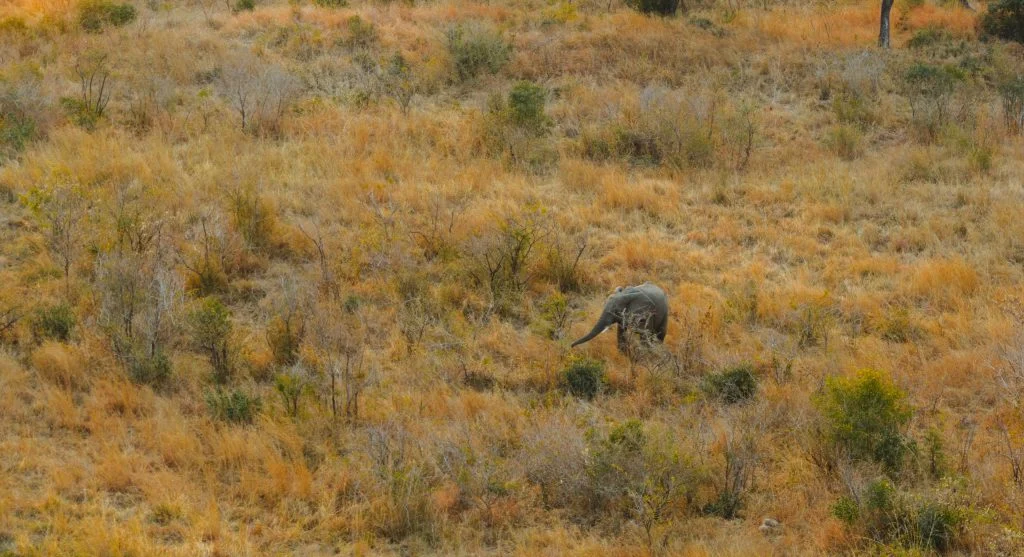
Credit: K / Pexels
Frequently Asked Questions
Q: Why are national parks important for wildlife?
A: National parks protect habitats used for feeding, breeding, shelter, and migration.
Q: How do national parks help biodiversity?
A: Protected ecosystems support diverse species and balanced food chains.
Q: Why are migration routes important in national parks?
A: Protected habitats provide safe feeding and resting areas during migration.
Q: Can tourism support conservation?
A: Responsible tourism may help support conservation funding and environmental education.
Q: What challenges affect national parks?
A: Pollution, habitat fragmentation, climate conditions, and invasive species may affect ecosystems.
Key Takeaway
Understanding why national parks are important highlights the major role protected areas play in wildlife conservation and biodiversity protection. National parks preserve habitats, support scientific research, and provide safer environments for countless species across ecosystems worldwide. Wildlife researchers and conservation organizations continue emphasizing the importance of maintaining protected natural areas and supporting long-term ecosystem conservation efforts.