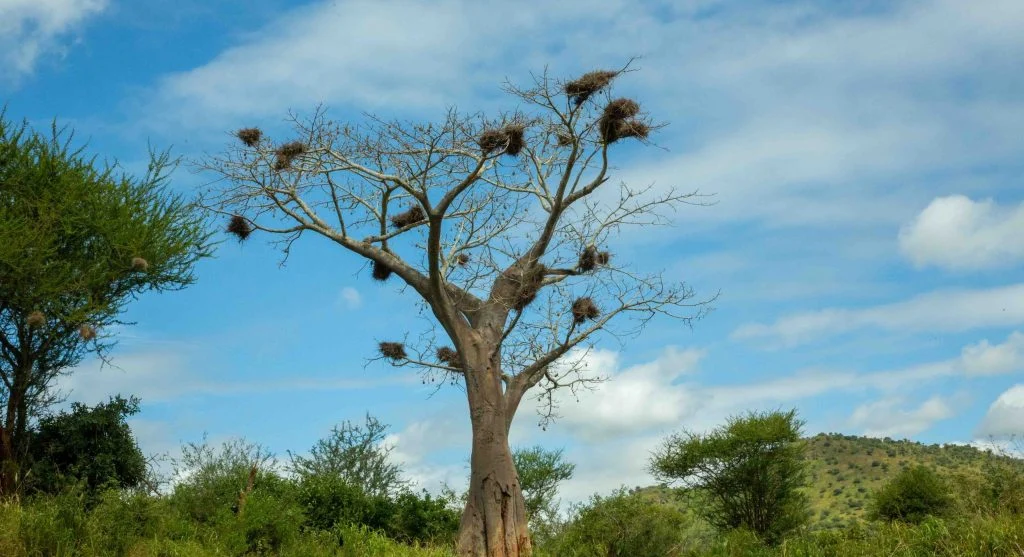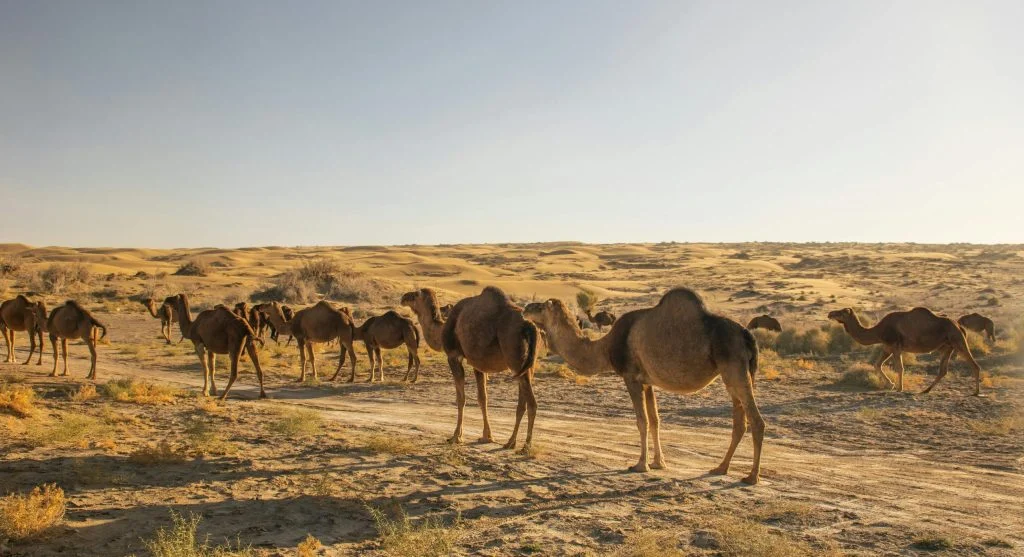
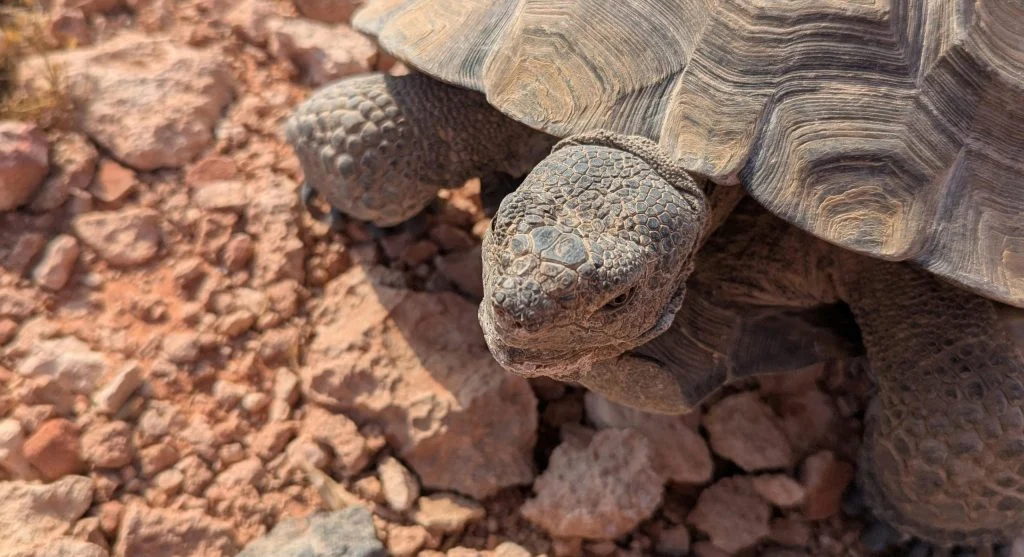
Deserts are among the harshest environments on Earth. High temperatures, limited rainfall, dry winds, and intense sunlight create difficult survival conditions for wildlife living in these ecosystems.
Researchers studying how desert animals find water explain that many species survive through remarkable behavioral and physical adaptations. Desert wildlife often depends on conserving moisture, locating hidden water sources, and avoiding extreme daytime heat.
Some Desert Animals Get Water From Food
One important survival strategy involves obtaining moisture directly from food sources. Wildlife experts explain that many desert animals eat insects, plants, seeds, or smaller animals containing water.
This reduces the need to locate open water frequently.
Desert ecosystem animals often survive using highly efficient feeding adaptations.
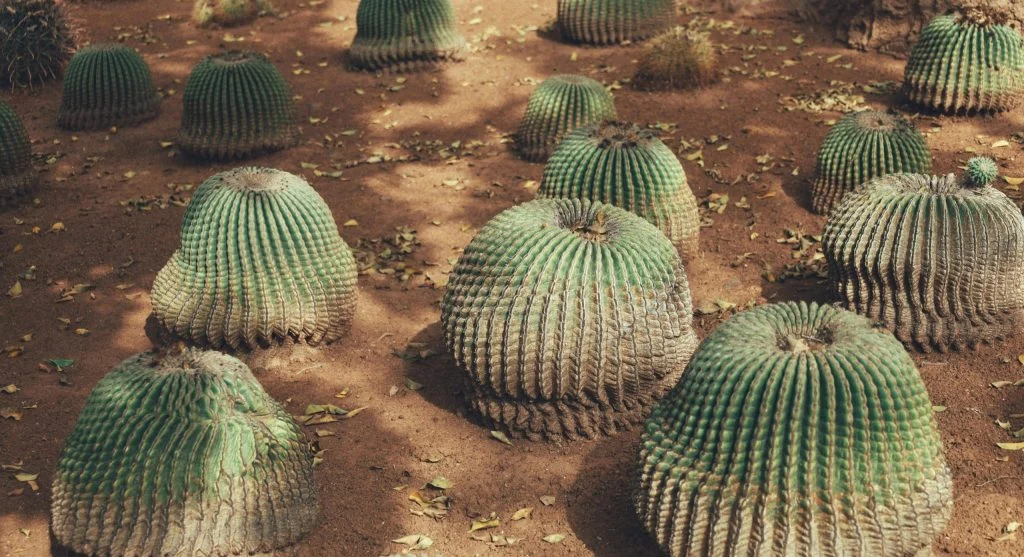
Nocturnal Behavior Helps Reduce Water Loss
Many desert species remain active mostly at night when temperatures become cooler.
Wildlife researchers explain that nighttime activity helps reduce dehydration and heat stress.
Nocturnal behavior remains common among desert mammals, reptiles, and insects.
Burrows Provide Cooler Underground Shelter
Desert animals often avoid direct sunlight by hiding underground during the hottest hours of the day.
Wildlife experts explain that underground burrows may remain cooler and more humid compared with surface conditions.
Temperature management is critical for desert survival.
Some Animals Can Survive Long Periods Without Drinking
Certain desert species possess highly efficient kidneys and body systems that conserve moisture.
Researchers studying arid climate adaptations explain that some animals produce very concentrated waste to reduce water loss.
Biological efficiency remains important in extremely dry ecosystems.
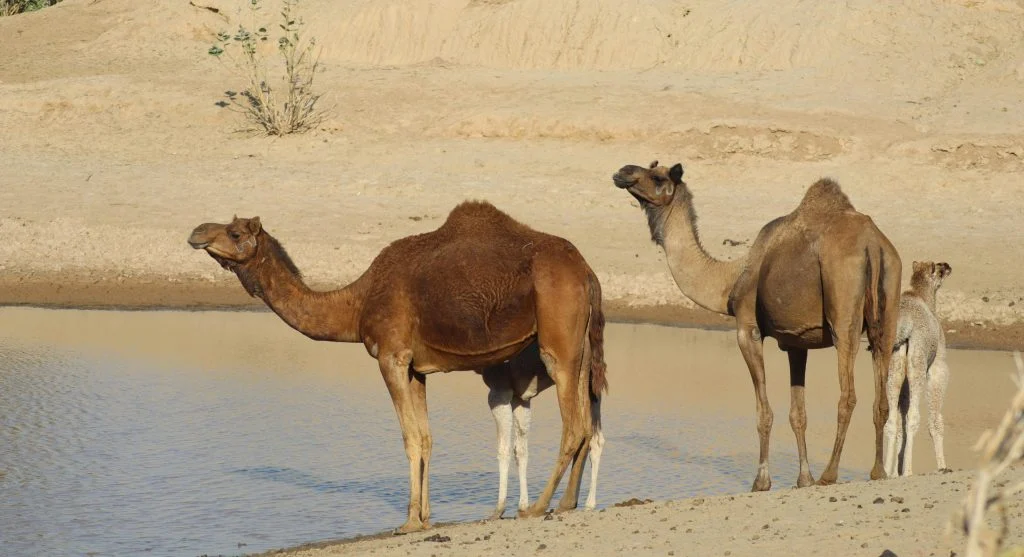
Large Ears May Help Release Heat
Some desert mammals possess large ears that help release body heat more efficiently.
Wildlife researchers explain that heat control may reduce the need for excessive sweating or water loss.
Body structure often reflects environmental adaptation.
Desert Rainfall Creates Temporary Water Sources
Although rainfall is limited, storms may occasionally create temporary pools and seasonal wetlands.
Wildlife specialists explain that many desert species quickly take advantage of short-lived water availability.
Rainfall patterns strongly influence desert ecosystem activity.
Climate Conditions Can Affect Desert Ecosystems
Environmental changes may influence rainfall patterns, vegetation growth, and wildlife movement across desert regions.
Researchers studying how desert animals find water continue monitoring biodiversity and habitat conditions worldwide.
Conservation organizations emphasize the importance of protecting fragile desert ecosystems and wildlife habitats.
Frequently Asked Questions
Q: How do desert animals find water?
A: Many desert animals obtain moisture from food or temporary water sources.
Q: Why are many desert animals nocturnal?
A: Nighttime activity helps reduce heat exposure and dehydration.
Q: How do desert animals avoid extreme heat?
A: Many species use burrows, shade, and nighttime movement for protection.
Q: Can desert animals survive without drinking water?
A: Some species can survive long periods by conserving moisture efficiently.
Q: Why are desert ecosystems important?
A: Desert ecosystems support unique biodiversity and specialized wildlife species.
Key Takeaway
Understanding how desert animals find water highlights the remarkable survival strategies wildlife develops in harsh environments. Nocturnal behavior, moisture conservation, underground shelter, and specialized feeding habits all help desert species survive with limited water resources. Researchers and conservation organizations continue studying desert biodiversity and emphasizing the importance of protecting fragile arid ecosystems worldwide.