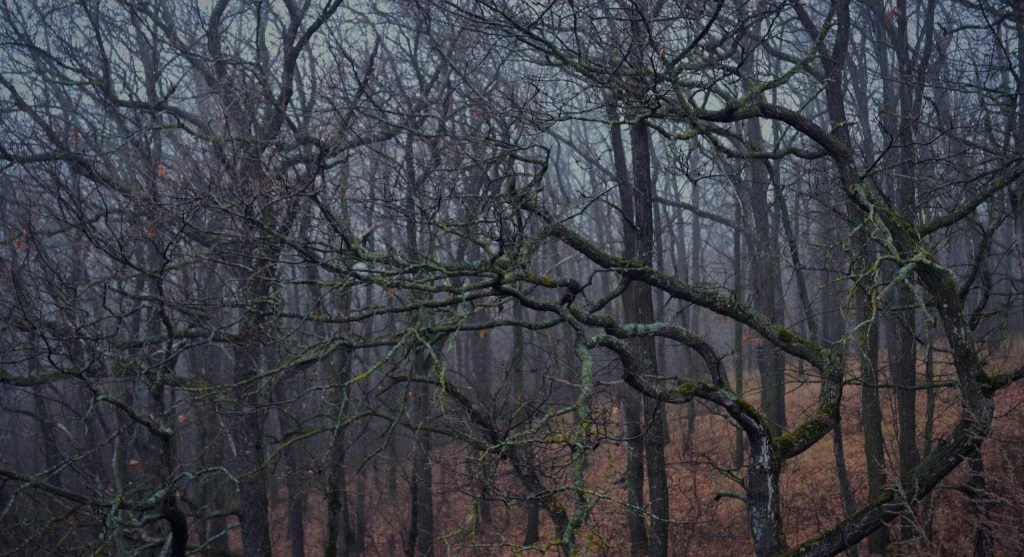
Forests constantly produce natural sounds created by birds, insects, wind, leaves, and wildlife movement. However, many outdoor visitors notice that forest environments often seem quieter or acoustically different shortly before rainfall arrives.
Researchers studying why forests sound different before rain explain that changes in air pressure, humidity, animal behavior, and wind patterns may all influence the atmosphere inside forest ecosystems. Wildlife often reacts to approaching weather conditions before rainfall becomes visible.
Bird Activity May Change Before Rainstorms
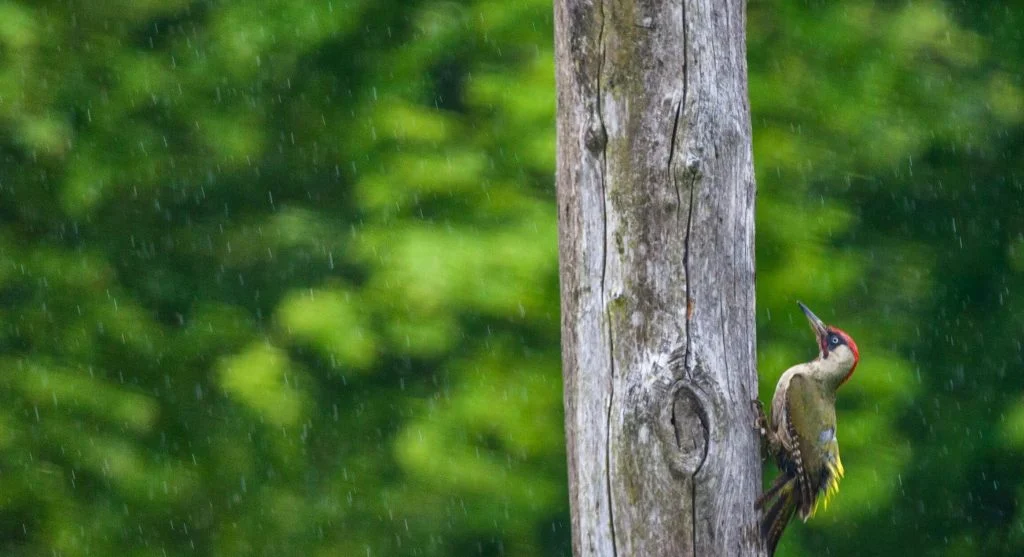
One important reason forests sound different before rain involves bird behavior. Wildlife experts explain that some bird species reduce vocal activity as weather conditions shift.
Changes in air pressure and approaching storms may influence movement and communication.
Forest sound patterns often depend heavily on wildlife activity levels.
Humidity Can Affect Forest Acoustics
Researchers studying forest ecosystem sounds explain that rising humidity may influence how sound travels through the environment.
Moist air conditions sometimes make forests feel quieter or heavier before storms.
Weather patterns can influence natural outdoor acoustics.
Wind Patterns Often Shift Before Rain
Approaching rain systems commonly bring changes in wind direction and airflow.
Wildlife researchers explain that moving leaves, branches, and vegetation may create different background sounds as storms approach.
Forest environments constantly respond to atmospheric conditions.
Some Wildlife Species Seek Shelter Early
Many animals react to weather changes before rainfall begins.
Wildlife experts explain that insects, mammals, reptiles, and birds may reduce movement while seeking shelter during approaching storms.
Lower wildlife activity can make forests seem unusually quiet.

Insects Often Respond Quickly to Weather Changes
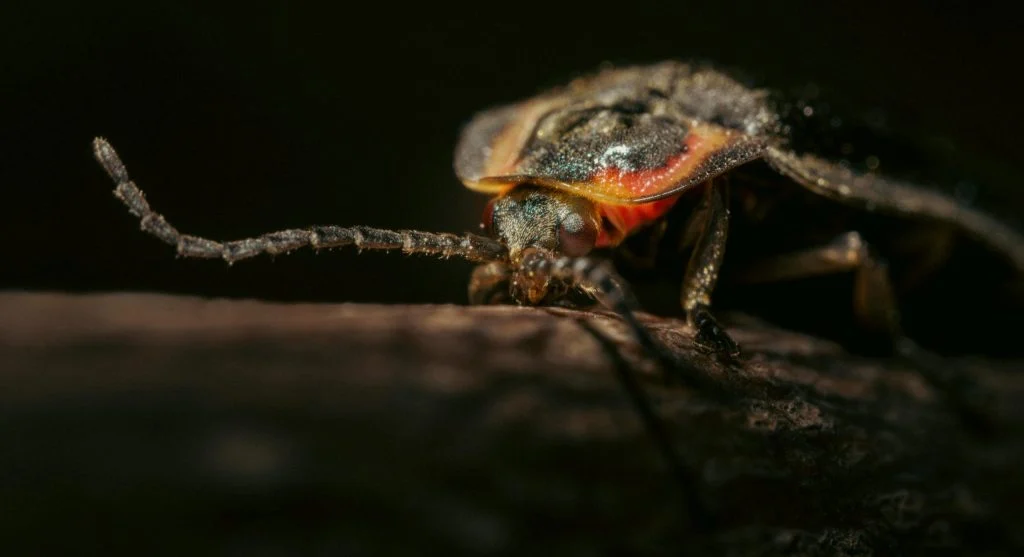
Insects contribute heavily to natural forest soundscapes during warmer seasons.
Researchers explain that some insects reduce activity when humidity rises or storms approach.
Changes in insect sounds may noticeably affect overall forest noise.
Rainfall Plays an Important Role in Forest Ecosystems
Rain supports plant growth, freshwater availability, and biodiversity throughout forest habitats.
Wildlife specialists explain that many ecosystems depend on seasonal rainfall patterns for long-term stability.
Water cycles strongly influence wildlife behavior and habitat conditions.
Researchers Continue Studying Weather and Wildlife Connections
Scientists studying wildlife weather behavior continue examining how animals respond to atmospheric changes and environmental signals.
Understanding these patterns may help improve ecosystem research and biodiversity monitoring.
Healthy forests remain important for wildlife populations and climate balance worldwide.
Frequently Asked Questions
Q: Why do forests seem quieter before rain?
A: Wildlife activity, humidity, and wind changes may alter forest sound patterns before rain.
Q: Can animals sense approaching storms?
A: Many animals react to changing air pressure and weather conditions before rainfall arrives.
Q: How does humidity affect forest sounds?
A: Humid air may change how sound travels through forest environments.
Q: Why do insects become quieter before rain?
A: Some insects reduce activity when storms or rising humidity approach.
Q: Why is rainfall important for forests?
A: Rain supports plant growth, freshwater cycles, and ecosystem biodiversity.
Key Takeaway
Understanding why forests sound different before rain highlights the close connection between wildlife behavior, weather patterns, and ecosystem activity. Changes in humidity, bird calls, insect movement, and atmospheric conditions all contribute to shifting forest soundscapes before storms arrive. Researchers continue studying these environmental patterns to better understand biodiversity and the complex relationships within natural ecosystems.