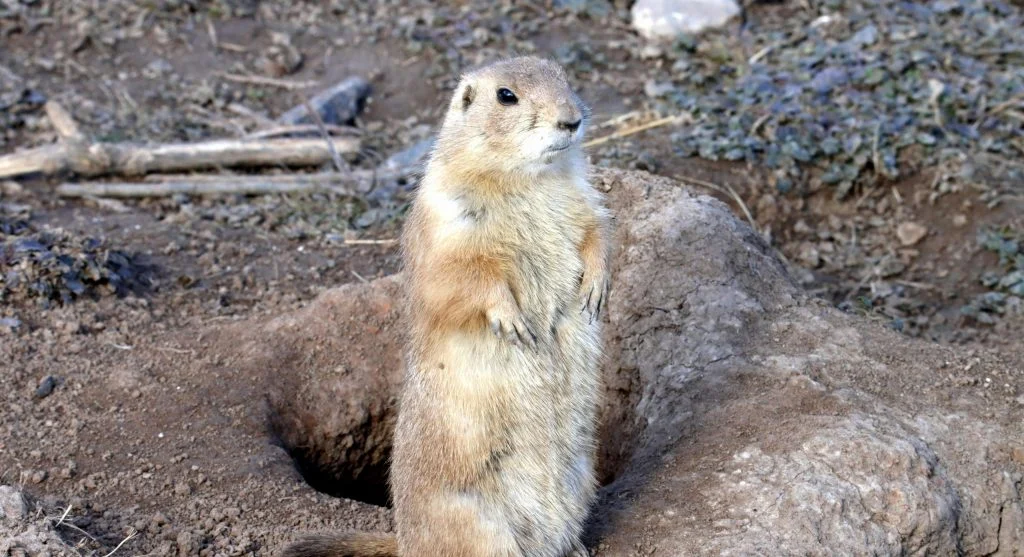
Prairie dogs are small burrowing mammals that live throughout grassland ecosystems in parts of North America. Although they resemble ground squirrels, prairie dogs are known for creating enormous underground colonies that can stretch across large areas of open prairie.
Researchers studying why prairie dogs build underground towns explain that these complex tunnel systems provide protection, shelter, and social living opportunities. Their engineering activities also influence many other wildlife species that share grassland habitats.
Underground Tunnels Help Protect Against Predators
One major reason why prairie dogs build underground towns is safety.
Wildlife experts explain that tunnels provide quick escape routes from predators such as hawks, coyotes, foxes, and badgers.
Multiple entrances allow prairie dogs to reach shelter rapidly when danger appears.
Prairie Dogs Live in Social Family Groups
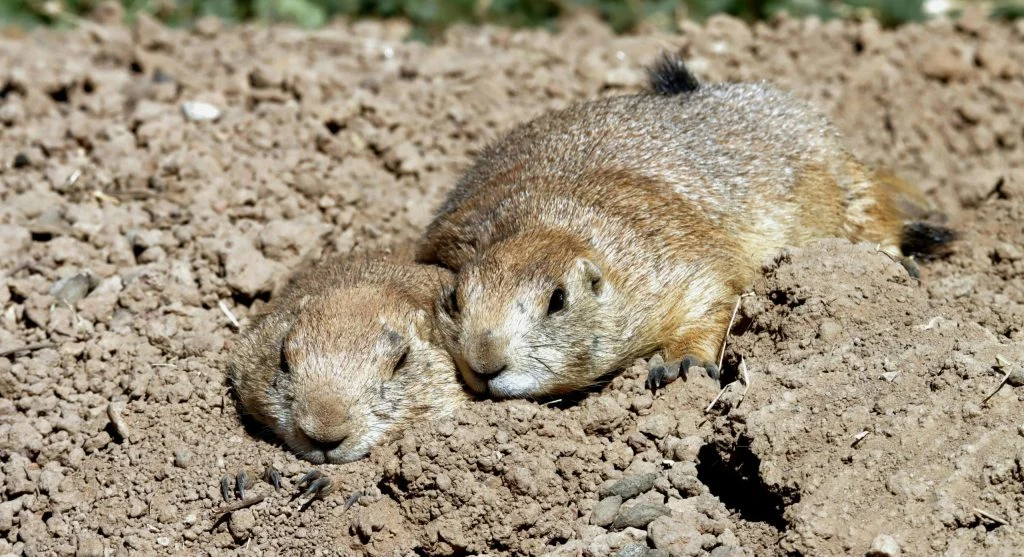
Researchers explain that prairie dogs are highly social animals.
Family groups often share sections of larger colonies while communicating through vocal calls and body movements.
Social behavior helps coordinate warning systems and daily activities.
Special Alarm Calls Warn Nearby Colonies
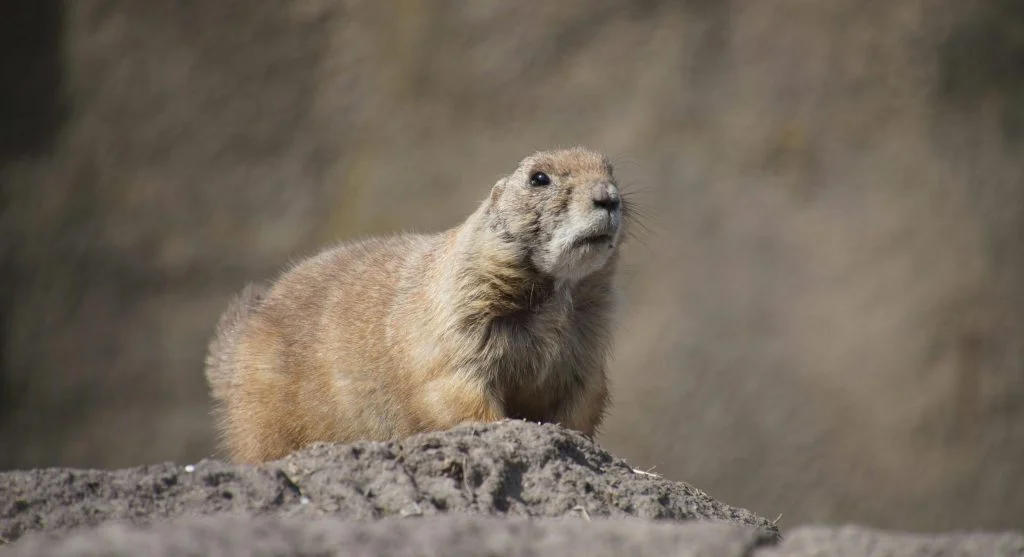
Prairie dogs are famous for producing warning calls when predators approach.
Wildlife researchers studying prairie dog behavior explain that different sounds may communicate information about threats.
Communication plays an important role in colony survival.
Burrows Help Regulate Temperature
Grassland environments can experience hot summers and cold winters.
Underground tunnels often provide more stable temperatures than surface conditions.
This helps prairie dogs remain protected from extreme weather.
Prairie Dog Towns Benefit Other Wildlife
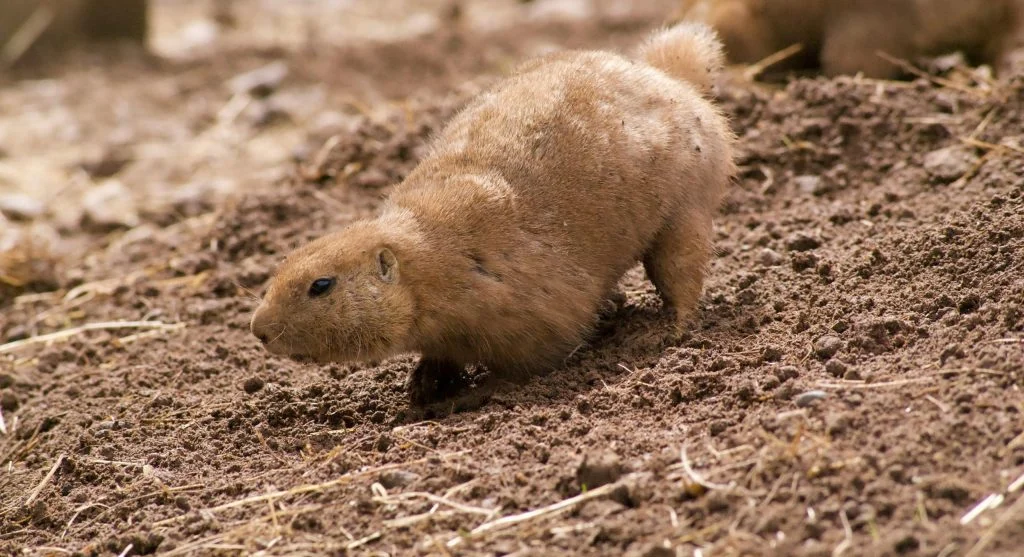
Scientists often describe prairie dogs as important ecosystem engineers.
Their burrows may provide shelter opportunities for reptiles, insects, birds, and small mammals.
Habitat creation can increase biodiversity across grassland ecosystems.
Grasslands Depend on Healthy Wildlife Communities
Prairie ecosystems support many interconnected species that depend on open habitats.
Researchers explain that maintaining biodiversity helps ecosystems remain balanced and resilient.
Prairie dogs contribute to this ecological network.
Conservation Supports Native Grassland Habitats
Researchers continue studying why prairie dogs build underground towns while monitoring grassland biodiversity and habitat health.
Conservation organizations emphasize the importance of protecting native prairie ecosystems.
Healthy grasslands provide habitat for countless wildlife species.
Frequently Asked Questions
Q: Why do prairie dogs build underground towns?
A: Underground towns provide shelter, safety, and space for social living.
Q: What are prairie dog towns?
A: Prairie dog towns are large networks of interconnected underground burrows.
Q: How do prairie dogs warn each other about danger?
A: Prairie dogs use alarm calls and other communication signals.
Q: Do other animals use prairie dog burrows?
A: Yes. Several wildlife species may use abandoned or shared burrows.
Q: Why are grasslands important?
A: Grasslands support diverse wildlife communities and ecosystem health.
Key Takeaway
Prairie dogs are remarkable ecosystem engineers whose underground towns provide shelter, protection, and social living opportunities. Their colonies influence grassland biodiversity and create habitats used by many other species. Understanding prairie dog behavior highlights the importance of protecting healthy grassland ecosystems and the wildlife communities they support.