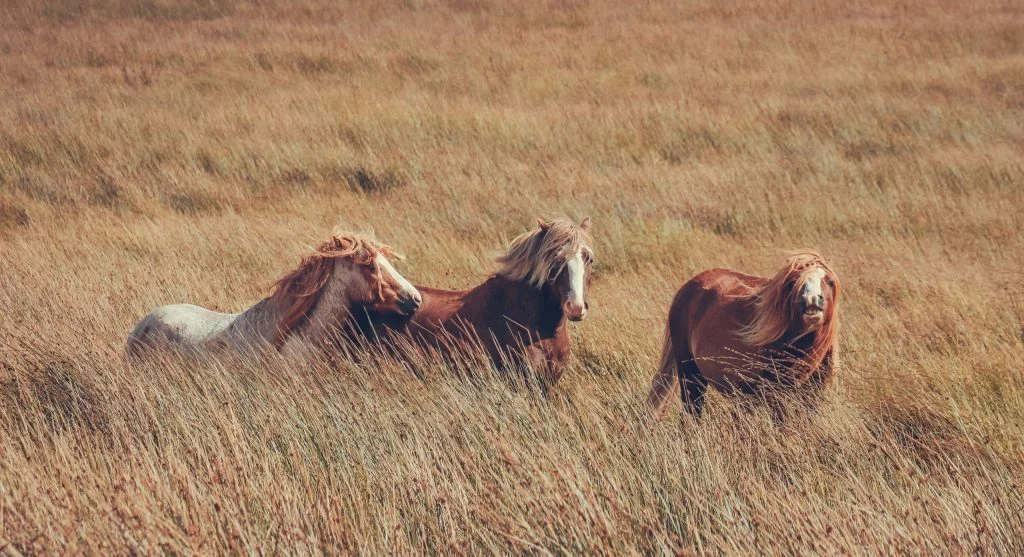
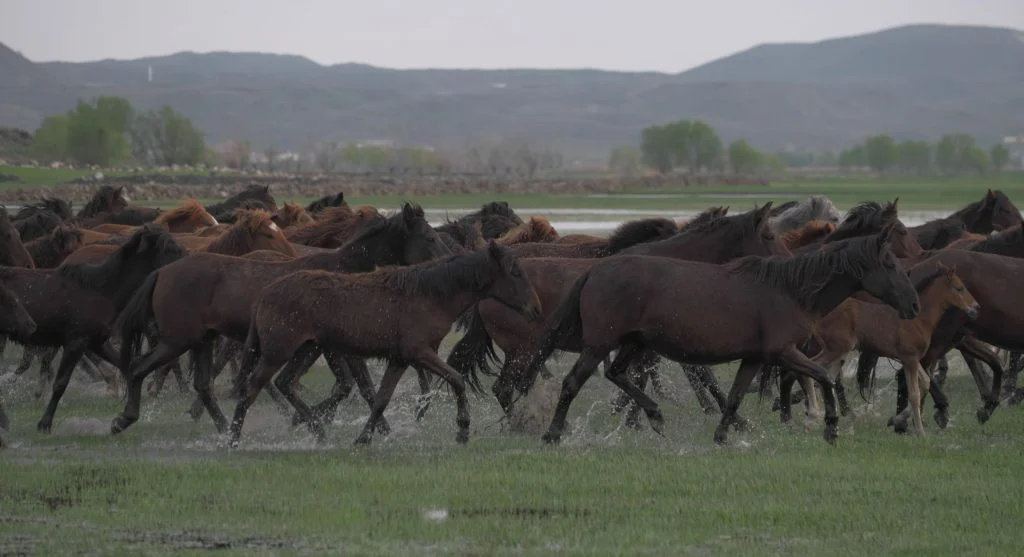
Wild horses are among the most recognizable animals found in open landscapes. Across rolling grasslands, dry deserts, and rugged terrain, these powerful mammals often live in closely connected social groups called bands. Unlike many animals that spend much of their lives alone, wild horses depend strongly on cooperation and life within a group.
Researchers studying why wild horses form bands explain that these social groups support safety, communication, and survival. Living together helps horses respond more effectively to predators, find resources, and raise young in difficult environments.
A Band Functions Like an Extended Family
One major reason wild horses form bands is social stability.
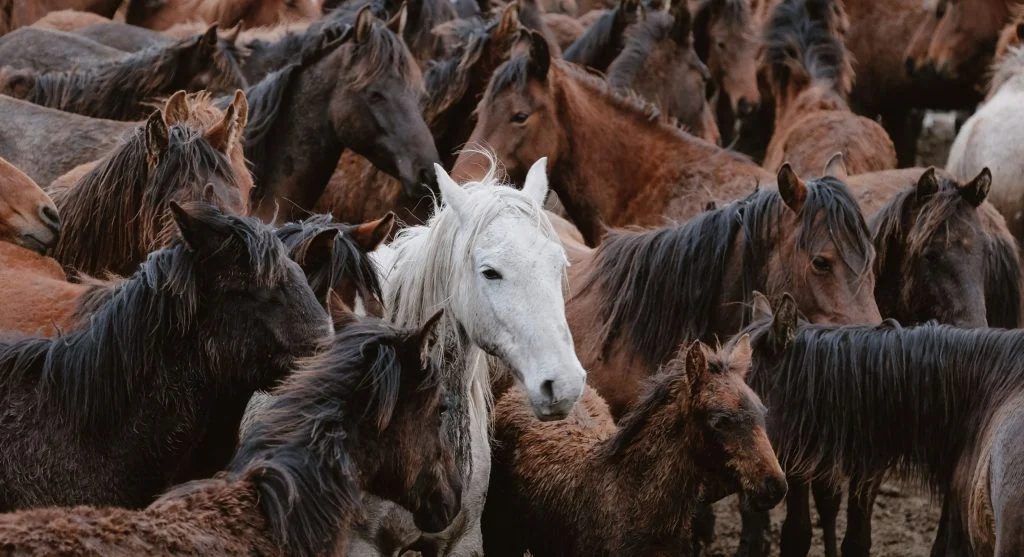
Wildlife experts explain that a typical band often includes several mares, their young offspring, and one dominant stallion.
Group members may stay together for years while building strong social bonds.
These relationships help create organized and stable communities.
More Eyes Mean Better Protection
Predators are easier to spot when several animals are alert.
Researchers explain that horses often take turns watching their surroundings while others graze.
If danger appears, the group can respond quickly.
This shared awareness improves their chances of survival.
Young Foals Benefit From Group Living
Foals face many challenges during their first months of life.
Wildlife specialists explain that living within a band gives them protection and a chance to learn important behaviors.
Young horses watch the adults as they develop movement, feeding, and social skills.
Learning from experienced animals improves their long-term survival.
Communication Helps Maintain Group Unity
Wild horses communicate through body language, facial expressions, vocal sounds, and movement.
Researchers studying wild horse behavior explain that communication helps keep the group coordinated.
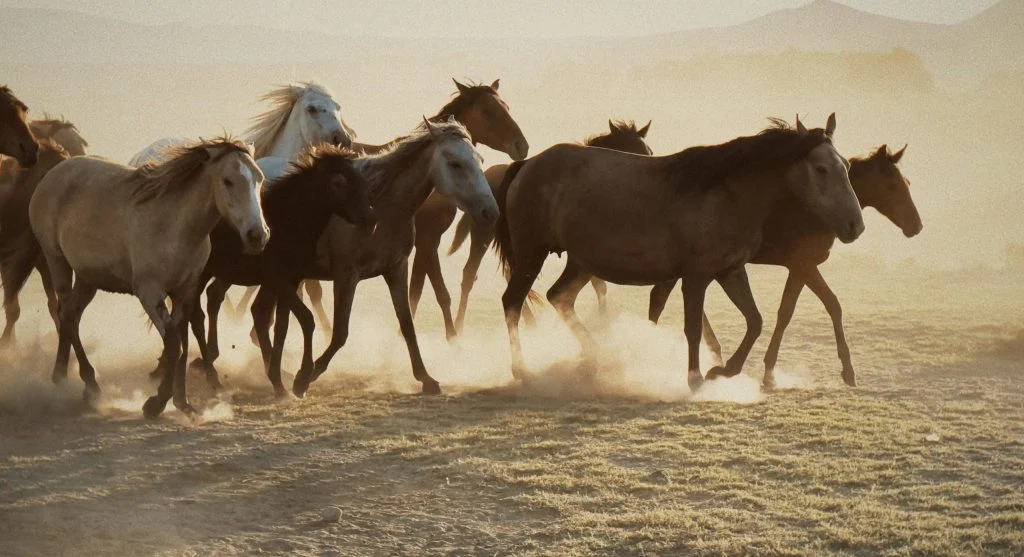
These signals allow band members to stay connected while traveling and feeding.
Frequently Asked Questions
Q: Why do wild horses live in bands?
A: Bands provide protection, social support, and improved survival opportunities.
Q: What is a horse band?
A: A horse band is a social group that typically includes mares, foals, and a stallion.
Q: How do wild horses communicate?
A: They communicate through body language, sounds, and movement.
Q: Do foals benefit from living in groups?
A: Yes. Groups provide protection and learning opportunities.
Q: Why do horse bands travel together?
A: They move together to find food, water, and safe habitat.