Octopuses are some of the most unusual and intelligent animals found in ocean ecosystems. Their problem-solving skills, camouflage abilities, and flexible movement patterns continue fascinating marine researchers around the world.
Scientists studying why octopuses are intelligent have discovered behaviors rarely seen in many other marine animals. From escaping predators to exploring objects and solving challenges, octopuses display remarkable adaptability in underwater environments.
Octopuses Have Highly Developed Nervous Systems
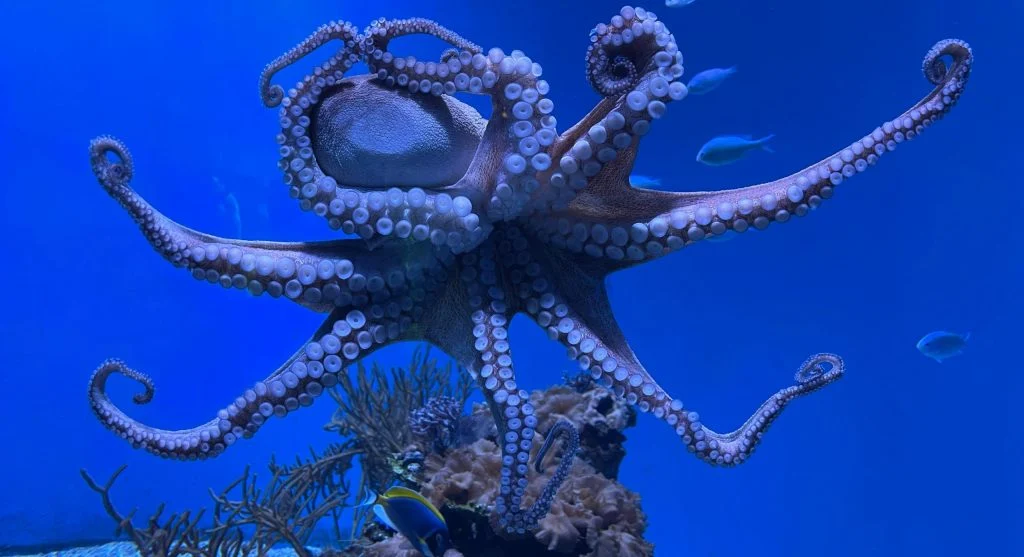
One reason why octopuses are intelligent involves their advanced nervous systems. Marine animal intelligence researchers explain that octopuses contain large numbers of neurons distributed throughout both the brain and arms.
Unlike many animals, octopus arms can process information independently while still coordinating with the central brain.
Wildlife experts studying octopus behavior continue examining how these complex nervous systems support learning and movement underwater.
Credit: Ashley Christiano / Pexels
Problem-Solving Skills Continue Surprising Researchers
Marine researchers have documented octopuses opening containers, escaping enclosures, and manipulating objects while searching for food.
Some studies suggest octopuses can learn through repeated experience and adapt behavior based on environmental conditions.
Experts studying ocean wildlife facts explain that curiosity and exploration may help octopuses survive in complex underwater habitats.
Camouflage Helps Octopuses Avoid Predators
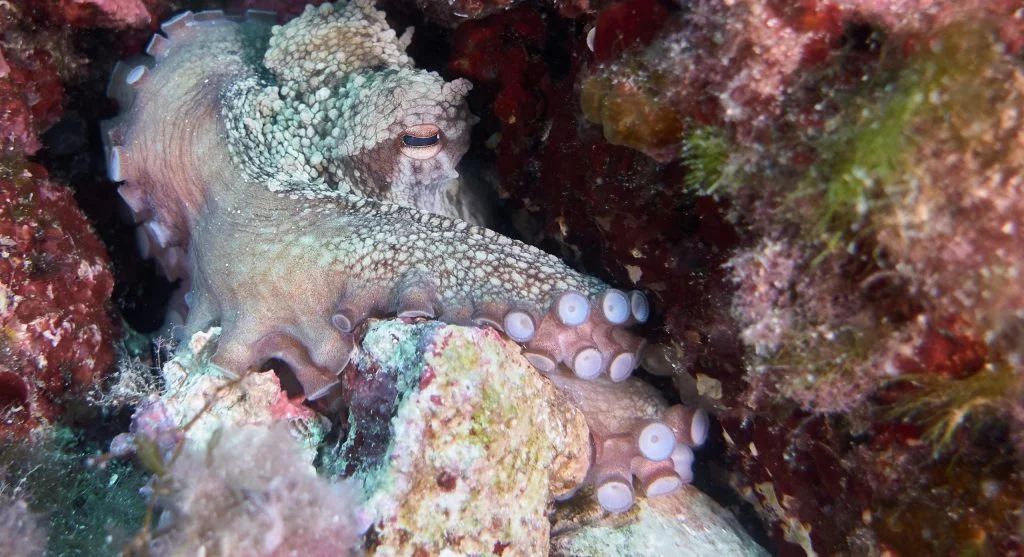
Octopuses are famous for changing color and texture to blend into surroundings. Specialized skin cells allow rapid camouflage changes that help hide from predators.
Marine wildlife specialists explain that some octopuses can match rocks, coral, sand, or seaweed within seconds.
This ability also supports hunting by helping octopuses approach prey without being detected.
Octopuses Use Their Arms in Remarkable Ways
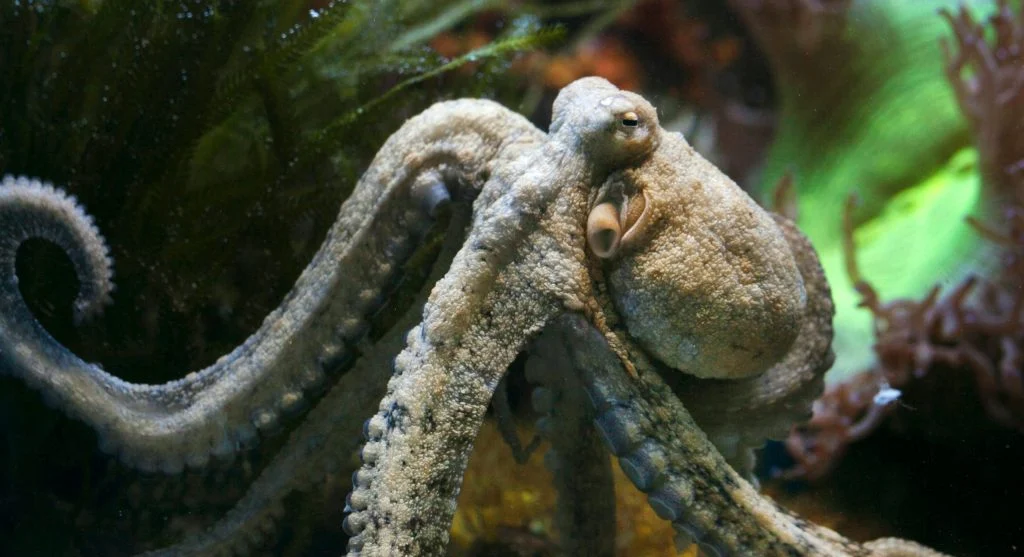
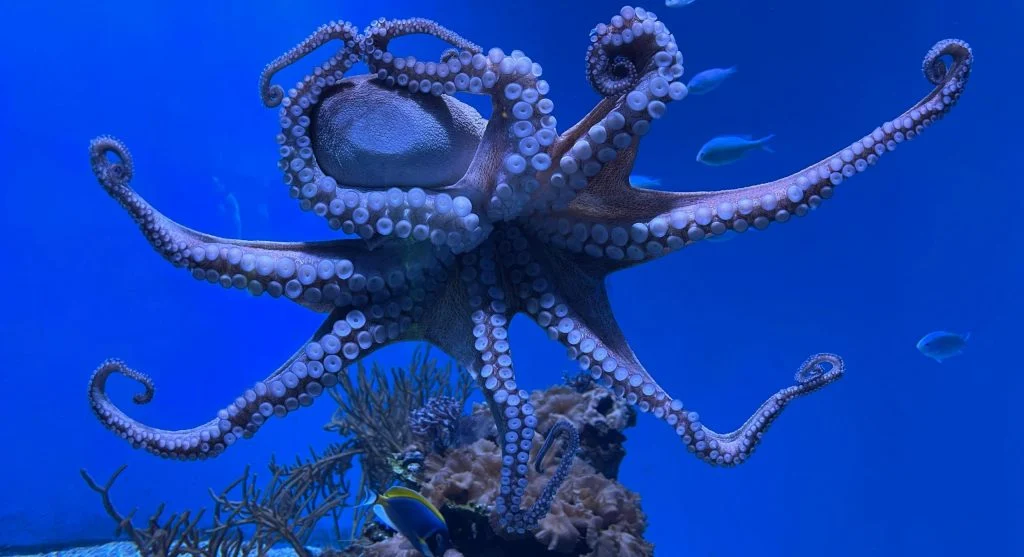
An octopus has eight highly flexible arms covered with sensitive suction cups. These arms help with movement, hunting, exploration, and object handling.
Wildlife researchers studying octopus behavior explain that suction cups can taste and feel surfaces at the same time.
This sensitivity allows octopuses to investigate underwater environments with impressive precision.
Credit: Jeffry Surianto / Pexels
Many Octopuses Prefer Solitary Lifestyles
Unlike dolphins or some fish species, octopuses are generally solitary animals. Most spend large amounts of time alone while hiding in rocky shelters or reef habitats.
Marine researchers explain that octopuses often rely on camouflage and stealth rather than group protection.
Despite solitary behavior, experts continue finding evidence of advanced learning and environmental awareness.
Octopuses Can Escape Through Very Small Spaces
Another surprising ocean wildlife fact involves octopus flexibility. Because octopuses lack bones, many can squeeze through extremely narrow openings.
Wildlife experts explain that the hard beak located at the center of the body is often the only major size limitation.
This flexibility helps octopuses escape predators and reach hidden shelter areas within reef systems.
Environmental Changes May Affect Octopus Habitats
Marine ecosystems continue facing pressure from pollution, warming oceans, habitat damage, and changing food availability.
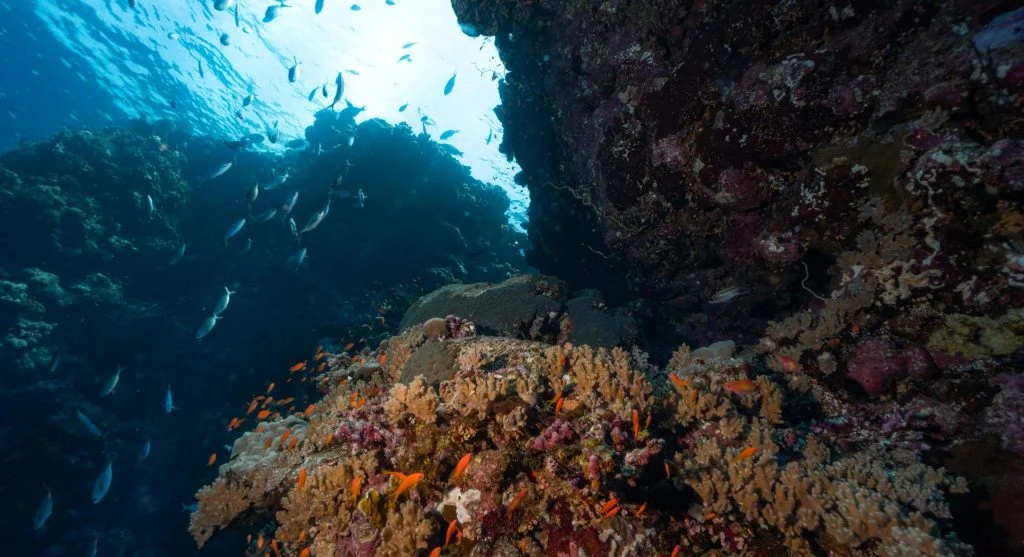
Researchers studying marine animal intelligence explain that healthy coral reefs, rocky coastlines, and underwater ecosystems remain important for octopus survival.
Conservation organizations continue supporting efforts that protect marine biodiversity and ocean habitats worldwide.
Credit: Ashley Christiano / Pexels
Frequently Asked Questions
Q: Why are octopuses considered intelligent?
A: Octopuses show problem-solving abilities, learning behavior, exploration skills, and advanced camouflage adaptations.
Q: Can octopuses change color?
A: Yes. Specialized skin cells allow octopuses to rapidly change color and texture for camouflage.
Q: Do octopuses live alone?
A: Most octopus species are solitary and spend much of their time hidden in shelters or reef habitats.
Q: Why are octopus arms unique?
A: Octopus arms are highly flexible and contain sensitive suction cups that help with movement and exploration.
Q: What threatens octopus habitats?
A: Pollution, habitat destruction, warming oceans, and environmental changes can affect marine ecosystems used by octopuses.
Key Takeaway
Understanding why octopuses are intelligent helps reveal how remarkable these marine animals truly are. Their advanced nervous systems, camouflage abilities, problem-solving skills, and flexible movement patterns continue fascinating marine researchers worldwide. Conservation experts also emphasize the importance of protecting healthy ocean habitats that support octopus populations and marine biodiversity.