Hummingbirds are among the smallest birds in the world, but they possess some of the most extraordinary flying abilities found in nature. Unlike most bird species, hummingbirds can hover in place, fly backward, move sideways, and rapidly change direction while remaining airborne.
Researchers studying how hummingbirds fly backward explain that specialized wing movement, powerful muscles, and lightweight body design allow these birds to perform aerial maneuvers that few other birds can match.
Hummingbird Wings Move Differently From Most Birds
One major reason hummingbirds can fly backward involves their unique wing structure.
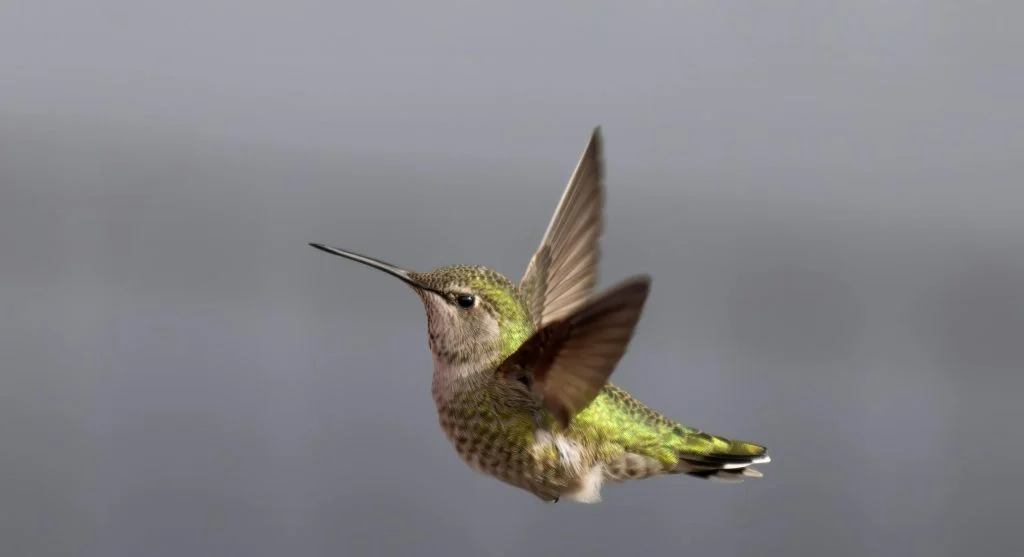
Wildlife experts explain that hummingbird wings rotate in a figure-eight pattern rather than relying mainly on downward wingbeats.
This movement creates lift during both forward and backward motion.
Hovering Requires Incredible Energy
Hovering in one position requires constant wing movement.
Researchers explain that some hummingbirds may beat their wings dozens of times every second while feeding.
This makes hummingbirds among the most energetic birds in the animal kingdom.
Special Flight Muscles Power Rapid Movement
Wildlife researchers explain that a large portion of a hummingbird’s body consists of flight muscles.
These muscles generate the power needed for hovering, climbing, turning, and backward flight.
Muscle efficiency plays a major role in aerial performance.
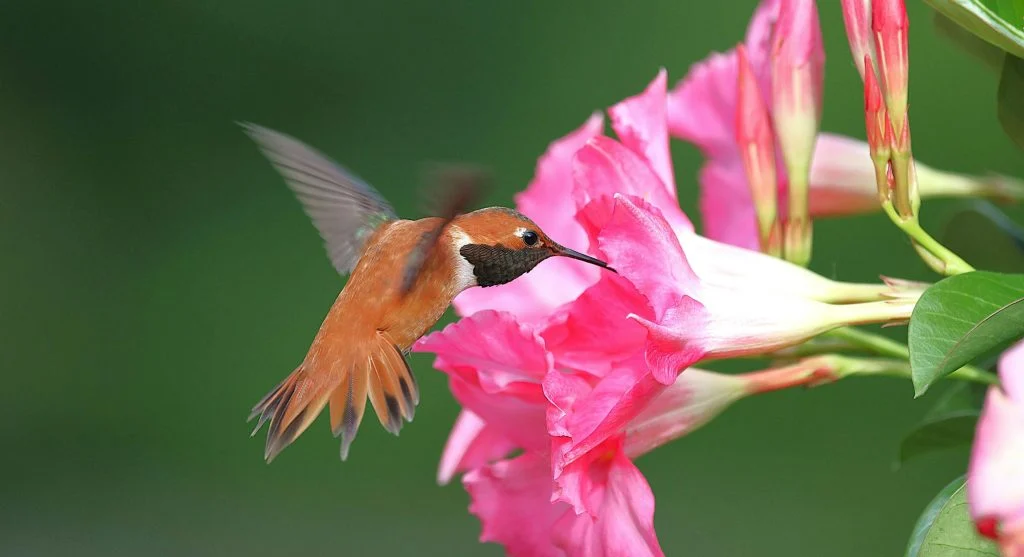
Long Beaks Help Access Flower Nectar
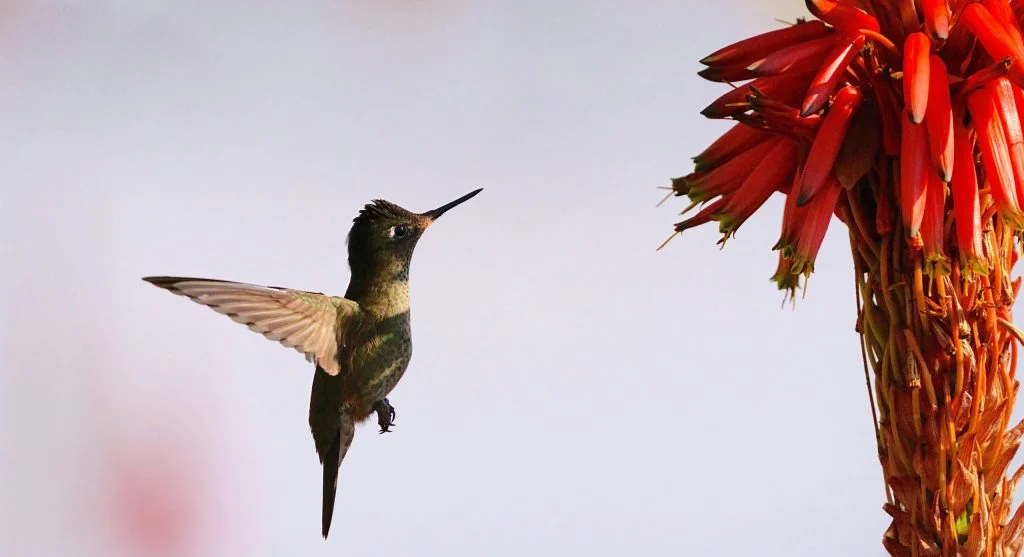
Hummingbirds primarily feed on nectar produced by flowering plants.
Their hovering ability allows them to remain stationary while reaching deep into flowers.
This feeding strategy benefits both birds and flowering plants.
Many Hummingbirds Complete Long Migrations
Although small, some hummingbird species travel impressive distances during seasonal migration.
Researchers studying bird migration explain that these journeys may cover hundreds or even thousands of miles.
Migration helps birds access favorable food sources throughout the year.
Colorful Feathers Often Create Iridescent Effects
Many hummingbirds appear brightly colored because feather structures reflect light in unique ways.
Wildlife experts explain that feather color may appear to change depending on viewing angle and sunlight.
Iridescence is common among many hummingbird species.
Habitat Protection Supports Hummingbird Populations
Flower-rich habitats, forests, gardens, and natural landscapes help support hummingbird populations.
Researchers continue studying how hummingbirds fly backward while monitoring bird populations and habitat health.
Conservation organizations emphasize the importance of protecting pollinator-friendly ecosystems and biodiversity.
Frequently Asked Questions
Q: Can hummingbirds really fly backward?
A: Yes. Hummingbirds are among the few birds capable of true backward flight.
Q: Why can hummingbirds hover?
A: Specialized wing movement creates lift while remaining in one position.
Q: How fast do hummingbird wings move?
A: Depending on species, wings may beat dozens of times per second.
Q: What do hummingbirds eat?
A: Hummingbirds mainly consume nectar and small insects.
Q: Why are hummingbirds important?
A: Hummingbirds help pollinate many flowering plants.
Key Takeaway
Hummingbirds possess some of the most advanced flight abilities found in nature. Their unique wing structure, powerful muscles, and specialized feeding behavior allow them to hover, fly backward, and perform remarkable aerial maneuvers. Researchers continue studying these fascinating birds while conservation efforts focus on protecting the flowering habitats they depend on for survival.