Flying fish are unusual marine animals known for their ability to launch from the ocean and glide above the water surface for surprising distances. These fish are commonly found in warm tropical and subtropical oceans where open water environments expose them to fast-moving predators.
Marine researchers studying how flying fish glide explain that specialized body structure, rapid swimming speed, and enlarged fins help these fish escape danger by temporarily leaving the water. This remarkable survival adaptation has fascinated scientists and ocean travelers for generations.
Flying Fish Do Not Truly Fly Like Birds
One important fact about how flying fish glide is that they are not true fliers. Wildlife experts explain that flying fish use speed and momentum to launch themselves from the ocean surface.
Once airborne, they spread large wing-like fins to glide through the air.
Marine wildlife adaptations often develop around survival needs rather than permanent flight ability.
Powerful Tail Movement Creates Launch Speed
Marine researchers explain that flying fish rapidly move their tails underwater before breaking through the surface.
This strong acceleration creates enough speed for short airborne glides.
Some species may glide for impressive distances before returning to the ocean.
Large Fins Help Support Gliding
Flying fish possess unusually large pectoral fins compared with many other fish species.
Wildlife experts explain that these fins help create lift while moving through the air.
Fin shape plays an important role in glide stability and direction control.
Predator Avoidance Is the Main Purpose
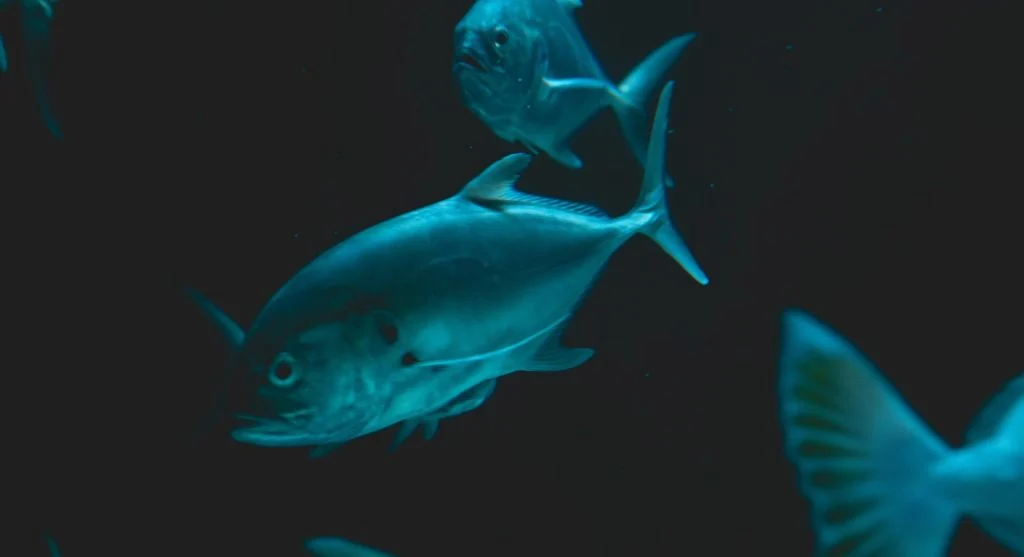
Tuna, dolphins, mahi-mahi, and larger predatory fish may hunt smaller fish in open ocean habitats.
Researchers studying flying fish survival behavior explain that gliding helps create temporary escape opportunities.
Leaving the water may confuse underwater predators during fast chases.
Warm Oceans Support Flying Fish Populations
Flying fish are commonly found in warmer marine regions where ocean currents support active marine food chains.
Marine specialists explain that healthy ocean ecosystems remain important for biodiversity and predator-prey balance.
Open ocean habitats support many fast-moving marine species.
Flying Fish Sometimes Attract Seabirds
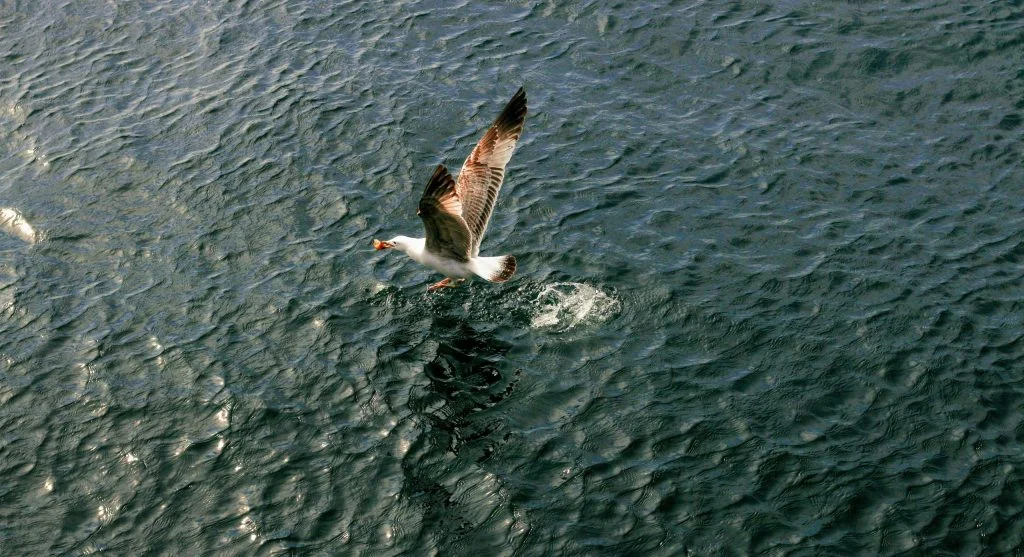
While gliding may help avoid underwater predators, airborne fish may still face threats from seabirds.
Wildlife experts explain that survival strategies often involve balancing multiple environmental risks.
Ocean ecosystems contain highly competitive food chains.
Marine Conservation Helps Protect Ocean Biodiversity
Pollution, overfishing, and environmental changes may affect marine ecosystems and biodiversity worldwide.
Researchers studying how flying fish glide continue monitoring ocean habitats and wildlife population health.
Conservation organizations emphasize the importance of protecting marine ecosystems and maintaining biodiversity across global oceans.
Frequently Asked Questions
Q: How do flying fish glide above the ocean?
A: Flying fish launch from the water using speed and spread large fins to glide.
Q: Why do flying fish leave the water?
A: Flying fish glide mainly to escape underwater predators.
Q: Can flying fish truly fly?
A: No. Flying fish glide through the air rather than actively fly like birds.
Q: Where do flying fish live?
A: Flying fish commonly inhabit warm tropical and subtropical oceans.
Q: What threatens marine ecosystems?
A: Pollution, environmental changes, and overfishing may affect ocean biodiversity.
Key Takeaway
Understanding how flying fish glide highlights the remarkable survival adaptations found within ocean ecosystems. Rapid swimming speed, specialized fins, and airborne gliding behavior all help these fish escape predators in open marine habitats. Marine researchers and conservation organizations continue emphasizing the importance of protecting ocean biodiversity and maintaining healthy ecosystems for marine wildlife worldwide.