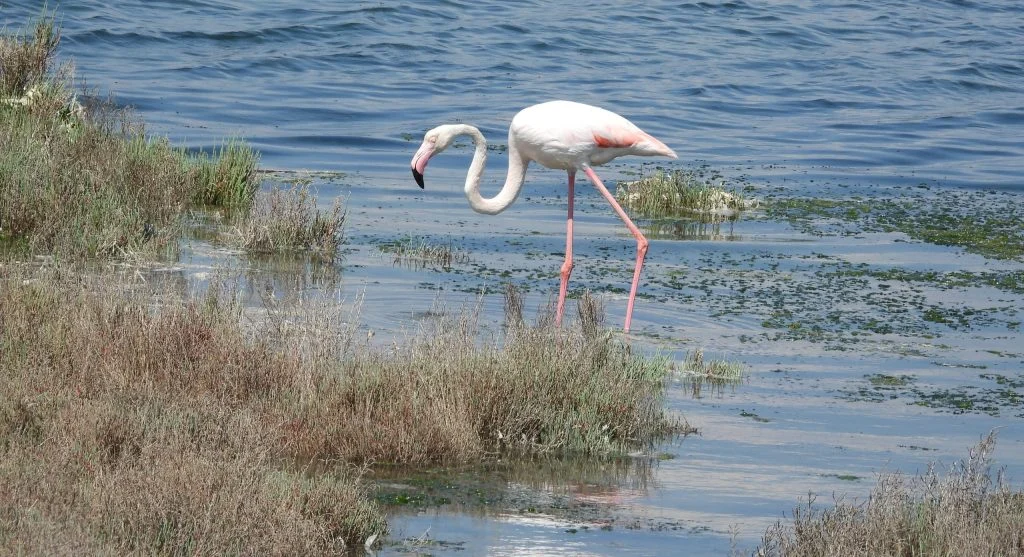
Flamingos are among the most recognizable birds living in wetlands, coastal lagoons, salt lakes, and shallow freshwater habitats around the world. Their bright feathers, long legs, and large social groups make them easy to identify across many ecosystems.
Researchers studying why flamingos stand on one leg explain that this unusual posture may help conserve body heat, reduce muscle fatigue, and improve balance while resting in shallow water. Flamingo behavior continues to interest wildlife scientists studying bird adaptation and wetland ecosystems.
Standing on One Leg May Reduce Heat Loss
One major explanation for why flamingos stand on one leg involves temperature regulation. Wildlife experts explain that water can pull heat away from the body faster than air.
Keeping one leg tucked close to the body may help reduce heat loss.
Wetland bird adaptations often support energy conservation in changing environments.
Flamingos Can Balance With Little Effort
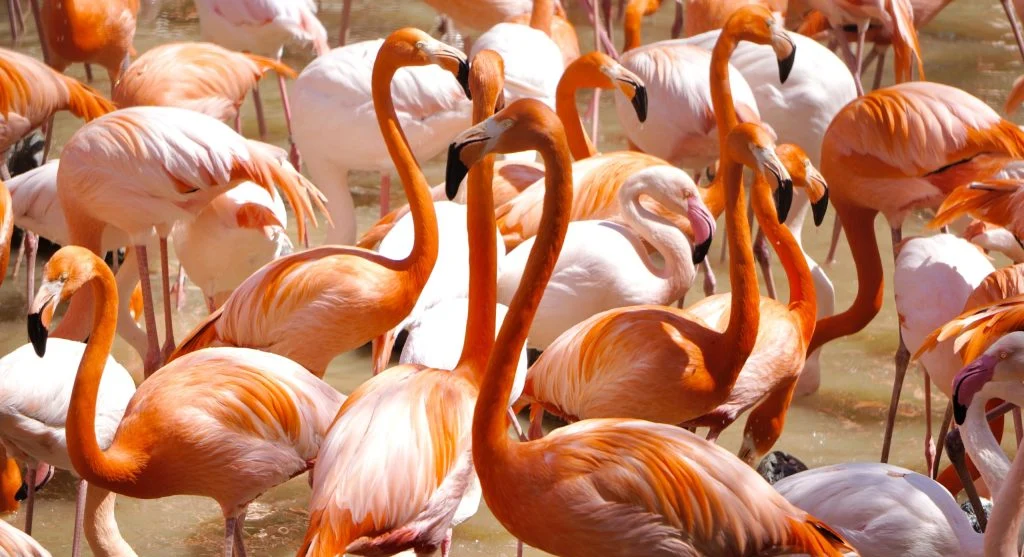
Researchers studying flamingo behavior facts explain that flamingos possess specialized leg joints that help support stable balance.
Standing on one leg may require less muscular effort than many people expect.
Bird anatomy often reflects highly efficient adaptation.
Large Groups Help Flamingos Stay Safer
Flamingos commonly gather in large colonies containing hundreds or even thousands of birds.
Wildlife experts explain that group living may improve predator awareness and breeding success.
Social behavior remains important for many migratory water birds.
Flamingos Feed in Shallow Water Habitats
Flamingos use specially shaped beaks to filter tiny organisms, algae, and small aquatic life from water.
Researchers explain that wetlands provide essential feeding opportunities for these birds.
Healthy freshwater ecosystems support many interconnected wildlife species.
Feather Color Comes From Diet
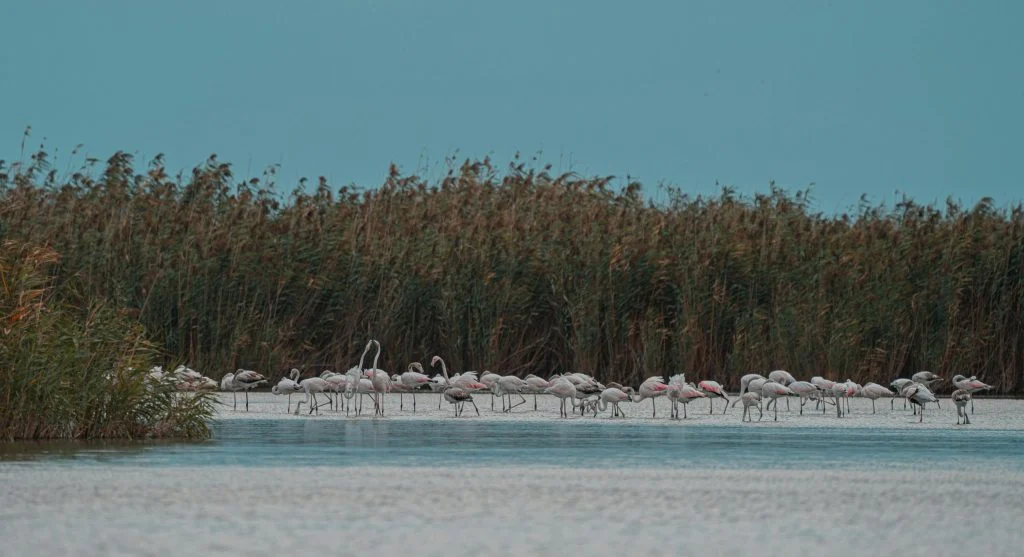
Young flamingos are usually born with gray or pale feathers rather than bright pink coloration.
Wildlife researchers explain that pigments from food sources gradually influence feather color over time.
Diet often affects appearance in wildlife species.
Wetlands Support Migratory Bird Populations
Many flamingo populations depend on wetlands for nesting, feeding, and seasonal movement.
Wildlife specialists explain that wetlands also support fish, amphibians, insects, and other bird species.
Biodiversity often depends on healthy freshwater ecosystems.
Conservation Efforts Help Protect Wetland Habitats
Pollution, habitat loss, and environmental changes may affect wetland ecosystems and migratory bird populations.
Researchers studying why flamingos stand on one leg continue monitoring habitat conditions and wildlife biodiversity worldwide.
Conservation organizations emphasize the importance of protecting wetlands and maintaining healthy ecosystems for bird populations.
Frequently Asked Questions
Q: Why do flamingos stand on one leg?
A: Standing on one leg may help reduce heat loss and conserve energy.
Q: Do flamingos lose balance easily?
A: No. Flamingos possess specialized joints that help stable balancing.
Q: What do flamingos eat?
A: Flamingos feed on algae, tiny aquatic organisms, and small invertebrates.
Q: Why are flamingos pink?
A: Pigments from food sources gradually influence flamingo feather color.
Q: Why are wetlands important for flamingos?
A: Wetlands provide feeding, nesting, and resting habitats for flamingos.
Key Takeaway
Understanding why flamingos stand on one leg highlights the remarkable behavioral adaptations birds develop for survival in wetland environments. Heat conservation, efficient balance, feeding behavior, and social living all contribute to flamingo success within freshwater ecosystems. Wildlife researchers and conservation organizations continue emphasizing the importance of protecting wetlands and supporting biodiversity for migratory bird populations worldwide.