Raccoons are highly adaptable mammals commonly found in forests, wetlands, and river habitats across North America. In recent decades, however, raccoons have increasingly become familiar residents of towns and cities where food, shelter, and water are often easy to find.
Researchers studying why raccoons live in cities explain that intelligence, flexible diets, and problem-solving ability help these animals survive successfully in urban environments. City ecosystems now support growing populations of adaptable wildlife species.
Urban Areas Provide Reliable Food Sources
One major reason why raccoons live in cities involves food availability. Wildlife experts explain that raccoons can eat fruits, insects, eggs, small animals, and leftover human food.
Trash containers, gardens, and outdoor pet food may attract raccoons into neighborhoods.
Flexible feeding behavior helps many urban wildlife species survive.

Raccoons Are Skilled Problem Solvers
Researchers studying raccoon adaptation facts explain that raccoons possess strong memory and problem-solving abilities.
They can open containers, climb fences, and explore narrow spaces while searching for shelter or food.
Intelligence often improves survival opportunities in changing environments.
Nighttime Activity Helps Avoid Human Interaction
Raccoons are primarily nocturnal animals, meaning they remain most active after sunset.
Wildlife experts explain that nighttime movement may help reduce encounters with humans and daytime activity.
Nocturnal behavior remains common among many urban wildlife species.
City Structures Can Provide Shelter
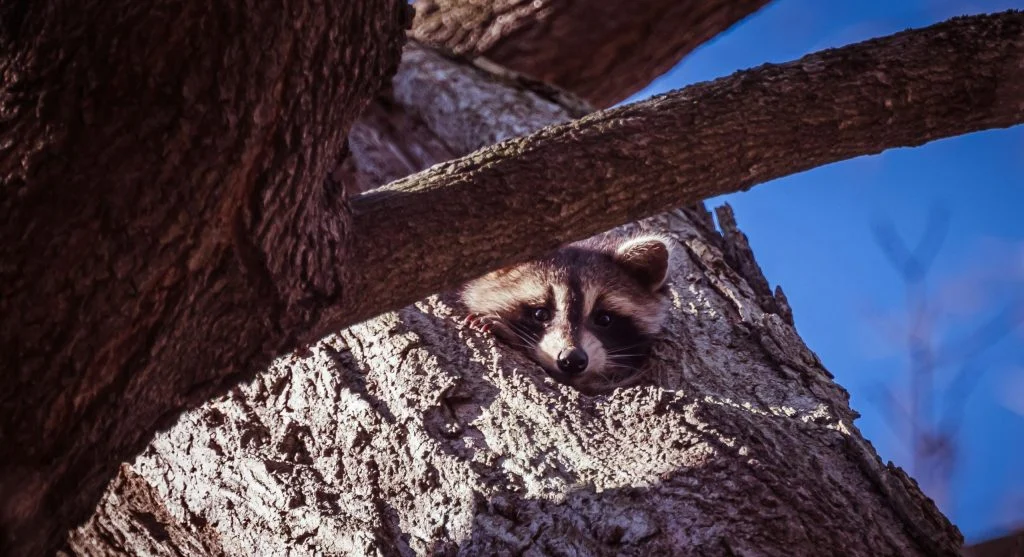
Attics, storm drains, abandoned buildings, trees, and sheds may become temporary shelter areas for raccoons.
Researchers explain that urban environments often contain many hidden resting places.
Safe shelter remains essential for wildlife survival.
Raccoons Use Sensitive Front Paws
Raccoons possess highly sensitive front paws capable of examining objects and surfaces carefully.
Wildlife specialists explain that touch sensitivity helps raccoons locate food and manipulate objects effectively.
Physical adaptation often supports urban survival success.
Urban Wildlife Continues Expanding Worldwide
Foxes, coyotes, raccoons, birds, and other animals increasingly appear in urban environments around the world.
Researchers studying urban wildlife behavior explain that some species adapt quickly to changing landscapes and human development.
City ecosystems continue evolving alongside wildlife populations.
Conservation and Awareness Remain Important
Wildlife experts encourage maintaining healthy boundaries between people and wild animals while protecting natural habitats.
Researchers studying why raccoons live in cities continue monitoring urban biodiversity and ecosystem conditions.
Healthy ecosystems inside and outside cities remain important for long-term wildlife balance.

Frequently Asked Questions
Q: Why do raccoons live in cities?
A: Cities provide food, shelter, and safe hiding places for raccoons.
Q: Are raccoons active during the day?
A: Raccoons are mainly nocturnal and most active at night.
Q: Why are raccoons considered intelligent?
A: Raccoons possess strong memory and problem-solving abilities.
Q: What do raccoons eat in urban areas?
A: Raccoons eat fruits, insects, leftovers, and many other available foods.
Q: Why is urban wildlife increasing?
A: Some species adapt successfully to changing environments and city ecosystems.
Key Takeaway
Understanding why raccoons live in cities highlights the remarkable adaptability of wildlife living alongside human development. Flexible diets, intelligence, climbing ability, and nocturnal behavior all help raccoons survive successfully in urban ecosystems. Researchers continue studying urban wildlife behavior while conservation organizations emphasize the importance of maintaining balanced ecosystems both inside and outside growing cities.