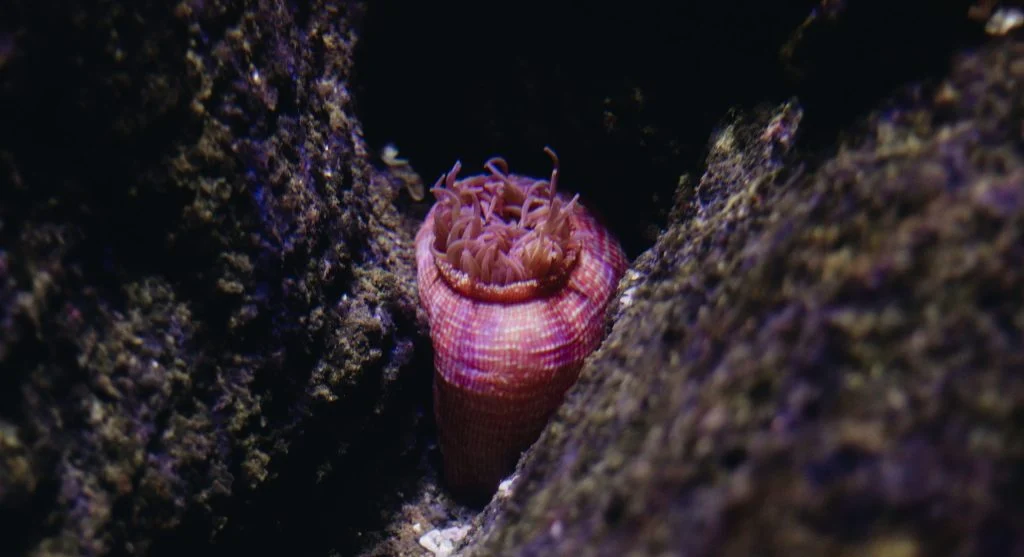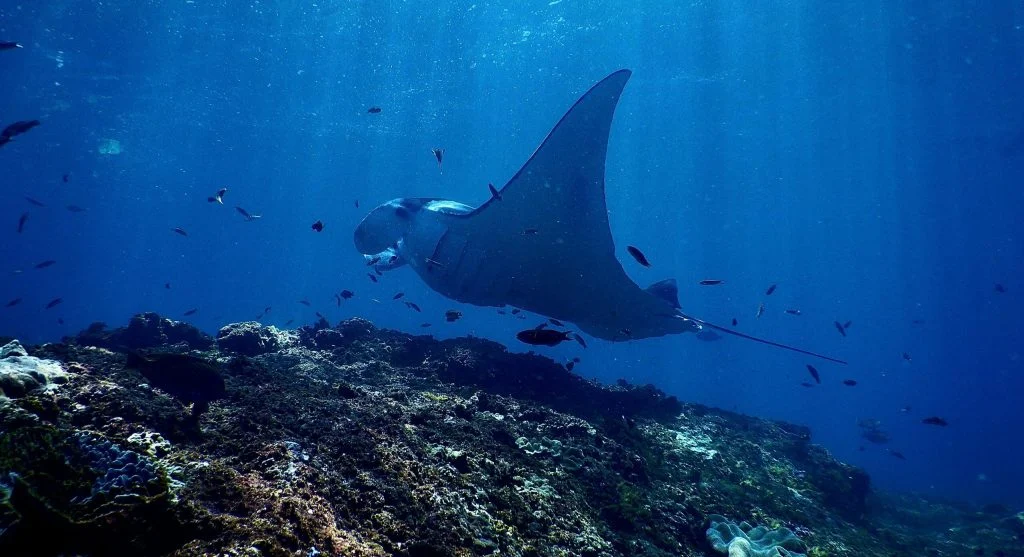
Coral reefs are among the most diverse ecosystems on Earth, supporting thousands of marine species ranging from tiny invertebrates to large fish and sea turtles. However, some reef systems have faced environmental challenges from pollution, storms, habitat damage, and changing ocean conditions.
Researchers studying artificial coral reefs explain that specially designed underwater structures can help create new habitats for marine life. While artificial reefs do not replace natural reefs, they may support biodiversity and provide additional shelter for ocean wildlife.
What Are Artificial Coral Reefs?
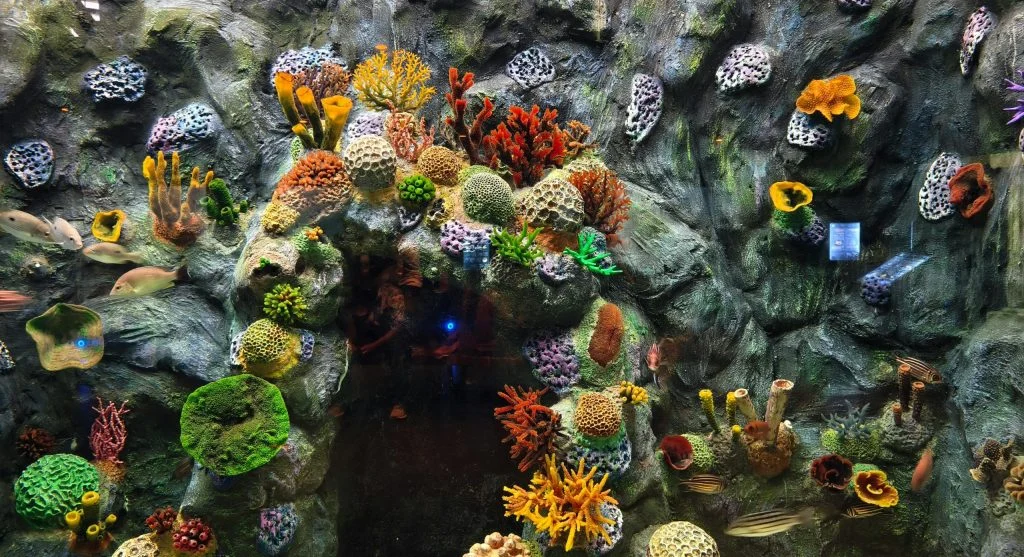
Artificial reefs are human-made structures placed underwater to encourage marine life growth and habitat development.
Marine experts explain that these structures may be built from specially designed concrete modules, reef blocks, or other environmentally approved materials.
The goal is to create surfaces where marine organisms can settle and grow.
Marine Species Quickly Explore New Habitats
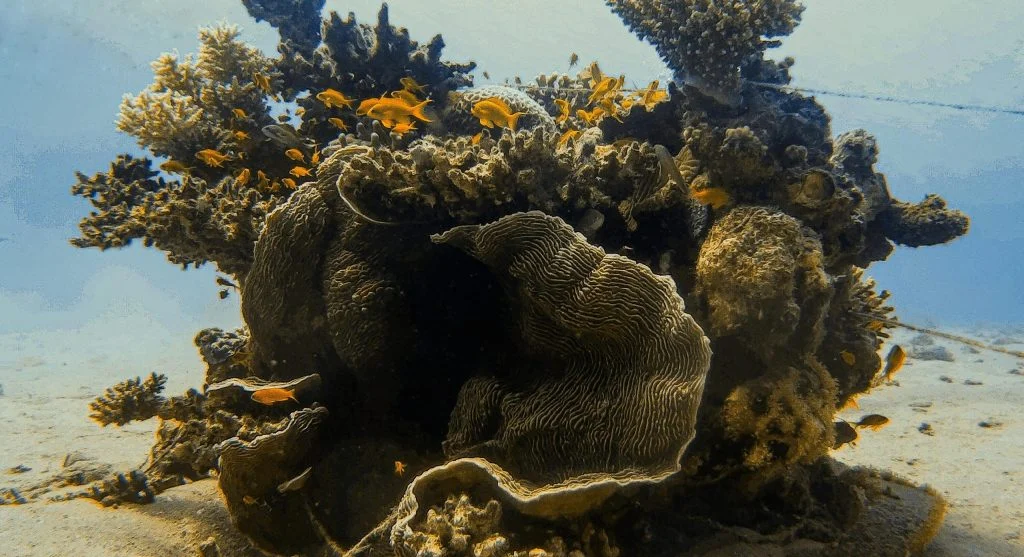
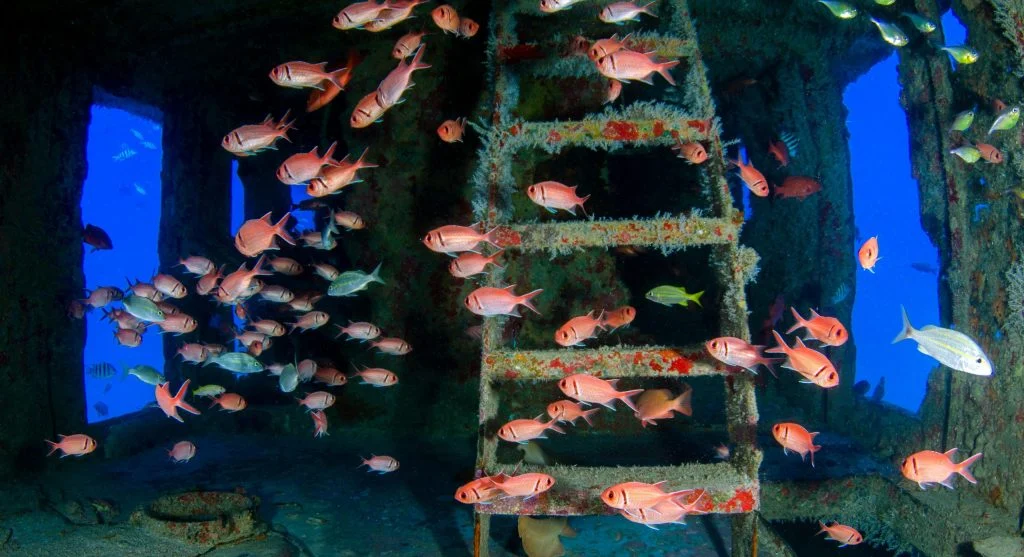
Researchers often observe fish, crabs, shrimp, and other marine animals visiting new reef structures shortly after installation.
Wildlife experts explain that shelter opportunities attract species searching for protection from predators.
Habitat availability plays a major role in marine biodiversity.
Corals and Other Organisms Can Attach to Reef Surfaces
Over time, algae, sponges, corals, and other organisms may begin growing on suitable reef structures.
Scientists studying coral reef recovery explain that these communities can gradually become more complex.
Healthy marine ecosystems often develop through long-term ecological processes.
Artificial Reefs May Help Reduce Habitat Pressure
In some regions, artificial reefs provide additional habitat where natural reef space is limited.
Researchers explain that expanding habitat opportunities may benefit local marine populations.
Habitat restoration remains an important part of conservation planning.
Scientists Monitor Reef Growth Carefully
Marine conservation projects often include long-term monitoring programs.
Researchers track fish populations, coral growth, biodiversity levels, and ecosystem changes around artificial reefs.
Scientific monitoring helps improve future habitat restoration projects.
Artificial Reefs Are Used Around the World
Many coastal regions have explored artificial reef projects to support marine conservation goals.
Wildlife experts explain that project design depends on local ecosystems, environmental conditions, and conservation objectives.
Every marine habitat requires careful planning and evaluation.
Protecting Natural Reefs Remains Essential
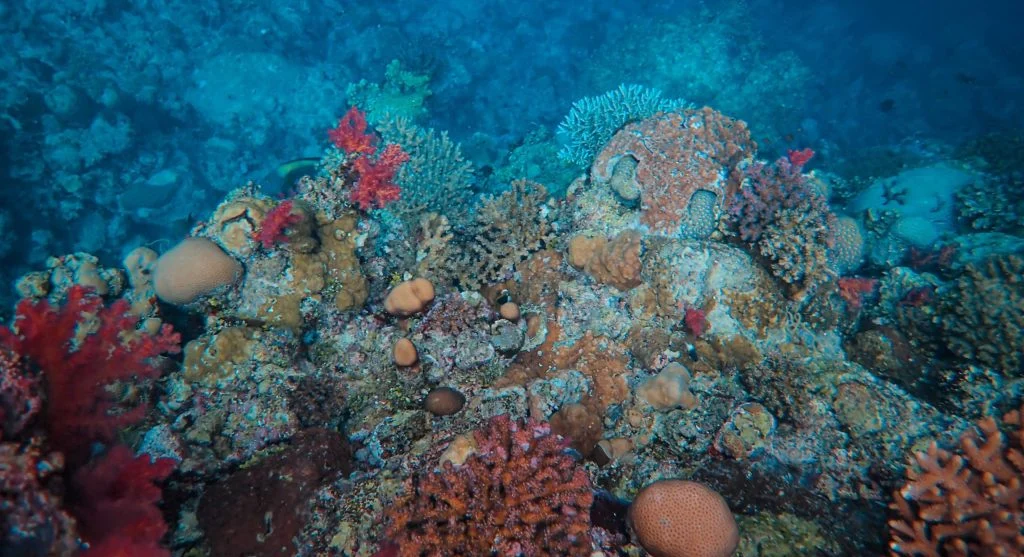
Researchers emphasize that artificial reefs complement conservation efforts but cannot fully replace natural coral reef ecosystems.
Protecting existing reefs remains one of the most important goals for marine conservation worldwide.
Healthy oceans depend on strong biodiversity and functioning habitats.
Frequently Asked Questions
Q: What is an artificial coral reef?
A: It is a human-made underwater structure designed to support marine habitat development.
Q: Do fish use artificial reefs?
A: Yes. Many marine species use artificial reefs for shelter and protection.
Q: Can corals grow on artificial reefs?
A: In suitable conditions, corals and other marine organisms may attach and grow.
Q: Do artificial reefs replace natural reefs?
A: No. Artificial reefs support conservation efforts but cannot fully replace natural ecosystems.
Q: Why are coral reefs important?
A: Coral reefs support biodiversity and provide habitat for thousands of marine species.
Key Takeaway
Artificial coral reefs are becoming valuable tools in marine conservation and habitat restoration projects. By creating new underwater structures that support fish, corals, and other marine organisms, these projects can help strengthen biodiversity and ecosystem resilience. Researchers continue studying artificial reefs while emphasizing that protecting natural coral reef ecosystems remains essential for the future of ocean wildlife.